
A junior financial expert at Rineplex examines how merger and acquisition activity surged in December as buyers capitalized on market volatility. Multiple sectors saw consolidation acceleration with technology, healthcare, and industrial deals dominating headlines.
Strategic Rationale Shifts
Corporate buyers prioritized capability acquisition over scale. Technology companies sought artificial intelligence expertise through targeted purchases rather than internal development. Speed-to-market considerations justified premium valuations for specialized assets.
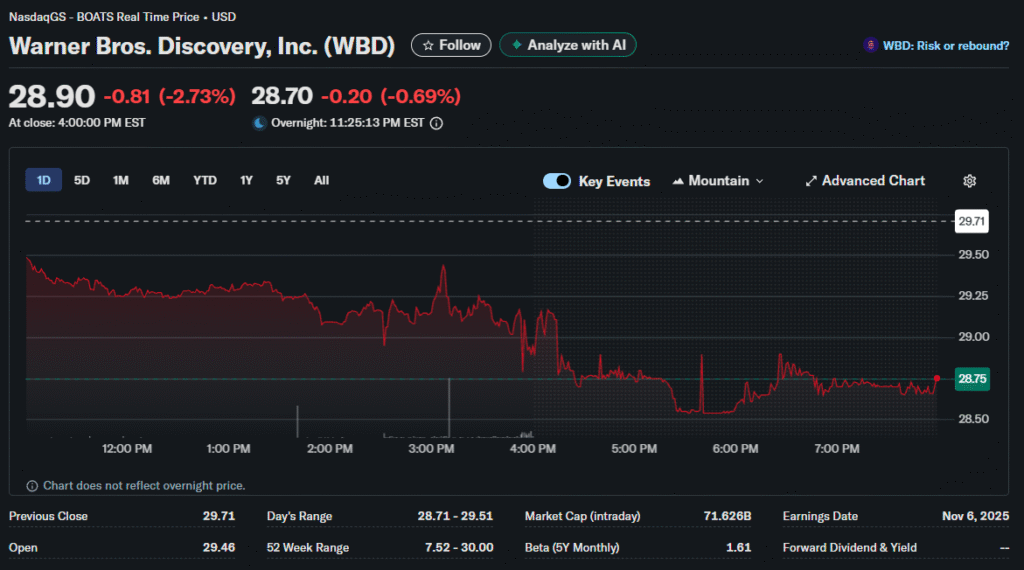
The Netflix-Warner Bros Discovery merger discussions exemplified media consolidation trends. Streaming platforms pursued content libraries and production capacity. Scale economics became essential for competing against tech giants entering the entertainment industry.
However, regulatory scrutiny intensified. Antitrust authorities extended review timelines significantly. Deal certainty declined as breakup risks increased. Buyers demanded material adverse change clauses and reverse termination fees for protection.
Private Equity Deployment
Record dry powder levels forced private equity firms into action. $2.5 trillion in uninvested capital sought opportunities amid public market dislocations. Take-private transactions target quality companies trading below intrinsic values.
Software businesses attracted particular interest. Recurring revenue models and high margins fit buyout templates perfectly. Operational improvements through cost rationalization promised attractive returns despite elevated purchase prices.
Financial engineering assumptions grew aggressive. Leverage multiples climbed as lenders competed for deals. However, many trading experts warn that rising interest rates compressed returns, requiring operational excellence for value creation.

Cross-Border Complexities
International deals faced heightened geopolitical scrutiny. National security reviews expanded beyond traditional defense sectors. Technology transfer concerns blocked transactions involving sensitive intellectual property.
Currency volatility complicated valuation negotiations. Dollar strength made US targets expensive for foreign buyers. Conversely, American acquirers found European and Asian assets relatively cheap.
Tax considerations drove deal structuring decisions. Corporate inversions faced political opposition, but economic logic persisted. Domicile optimization remained a priority for tax-sensitive industries.
Sector Consolidation Waves
Healthcare saw hospital systems merging for scale efficiencies. Regional consolidation created local powerhouses with enhanced payer negotiating leverage. However, antitrust challenges emerged in concentrated markets.
Industrial distribution companies pursued bolt-on acquisitions aggressively. Fragmented markets offered consolidation opportunities. Family-owned businesses sought succession planning through strategic sales.
Financial services witnessed branch acquisitions as digital transformation progressed. Physical footprint optimization combined with technology platform investments. Regulatory capital requirements influenced bank M&A economics significantly.
Valuation Methodologies
Discounted cash flow models struggled amid economic uncertainty. Multiple-based valuations regained prominence despite cyclical distortions. Comparable transaction premiums provided anchoring for negotiations.
Earnout provisions addressed valuation gaps between buyers and sellers. Performance-based consideration aligned incentives while managing risk. However, earnout disputes complicated post-close integration.
Market-check requirements created competitive tension. Go-shop provisions became standard in private equity deals. This increased seller confidence while raising buyer costs through topping bid risks.
Integration Challenges
Post-merger integration success rates historically remained disappointing. Cultural mismatches destroyed anticipated synergies frequently. Leadership retention proved critical for maintaining business momentum.
Technology system consolidation created unexpected costs and delays. Legacy infrastructure incompatibilities required expensive workarounds. Cloud migration strategies complicated merger timelines significantly.
Customer retention during transitions challenges these. Competitors targeted and acquired customer bases aggressively. Revenue synergy assumptions often proved optimistic relative to realized results.
Financing Dynamics
Investment-grade bonds provided acquisition financing for large strategic buyers. Attractive coupon rates despite recent Fed hikes made debt financing economical. However, credit rating implications limited leverage appetites.
High-yield markets opened selectively for private equity buyouts. Covenant-lite structures favored sponsors despite lender concerns. Refinancing walls building in 2026-2027 created urgency for opportunistic transactions now.
Bridge financing costs increased as traditional lenders pulled back. Direct lending funds filled gaps with creative structures. However, expensive bridge-to-bond execution risks emerged if capital markets deteriorated.
Shareholder Activism Catalyst
Activist investors pushed management teams toward strategic alternatives. Undervalued assets attracted campaigns demanding sales or breakups. Proxy contests forced boards into transaction discussions.
Sum-of-parts valuations exceeded trading multiples for diversified conglomerates. Spin-off transactions unlocked value through pure-play premiums. However, execution complexity and stranded costs challenged separation economics.
Management incentive alignment shifted toward transaction bonuses. Golden parachutes protected executives during control changes. Shareholder advisors scrutinized compensation packages increasingly carefully.
Regulatory Evolution
Hart-Scott-Rodino filing thresholds are adjusted annually. Timing requirements extended as government resources strained. Second requests became more common, delaying closings significantly.
Foreign Investment Committee reviews expanded jurisdiction. Technology and infrastructure deals faced particular scrutiny. Mitigation agreements requiring operational restrictions became standard closing conditions.
State attorneys general increasingly challenged deals independently. California and New York led aggressive enforcement. Multi-jurisdictional approvals created complex coordination requirements.
Market Outlook
Deal volume is likely to sustain through 2026, given fundamental drivers. Corporations sitting on cash sought growth through acquisition. Private equity’s deployment pressure continued unabated.
However, valuation expectations needed to be calibrated. Sellers anchored on peak multiples while buyers demanded recession discounts. Bid-ask spreads are widening, requiring motivated parties to close gaps through creative structuring.
The M&A environment favored sophisticated buyers with operational expertise. Financial engineering alone couldn’t generate returns. Value creation required a genuine strategic rationale and flawless execution in post-merger integration phases.


