
A senior financial analyst at Marbrisse walks through the dual economic shock that sent markets reeling on Friday. The S&P 500 fell 1.3%, while crude oil jumped above $90 per barrel for the first time since 2023.
February’s jobs report delivered a gut punch nobody saw coming. Employers cut 92,000 jobs last month compared to expectations for 56,000 additions. The unemployment rate climbed to 4.4% as the labor participation rate dropped half a%age point to 62.0%.
That’s the lowest workforce participation since 2021. Hourly wages rose 0.4% in February and 3.8% year-over-year. But those gains mean nothing when people lose their jobs outright.
Oil’s War Premium
West Texas Intermediate crude surged 12.2% to settle at $90.90 per barrel on Friday. Brent crude jumped 8.5% to $92.69. The week delivered a 35% gain for WTI, marking the largest weekly increase since oil futures trading began in 1983.
The Iran conflict closed the Strait of Hormuz to tanker traffic. Qatar’s Energy Minister warned Persian Gulf exporters will shut down production “within days” if the situation continues. The US president demanded Iran’s “unconditional surrender” and ruled out negotiations.
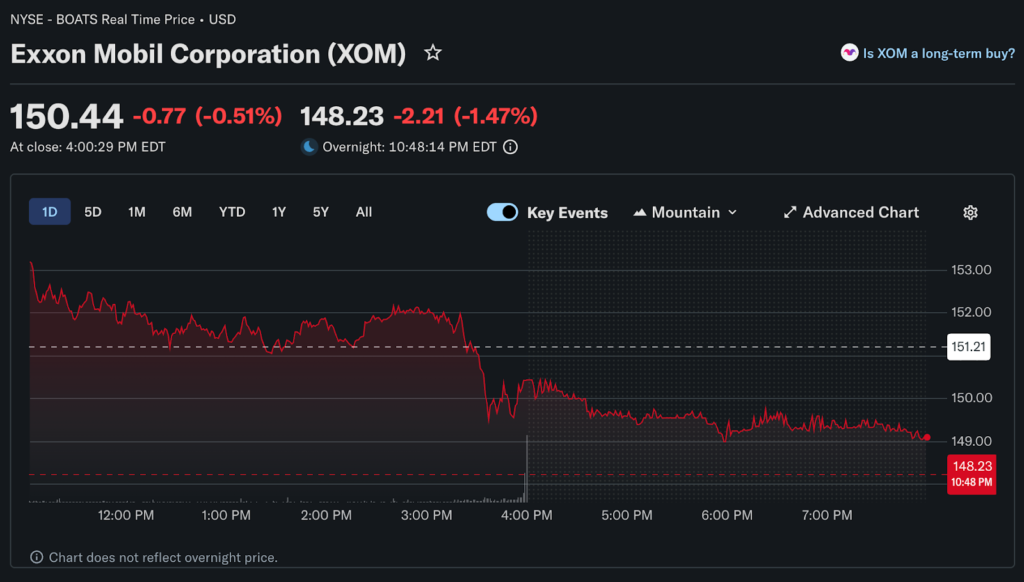
That combination pushed oil prices into territory most analysts thought impossible just weeks ago. Energy stocks became the only safe haven during Friday’s sell-off. Exxon Mobil and Chevron each gained more than 1%. Occidental Petroleum climbed 3.3%.
The Worst Possible Mix
Weak employment data plus spiking energy costs create what economists call stagflation. The economy slows or contracts while inflation accelerates. The Federal Reserve can’t solve both problems at once.
Cutting rates might stimulate hiring but would fuel inflation further. Raising rates fights inflation but kills more jobs. Fed officials find themselves trapped between terrible choices.
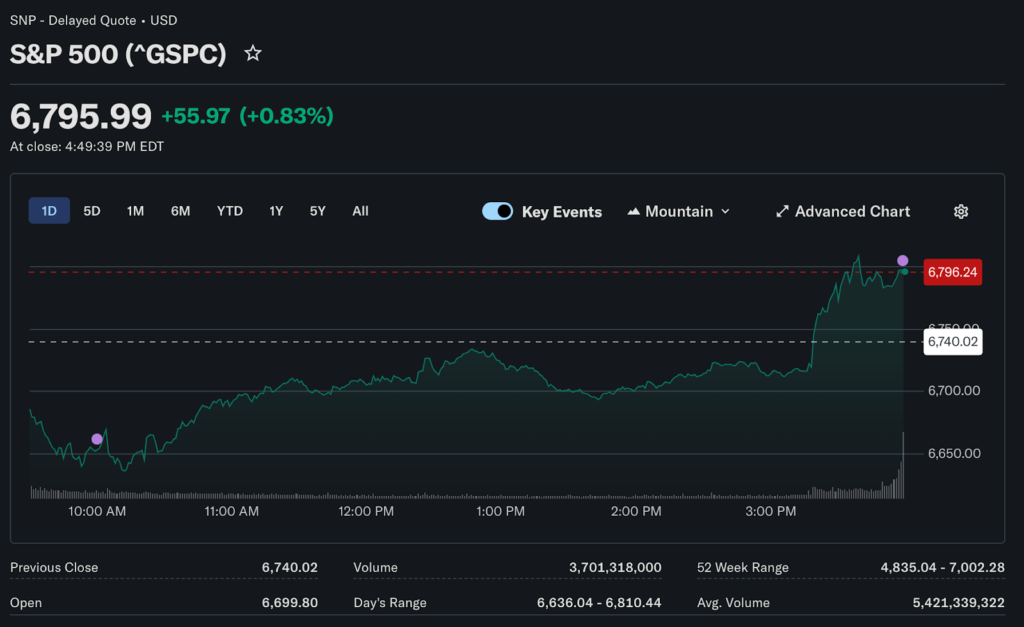
The S&P 500 dropped 90.69 points to close at 6,740.02. The Dow Jones Industrial Average fell 453.19 points to 47,501.55. The Nasdaq Composite sank 361.31 points to 22,387.68.
The Dow plunged as many as 945 points intraday before recovering slightly into the close. Over 70% of US stocks declined on Friday. Markets posted their worst weekly performance since October.
Retail Warning Signs
Retail sales dropped 0.2% in January, slightly better than the 0.3% decline economists anticipated. Consumers pulled back spending even before the latest oil shock hit gas pumps. Adjusted for the auto sector, retail sales stayed roughly flat.
Higher inflation forces shoppers to become more selective about purchases. Some major retailers built up inventory anticipating a solid spring selling season. That bet now looks questionable given deteriorating consumer confidence.
The labor participation rate falling to 62.0% suggests workers are leaving the job market entirely. Companies remain cautious about hiring amid deepening economic uncertainty. Employees cling to existing positions rather than risk job changes.
Bond Market Confusion
Treasury yields initially fell after the jobs report, then reversed course. The 10-year yield rose 2 basis points to 4.16%. Traders slightly boosted bets on Federal Reserve rate cuts despite ongoing inflation concerns, suggesting the Fed may need to lower rates to stimulate the economy amid these inflationary pressures.
The bond market sent conflicting signals about the future direction of the economy. The spread between 2-year and 10-year Treasuries widened to 57.1 basis points. That might reflect higher expectations for future inflation from energy costs, which could lead to increased borrowing costs and impact consumer spending and investment decisions.
Short-term rates stayed relatively stable at 3.606% for 2-year notes. Longer-term rates rose as investors demanded compensation for holding bonds amid uncertainty. The conflict in the Middle East could persist for months.
Energy Sector Rotation
Investors fled technology and growth stocks for energy exposure. The sector rotation accelerated as oil prices climbed throughout the week. Basic materials and industrials also attracted defensive buying.
The VIX volatility index climbed above 28, reflecting broad anxiety across markets. That level indicates investors expect continued turbulence ahead. Even strong earnings reports struggled to lift individual stocks during the sell-off.
European markets followed Wall Street lower despite opening with early gains. London’s FTSE 100 fell 1.2%. Asian markets finished mixed, with Hong Kong’s Hang Seng jumping 1.7%, while South Korea’s Kospi stayed nearly unchanged.
What Comes Next
The Federal Reserve meets March 17-18 for its next policy decision. New York Fed President John Williams suggested another rate cut remains possible. But the Middle East situation may force officials to reconsider that stance.
Companies and consumers both face mounting cost pressures. Import tariffs, raw material expenses, and energy outlays all continue rising. Interest rates increased partly from growing government budget deficits.
The longer the Iran conflict persists, the worse conditions become for the global economy. Stocks will probably extend their losing streak into next week. Safer holdings in the energy, utilities, and raw materials sectors should continue outperforming.


