
A senior broker at Marbrisse analyzes what happens when promised liquidity vanishes. Investors requesting their money back from BlackRock’s massive lending fund discovered Friday that promises don’t always match reality.
First-quarter withdrawal requests hit $1.2 billion at the HPS Corporate Lending Fund. The math tells an uncomfortable story. Those redemptions represented 9.3% of the fund’s assets under management.
BlackRock imposed a hard stop at the 5% threshold. Only $620 million in withdrawals got approved. The remaining investors? They’re stuck waiting with no timeline for access to their capital.
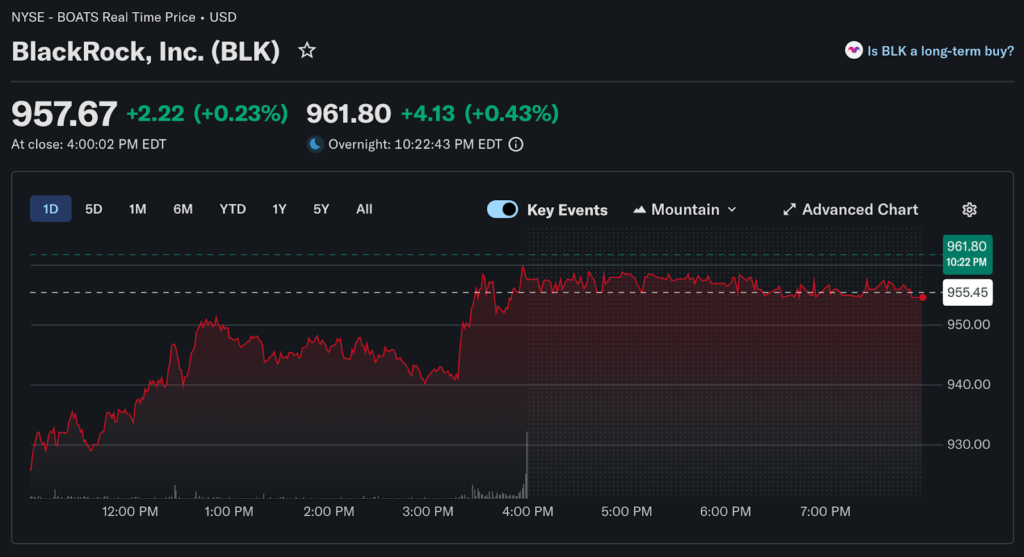
The Numbers Tell the Story
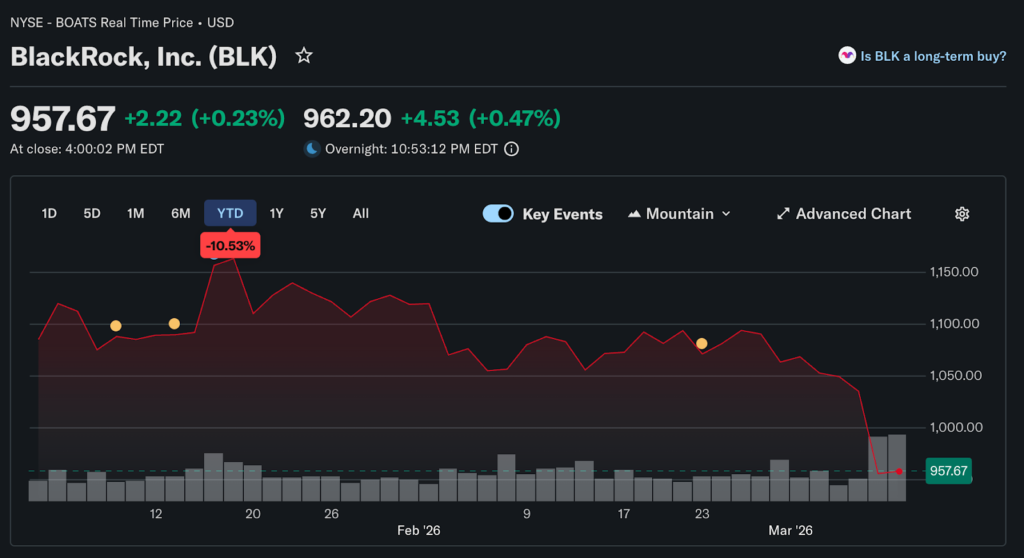
Half the money investors wanted back stayed locked inside the fund. BlackRock’s stock dropped 8.3% as news spread through trading desks. The $26 billion vehicle became the latest symbol of stress building across private credit markets.
KKR shares tumbled alongside Ares Management as traders questioned which fund would be next. The $1.8 trillion private credit industry had marketed itself as offering regular liquidity windows. That pitch is being tested under real market pressure for the first time.
Blue Owl Capital already stopped honoring quarterly redemption requests at one of its funds. Blackstone raised eyebrows days earlier when it bumped its redemption cap from 5% to 7%. The firm processed 7.9% worth of tender requests only after injecting $400 million of its own capital.
Why Software Became the Problem
Fund documents reveal 19% of HPS Corporate Lending’s portfolio consists of loans to software businesses. That sector got hammered as artificial intelligence sparked fears about business model disruption. Private credit managers holding software debt found themselves sitting on the wrong side of a market rotation.
A $25 million loan BlackRock held appeared perfectly healthy on the December 31 statements. By March, the entire position was marked to zero. Three months transformed a performing asset into a complete loss.
These overnight write-offs create panic among remaining investors. People who feel comfortable suddenly start calculating exit strategies. The Wall Street Journal documented how another HPS lending syndicate lost $400 million on a single deal gone wrong.
Asset Managers Face Impossible Choices
Redemption gates are mechanisms that protect funds from being forced into distressed asset sales, but they also trap investors who legitimately need liquidity. But they also trap investors who legitimately need liquidity. Wealth managers now face angry clients demanding explanations about inaccessible money.
HPS leadership framed the decision as preserving capital for “compelling investment opportunities.” Translation: management believes buying during panic makes more sense than selling into weakness. That logic works great unless you’re the investor trying to get out.
A smaller BlackRock private credit vehicle with $2.2 billion under management disclosed 4.5% redemption requests on Friday. That fund will honor every withdrawal since requests stayed below the 5% trigger. The difference between 4.5% and 9.3% determines who gets their money and who doesn’t.
Semi-Liquid Becomes Illiquid
Evercore ISI analyst Glenn Schorr defended BlackRock’s decision to enforce the 5% cap. His research note argued the move preserves fund integrity while preventing forced selling.
The products were designed with the knowledge that liquidity would be limited during stress. Investors either ignored the fine print or assumed stress wouldn’t materialize. Now the theoretical becomes real.
Private credit funds financed corporate borrowers that banks abandoned after the 2008 regulations. The loans command premium interest rates compared to public bonds.
Higher yields attracted waves of wealthy individuals into the asset class. Pension funds understood the illiquidity trade-off. Retail investors seem shocked that their quarterly liquidity isn’t guaranteed.
The HPS Acquisition Context
BlackRock paid roughly $12 billion for HPS Investment Partners last year. The acquisition represented a massive bet on private credit’s continued growth. Banks’ retreating from corporate lending created space for alternative lenders to fill.
Bankruptcy filings by First Brands and subprime auto lender Tricolor raised questions about due-diligence standards. Investors alleged collateral fraud after the companies collapsed. Those incidents occurred before the pressure to redeem began to build.
HPS executives told investors that the withdrawal restrictions would actually benefit the fund in the long term. Maintaining liquidity lets managers buy assets at distressed prices from competitors forced to sell. That argument provides little comfort to investors wanting their capital back now.
What Happens Next
Investors approved for the $620 million in redemptions will receive their money. Everyone else joins a queue with unknown timing. Market conditions would need to improve dramatically before another redemption window opens cleanly.
Additional funds will likely impose gates as pressure spreads. The private credit boom attracted participants who fundamentally misunderstood the product. Education happens quickly when your money gets locked up.
BlackRock manages over $10 trillion globally across all strategies. The firm can absorb a hiccup in private credit. Smaller managers face existential questions if redemption pressures continue building. The industry’s first real stress test is underway, and results so far suggest structural problems exist beneath the surface.


