
Berkshire Hathaway has a new person in charge, and Greg Abel is not wasting time making his priorities clear. In his first shareholder letter as CEO, Abel named nine companies he considers core holdings, together accounting for over 60% of Berkshire’s equity portfolio. Senior finance analysts at Marbrisse note that investors should expect “limited activity” in these positions going forward, which says a lot about where Abel sees long-term value.
The Nine Stocks on Abel’s Permanent List
Abel’s picks span different industries and regions, but they all share something in common: businesses that grow steadily without needing constant reinvention. The nine positions include Apple at 19% of marketable equities, American Express at 15%, Coca-Cola at 10%, Moody’s at 4%, and the five Japanese trading houses combined at 14%.
These names alone make up the majority of what Berkshire owns in public markets. Abel has made it clear he is not moving on any of them, and the rest of the portfolio simply fills in around these core positions.
Apple: Still the Biggest Piece
Apple holds the top spot at 19% of Berkshire’s marketable equities, even after the company sold off more than three-quarters of its Apple shares in the previous CEO’s final years. Abel’s letter strongly suggests that selling is done.
What makes Apple stand out in 2026 is how it compares to its big tech peers. While major cloud and AI companies are collectively spending over $700 billion in capital expenditures this year, Apple is on track to generate free cash flow exceeding $100 billion, which reflects a very different way of running a business.
iPhone sales grew 23% year over year last quarter, with strong performance coming from Greater China. A revamped Siri with more advanced AI features is still being developed, and a successful launch could push another major upgrade cycle. At 30 times forward earnings, the stock is priced fairly given the active buyback program and expanding margins.
American Express: Three Decades and Still Counting
American Express has been part of Berkshire’s portfolio for over 30 years, and Abel made it clear this is not changing anytime soon. The company has done smart work attracting high-income customers and small businesses, refreshing its flagship Platinum card last year, and raising fees without losing customers.
Most of Amex’s revenue still comes from interchange fees collected on every transaction processed through its network. Net interest income is also growing as the company expands its credit offerings. With a forward P/E of just 17, it represents a fair price for a business with that kind of earnings consistency.
Coca-Cola: The Tax Math Keeps It in Place
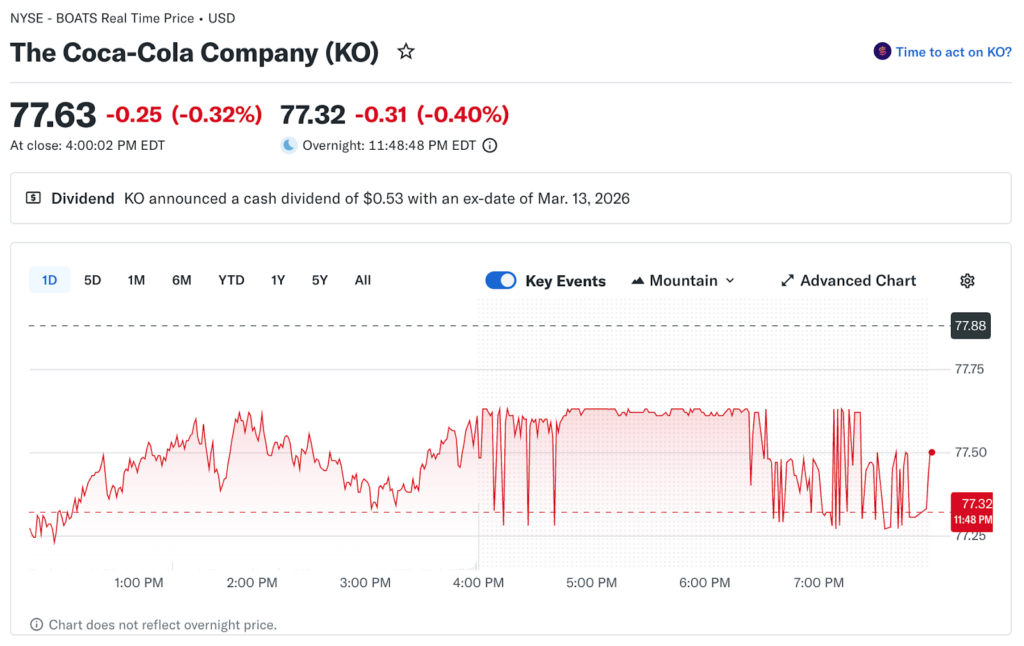
Coca-Cola at 24 times forward earnings is not exactly a bargain on the surface, but Berkshire is not selling anytime soon. The company is sitting on $29.5 billion in capital gains from an original investment of just $1.3 billion, and realizing those gains would trigger a massive tax bill that makes holding far more sensible than selling.
The business itself stays steady. Coca-Cola posted 5% organic revenue growth last year through price increases, and management expects similar performance in 2026 with slightly better earnings growth coming from margin improvements.
Moody’s: Abel’s Personal Addition to the Forever List
Moody’s is the most notable inclusion because the previous Berkshire chairman never publicly called it a permanent holding. Berkshire bought the position in 2000, trimmed it in 2009 and 2010, then held it unchanged from 2013 onward.
The business model is straightforward but hard to replicate. Bond investors and issuers both need ratings from the same agency to make fair comparisons, which gives Moody’s a genuine network effect that competitors struggle to break into. The Investors Service division covers about two-thirds of the company’s income, and the Analytics segment is growing at a faster pace. Management guided for 9% revenue growth with double-digit earnings per share gains expected next year.
The Japanese Trading Houses: A Strategic Bet on Partnership
The five trading houses, Mitsubishi, Mitsui, Itochu, Sumitomo, and Marubeni, make up a combined 14% of the portfolio. Abel does not just see these as stock positions. He views them as potential partners for future international investments across multiple industries.
Berkshire borrowed yen equal to its cost basis in these companies, which reduces currency risk while taking advantage of Japan’s historically low interest rates. The dividends from the trading houses more than cover the interest on that debt, making it a very efficient position to hold long-term.
What Abel Is Really Saying to the Market
Abel’s list is less about the individual stocks and more about signaling a shift in how Berkshire operates going forward. The message is that the portfolio’s best work happens by holding, not trading.
For long-term investors, the companies on this list share one quality worth paying attention to: they generate value regardless of what the broader economy is doing. That is the kind of foundation worth building around in 2026 and beyond.


