
shockwaves through financial markets on Friday. Senior financial analysts at Nummixo examine how US employers shed 92,000 positions against economist expectations for 50,000 gains, marking the third monthly contraction in the past five months. Unemployment climbed to 4.4% while revisions erased 69,000 previously reported jobs.
Markets reacted severely, with the S&P 500 plunging 1.3% and the Dow dropping 453 points, capping the worst weekly performance since October. Oil prices simultaneously spiked above $90 per barrel, creating a perfect storm of economic challenges.
Healthcare Sector Reversal Shocks Economists
Healthcare employment declined 28,000 positions in a stunning reversal after averaging 36,000 monthly gains throughout the preceding year. The Kaiser Permanente strike, impacting 30,000 workers, occurred during the Bureau of Labor Statistics survey week. Physicians’ offices shed 37,400 positions while hospitals added 11,600 jobs.
Healthcare had served as the primary anchor preventing deeper deterioration over recent months. February reversal raises questions about employment sustainability absent this traditional growth engine.
Downward Revisions Compound Concerns
December payrolls were revised dramatically downward by 65,000, transforming the initially reported 48,000 gain into an actual 17,000 loss shocking analysts. January figures cut by 4,000, reducing the 130,000 gain to a 126,000 increase. Combined revisions eliminated 69,000 previously reported positions, suggesting labor market weakness extending deeper than real-time data initially indicated.
Pattern of persistent negative revisions signals deteriorating conditions beyond normal monthly volatility. Economists increasingly question the reliability of initial reports, given consistent downward adjustments, creating measurement challenges for policymakers.
Federal Workforce Contraction Accelerates
Federal government employment fell by another 10,000 positions, extending the sharp downward trajectory under the current administration. Since reaching a peak in October 2024, federal payrolls contracted by 330,000 jobs, representing 11% of the entire federal workforce through unprecedented civil service reductions.
White House economic advisor Kevin Hassett characterized average monthly job growth of around 5,000 as consistent with expectations given reduced immigration flows. Administration argues that lower immigration substantially reduces the break-even employment threshold to 30,000 to 40,000 monthly additions required for maintaining stable unemployment rates.
Transportation and Information Sectors Slide
The transportation and warehousing sector shed 11,000 positions, with couriers and messengers losing 17,000 jobs, partially offset by air transportation gaining 5,000. Overall employment is down 157,000 or 2.4% since the February 2025 peak, reflecting softening goods movement and logistics demand.
The information sector continued its downward trend, losing 11,000 positions. Industry averaged 5,000 monthly losses over the preceding twelve months, indicating sustained structural headwinds facing media and telecommunications businesses. Construction declined 11,000 after surging 48,000 in January due to severe winter weather. Social assistance added 9,000 positions driven by demographic trends.
Long-Term Unemployment Duration Surges
The average duration of unemployment reached 25.7 weeks, representing the longest stretch since the December 2021 pandemic aftermath. This metric signals increasing difficulty for jobless workers finding new positions as hiring rates remain depressed across industries.
Long-term unemployed, defined as jobless 27 weeks or more, held steady at 1.9 million but up substantially from 1.5 million one year prior. These workers accounted for 25.3% of all unemployed in February, indicating structural challenges beyond the normal cyclical slowdown.
Broader unemployment measure, including discouraged workers and part-time employees for economic reasons, decreased to 7.9% from 8.1%. Workers employed part-time involuntarily decreased 477,000 to 4.4 million, suggesting employers are maintaining existing staff despite hesitation, adding new positions.
Wage Growth Persists Despite Weakness
Average hourly earnings increased 0.4% monthly and 3.8% annually, both exceeding forecasts by 0.1%age point. This disconnect between softening labor demand and rising compensation complicates Federal Reserve policy decisions significantly for the coming months. Persistent wage growth amid employment losses suggests potential stagflation dynamics where economic weakness fails to sufficiently cool inflation pressures.
Production and nonsupervisory employee wages rose 0.3% monthly to 32.03 dollars per hour. Federal Reserve officials face a difficult balancing act between supporting employment through lower rates and containing inflation, requiring tighter policy.
Market Reaction Caps Brutal Week
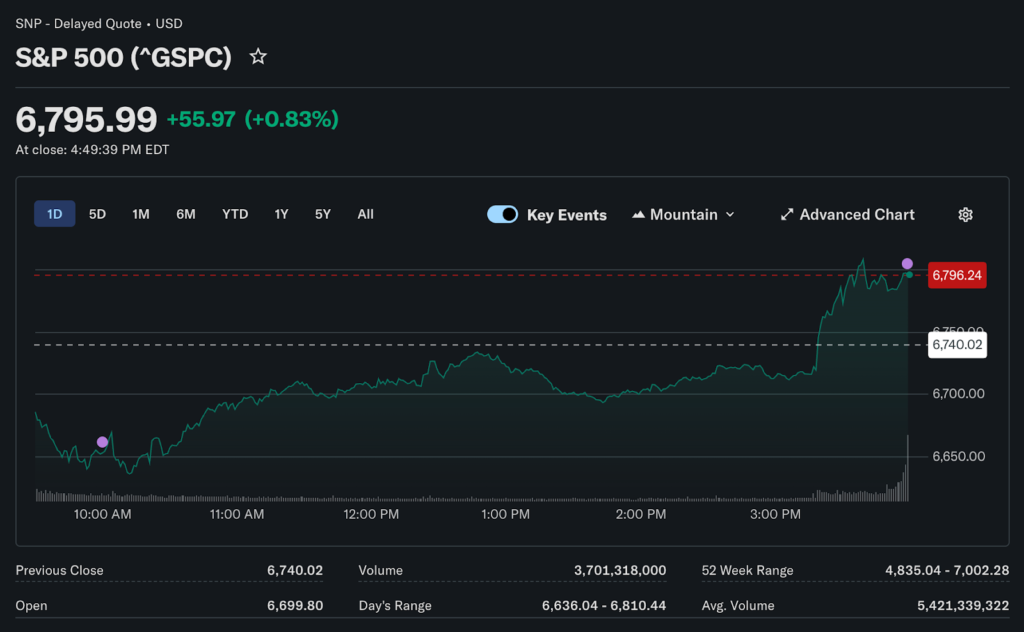
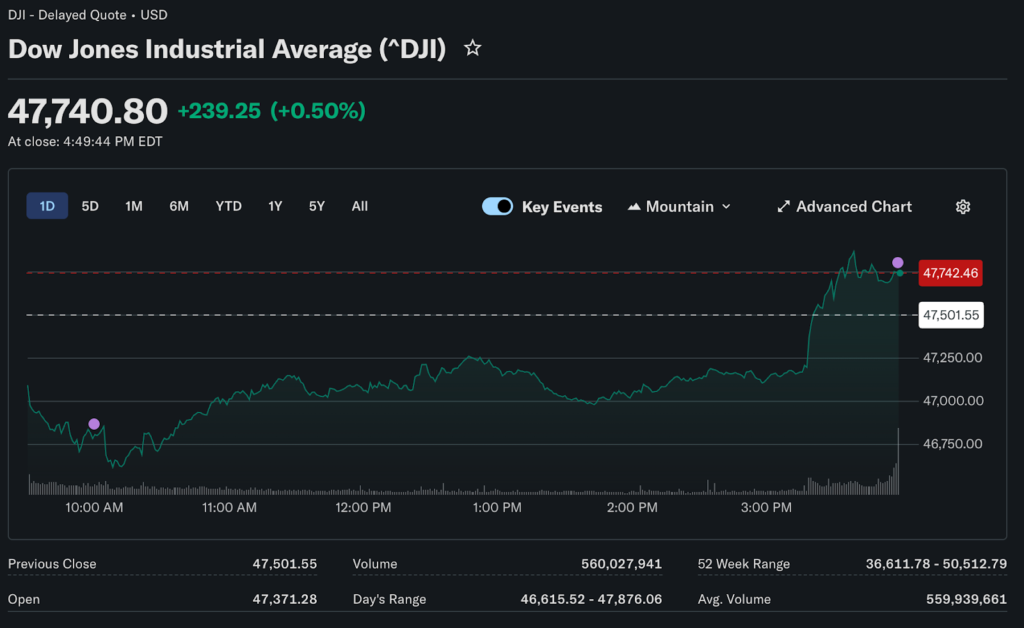
Stock markets plunged on employment data, with the Dow Jones falling as much as 945 points intraday before partially recovering to close down 453 points or 0.9% on Friday. S&P 500 dropped 90.69 points, finishing at 6,740.02, while the Nasdaq composite sank 361.31 points to 22,387.68 levels ending a difficult trading session.
Companies with high fuel costs led declines as oil prices simultaneously spiked above 90 dollars per barrel, creating dual pressures on margins. Old Dominion Freight Line plummeted 7.9%, cruise operator Carnival fell 5%, and Southwest Airlines lost 5.3%, reflecting investor concerns about energy expenses eroding profitability across transportation sectors.
Friday’s decline capped the worst weekly performance since October, with investors processing multiple simultaneous challenges from employment to energy. Economists debate whether February represents a temporary setback from weather, strikes, and statistical noise or signals an inflection toward sustained economic weakness threatening optimistic forecasts.


