
Crude oil prices breached the critical $90 per barrel threshold on Friday, marking the highest levels since 2023 as the Middle East conflict disrupts global energy markets. Finance experts at Nummixo analyze how Brent crude jumped 8.5%, settling at $92.69, while US benchmark West Texas Intermediate surged 12.2% to $90.90, creating inflationary pressures compounding economic challenges. The energy shock, combined with weak employment data, creates a dangerous stagflation scenario, complicating Federal Reserve policy decisions.
Geopolitical tensions surrounding the Iran war threaten critical Strait of Hormuz shipping lanes through which 90% of Asian oil imports transit daily. US oil futures surged 34% for the entire week, representing one of the sharpest weekly gains on record.
Asian Markets Suffer Most
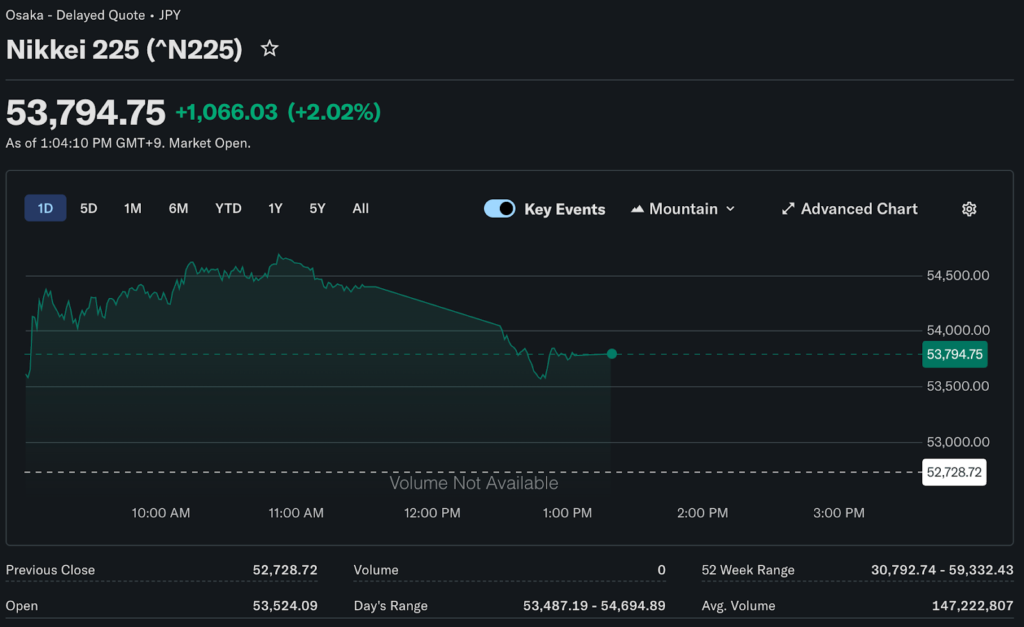
Countries dependent on Middle East energy imports faced immediate selling pressure. South Korea’s KOSPI index plunged 7.72%, triggering circuit breakers. Japan’s Nikkei 225 sank 6.45% while Taiwan’s TAIEX declined 4.86%, reflecting vulnerability to energy disruptions.
China’s SSE Composite showed relative resilience, declining only 0.78%, benefiting from domestic reserves. European markets experienced measured reactions, with London’s FTSE 100 falling 1.2% while pan-European Stoxx 600 headed for a 4.6% weekly loss. Energy stocks provided rare bright spots with major producers advancing.
Transportation Sector Hammered
Airlines and cruise operators led market declines as fuel cost projections demolished profit forecasts. United Airlines CEO Scott Kirby warned fuel spike will have a meaningful impact on first-quarter results. United shares tumbled 6.44%, while Delta Air Lines lost 4.59% and Southwest Airlines dropped 4.23%.
Cruise lines faced similar pressures, with Norwegian and Carnival both declining approximately 6%. Royal Caribbean fell 6.44%, rounding out travel sector carnage. Freight companies experienced severe declines, with Old Dominion Freight Line sinking 7.9% as diesel prices surged.
Inflation Concerns Resurface
Energy price spikes threaten to derail the inflation progress achieved over recent quarters. Markets increased inflation expectations, particularly for shorter time periods. Gasoline prices are already climbing nationwide, with the average expected to surge beyond $3.50 per gallon in the coming weeks.
Consumer purchasing power erodes as households allocate increasing portions of their budgets toward energy expenses. This reduces discretionary spending, threatening retail sales and broader economic growth, already showing deceleration signs. Diesel and jet fuel, as petroleum distillates, experience even sharper increases affecting transportation costs throughout supply chains.
Strategic Reserve Considerations
Treasury officials weigh interventions to reduce price impacts on American consumers. Strategic Petroleum Reserve releases could moderate domestic increases, though reserves remain below historical averages following previous drawdowns.
Administration faces political pressures to address gasoline prices affecting household budgets. However, SPR releases provide only temporary relief without addressing underlying supply-demand imbalances created by geopolitical disruptions. Market analysts question the effectiveness given the global nature of oil pricing.
Federal Reserve Dilemma Intensifies
Central bank policymakers confront the worst-case scenario of simultaneous economic weakening and inflation acceleration. Traditional monetary policy tools prove ineffective in addressing stagflation dynamics, where rate cuts risk fueling inflation, while increases deepen recession threats.
Fed officials maintained a cautious stance following the 2025 rate reductions. Most advocate a data-dependent approach, monitoring both employment conditions and inflation developments before committing to policy direction. Energy shocks historically trigger recessions when combined with tight monetary policy.
Supply Chain Disruptions Escalate
Beyond direct energy costs, the Middle East conflict threatens broader supply chain stability. Shipping companies rerouting vessels to avoid conflict zones increases transit times and costs throughout global trade networks.
Manufacturing operations dependent on Middle East inputs face potential shortages. Chemical and petrochemical industries are particularly vulnerable to feedstock disruptions affecting downstream production across industrial sectors. Inventory rebuilding becomes a priority as companies seek to insulate supply chains from geopolitical uncertainties.
Energy Sector Outperforms
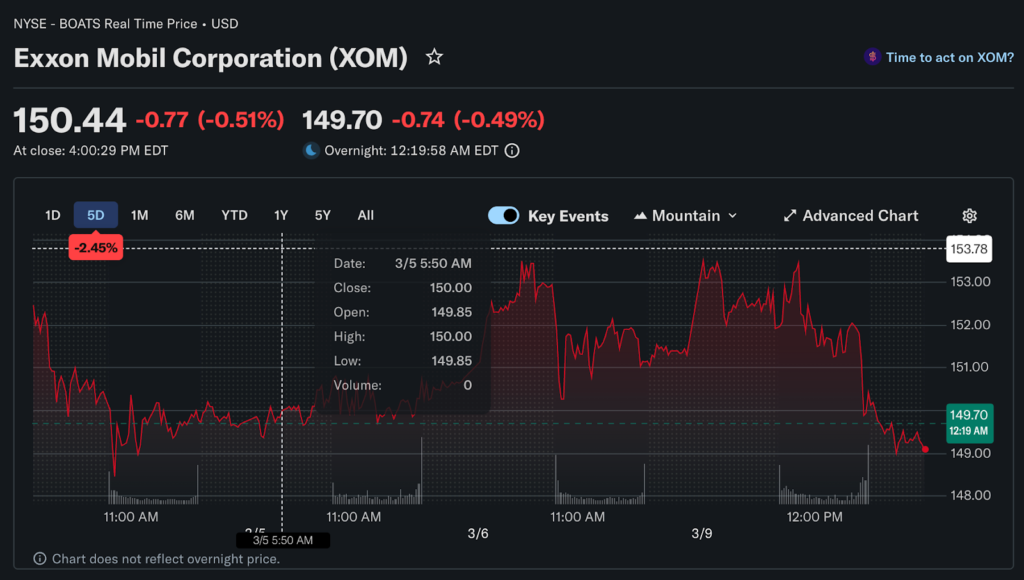
Domestic energy producers benefited from price increases, with the sector providing rare positive performance amid broader market weakness. Exxon Mobil hit an all-time high on Friday, while the XLE energy sector ETF reached its highest levels since December.
The US position as the world’s largest oil producer provides relative insulation from supply disruptions compared to import-dependent economies. However, prices still respond to global dynamics, creating inflationary pressures domestically despite production advantages.
Market Outlook Darkens
A combination of employment weakness and energy shock substantially increases recession probabilities for 2026. Economists are revising growth forecasts downward as dual headwinds intensify.
Atlanta Federal Reserve GDPNow tracker plunged to 2.1% from 3.0%, reflecting deteriorating conditions. Corporate earnings forecasts face downward revisions as margin pressures mount. Energy-intensive industries are particularly vulnerable, while even service sectors face indirect impacts through reduced consumer spending power.
Stock market volatility is expected to remain elevated as investors process evolving economic and geopolitical dynamics. Risk-off positioning is likely to continue until clarity emerges on both conflict trajectory and economic resilience. Friday’s market action capped the worst week since October with no immediate catalysts for reversal visible on the horizon.


