
Major airline stocks suffered devastating losses on March 8, 2026, as jet fuel prices skyrocketed. Delta Air Lines fell 4.59% while United Airlines plunged 6.44% during Monday trading. The sector faced its worst crisis since the 2005 hurricane season.
Nummvix‘s lead financial analyst breaks down the catastrophic cost pressures. Fuel represents 20-25% of total operating expenses for carriers. The sudden price spike threatened to erase entire profit margins.
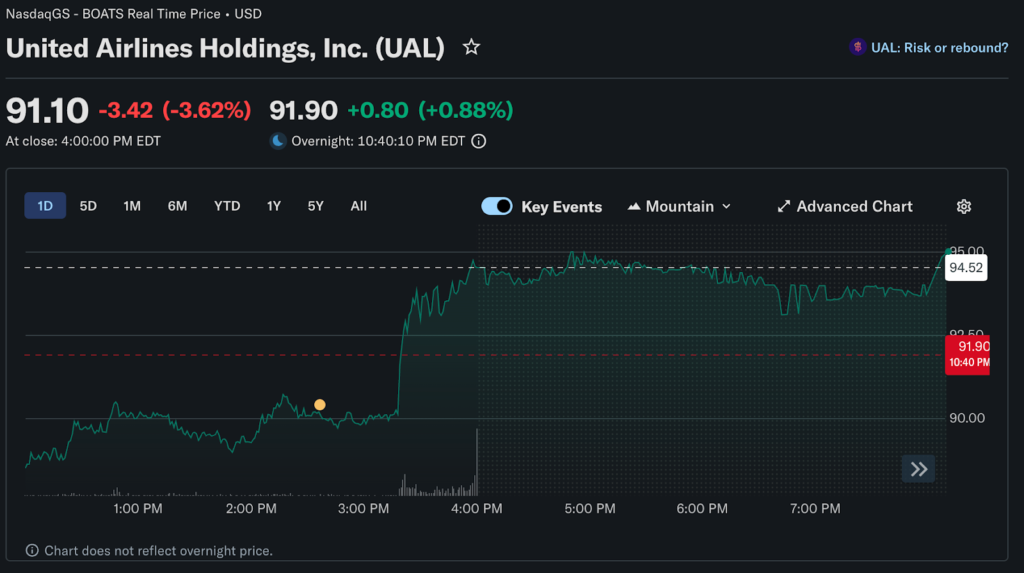
Fuel Cost Explosion
Jet fuel prices have doubled at some markets since the conflict began. Spot prices at the US Gulf Coast reached $4.12 per gallon by March 6. This represented levels not witnessed in nearly four years.
Kerosene futures surged even faster than crude oil benchmarks. Analysts projected second-quarter 2026 average prices of $2.80 per gallon. Previous forecasts had assumed approximately $2.30 per gallon.
Unhedged Exposure
American carriers largely abandoned fuel hedging over the past two decades. This left them directly exposed to energy market volatility. American Airlines faced particularly severe pressure due to zero hedging protection.
Every one-cent increase in jet fuel adds an estimated $50 million to American’s annual expenses. The carrier warned of potential first-quarter adjusted losses reaching $0.50 per share. Its stock traded near $11.79 after falling 15% in seven days.
Route Suspensions
American suspended Philadelphia-to-Doha service indefinitely on March 5. United canceled flights to Tel Aviv and Dubai due to airspace closures. Middle Eastern routes generated significant premium revenue for major carriers.
Delta’s international network faced similar disruptions. The carrier suspended multiple Gulf region destinations. Management indicated a sustained 10% fuel increase would add $1 billion to the 2026 fuel bill.
Airfare Increases
Ticket prices surged as carriers attempted cost recovery. Some routes saw double-digit percentage increases within days. However, analysts warned higher fares could suppress demand through much of 2026.
The Association of Asia Pacific Airlines noted crew resources stretched thin. Closed airspace forced longer routing and extended flying times. This compounded fuel consumption beyond simple price effects.
Southwest Struggles
Southwest Airlines declined 4.23% Monday despite operating primarily domestic routes. The carrier’s 817 Boeing 737 fleet consumes massive fuel volumes. Low-cost business models operate on razor-thin margins.
Alaska Air Group also suffered significant losses. Regional carriers faced identical cost pressures without the revenue diversification of major network airlines. Smaller operators confronted potential bankruptcy scenarios.
Delta’s Partial Shield
Delta’s ownership of the Trainer, Pennsylvania refinery, provided limited protection. This asset creates a natural hedge against rising crack spreads. However, the benefit only partially offsets crude price increases.
The carrier’s premium passenger concentration offered additional flexibility. Business and first-class travelers show less price sensitivity than economy customers. This enabled Delta to implement fuel surcharges more effectively.
United’s Middle Ground
United entered 2026 with strong momentum after $10.62 earnings per share in 2025. Its modern, fuel-efficient fleet should theoretically help. But the carrier’s vast international network became a liability.
Heavy Middle Eastern exposure created operational chaos beyond fuel costs. Cancelled flights left thousands of passengers stranded. Rebooking costs and compensation claims mounted rapidly.
Cruise Line Carnage
The crisis extended beyond airlines to ocean carriers. Carnival plummeted 7.41% while Royal Caribbean dropped 6.44%. Norwegian Cruise Line fell an identical 6.44% Monday.
These companies face similar fuel cost structures to airlines. Large vessels consume enormous quantities of marine diesel. Route adjustments to avoid conflict zones increased distances and consumption.
Historical Precedent
Deutsche Bank analysts referenced the 2005 hurricanes, Katrina and Rita. That jet fuel spike resulted in widespread industry damage. Both Delta and Northwest filed for Chapter 11 bankruptcy that year.
Current conditions appear even more severe given geopolitical uncertainty. The 2005 crisis stemmed from temporary refinery disruptions. The 2026 situation involves ongoing military conflict with no clear resolution timeline.
Margin Elimination
Airlines typically operate on low single-digit operating margins even during profitable periods. Unanticipated fuel cost jumps can eliminate profits entirely. Carriers must refuel aircraft at higher costs than assumed when tickets were sold.
Morningstar raised fair value estimates for Delta to $58 from $47 and United to $127 from $98. However, these adjustments assumed fuel prices would moderate. Sustained high costs could invalidate the analysis.
Demand Destruction Fears
Higher ticket prices threatened the post-pandemic travel recovery. Consumer budgets already faced pressure from inflation and housing costs. Aviation fuel surcharges might prove the tipping point for discretionary travel.
Industry forecasts had projected $41 billion in global airline profits for 2026. That optimistic scenario evaporated within days. The International Air Transport Association faced massive downward revisions.
Strategic Rethink
The crisis forced a fundamental reassessment of hedging strategies. Many carriers had transitioned away from expensive hedge premiums during stable periods. March 2026 events highlighted the catastrophic risks of this approach.
Post-hedging vulnerability became apparent when geopolitical black swan events materialized. European carriers, including Ryanair, maintained robust hedging programs. They are positioned to gain market share from exposed American rivals.


