
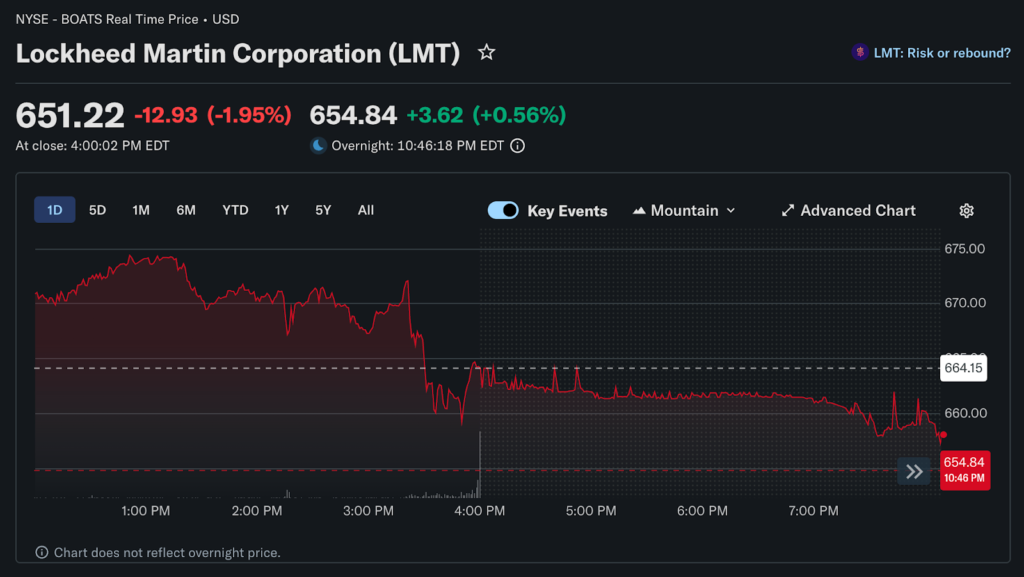
Defense contractor stocks surged on March 8, 2026, despite broader market turmoil. Northrop Grumman gained over 4% while Lockheed Martin added more than 3%. The ongoing Iran conflict created a massive demand for weapons systems.
Nummvix‘s junior broker highlights the sector’s outperformance. RTX Corporation climbed approximately 1% as investors sought safe-haven exposure. Defense companies benefit from geopolitical instability that devastates other industries.
Munitions Production Surge
The Pentagon’s $20.4 billion munitions push drove investor enthusiasm. Fiscal year 2026 budget proposals included unprecedented replenishment funding. Precision-guided munitions inventories faced rapid depletion.
Central Command reported thousands of high-value targets neutralized. Each strike consumed expensive missiles and bombs requiring replacement. The “fill the bins” imperative created multi-year revenue visibility.
Lockheed’s Leadership
Lockheed Martin maintained its position as the world’s largest defense contractor. The F-35 program provided steady cash flows while missile defense systems saw surging demand. THAAD and Aegis interceptors protected Gulf allies.
The company reported a $179 billion backlog in recent quarters. Pentagon procurement targeted 1,100 annual units for key systems. Management expressed confidence in mid-single-digit growth through 2026.
RTX Interceptor Demand
RTX produces critical Patriot PAC-3 and AMRAAM missiles defending forces from attacks. Defensive systems proved equally important as offensive capabilities during the conflict. Insurance premiums reflected this reality.
The company’s $268 billion backlog represented record levels. Multi-year procurement authority provided long-term revenue certainty. Defense segment growth offset any commercial aerospace weakness.
Northrop Strategic Programs
Northrop Grumman builds the B-21 Raider stealth bomber, entering production. The sixth-generation aircraft functions as a networked node rather than just a strike platform. It collects and disseminates vast intelligence data.
The Ground-Based Strategic Deterrent program supported nuclear modernization efforts. Northrop’s $95.7 billion backlog ensured revenue visibility through the next decade. Space systems added growth potential.
Budget Increases
The Fiscal 2026 National Defense Authorization Act proposed $924.7 billion in total military spending. This represented increases over 2025 authorization levels. However, some proposals suggested even larger expansions ahead.
One plan floated $1.5 trillion in defense spending, representing a 50% increase. While politically uncertain, the direction of travel appeared clear. Geopolitical tensions justified sustained budget growth.
Production Constraints
Manufacturers faced challenges ramping up output to meet demand. Solid rocket motor capacity represented a particular bottleneck. Skilled labor shortages slowed some production lines.
Pentagon funding specifically addressed capacity expansion. New facilities required years to complete and staff. Near-term production remained constrained despite surging orders.
Dividend Policies
Executive orders targeted contractors behind schedule with dividend restrictions. Companies could not return cash to shareholders while missing delivery commitments. This aimed to incentivize execution over financial engineering.
Lockheed maintained a 2.75% dividend yield despite the restrictions. The company’s execution track record provided confidence. Northrop offered approximately 1.3% yield with growth potential.
Valuation Debates
Defense stocks traded at premium multiples relative to historical averages. Lockheed’s 17x earnings represented the highest among major contractors. Investors questioned whether growth justified elevated valuations.
Bears argued political winds could shift rapidly. Defense spending faced potential cuts during budget reconciliation. Hawks countered that geopolitical realities made cuts unlikely.
Small Cap Exposure
Drone manufacturers, including AeroVironment, saw explosive gains. The company reported revenue growth exceeding 150% year-over-year in recent quarters. Tactical unmanned systems filled critical operational gaps.
Oppenheimer forecast a $400 billion drone market supported by defense spending increases. Red Cat Holdings and Kratos Defense benefited from the tailwind. Autonomous systems reshaped modern warfare.
European Spending
NATO allies are committed to 5% of GDP defense spending by 2035. Current levels averaged well below this target. European manufacturers, including BAE Systems positioned for growth.
The Hague declaration dedicated 3.5% for core defense, with 1.5% for resilience infrastructure. This represented massive budget increases across the continent. American contractors exported systems to European allies.
Supply Chain Complexity
Prime contractors depended on extensive supplier networks. Tiers of specialized manufacturers provided components and subsystems. Production bottlenecks anywhere threatened final assembly.
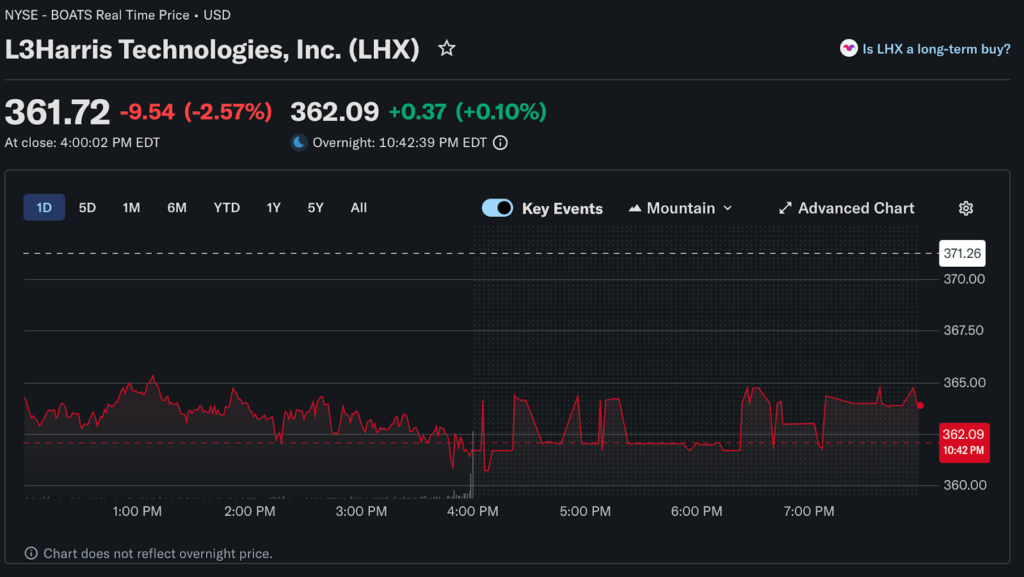
L3Harris Technologies and Leidos provided critical IT and services. General Dynamics built naval vessels and ground vehicles. The integrated industrial base required coordination across hundreds of companies.
Shareholder Returns
Defense stocks offered stability during economic uncertainty. Multi-year government contracts provided predictable cash flows. This made the sector attractive during volatile periods.
However, execution risks remained significant. Large programs experienced cost overruns and schedule delays. Management quality differentiated winners from underperformers.
Political Headwinds
Rising spending attracted political scrutiny and oversight pressure. Activists questioned profiting from conflict and death. Defense contractors faced reputational challenges alongside financial success.
Congressional investigations into contract pricing occurred periodically. Companies maintained extensive compliance and lobbying operations. Political risk represented an ongoing consideration despite strong fundamentals.
Competitive Dynamics
The defense oligopoly limited true competition among primes. However, emerging technologies created opportunities for new entrants. Software and autonomy companies competed with traditional manufacturers.
Palantir Technologies provided data fusion capabilities essential to modern operations. Its growth trajectory exceeded legacy contractors. The high-tech warfare era favored different business models.


