
Crude oil markets experienced unprecedented volatility on March 8, 2026. West Texas Intermediate plunged from overnight highs near $120 per barrel back to $87.75 within hours. The dramatic reversal followed comments from the US President suggesting the conflict with Iran might be concluding.
A senior financial analyst at Nummvix examines the extraordinary price action. Brent crude had surged 29% at one point during Sunday trading. The spike reflected fears about prolonged disruptions to global energy supplies through the Strait of Hormuz.
Strait Closure Impact
The narrow waterway handles approximately 20% of the global oil trade daily. Iranian authorities effectively closed the strait through targeted drone strikes on commercial vessels. Major shipping insurers withdrew coverage for transit through the region.
150 tanker ships remained anchored outside the strait by March 8. Producers, including Saudi Arabia and the UAE, faced mounting storage challenges. Some fields began reducing output as onshore tank capacity filled.
Geopolitical Reversal
The US President told CBS News the military operation was “very complete, pretty much” on March 8. He indicated Iran had “no navy, no communications, no Air Force” remaining. Markets interpreted these statements as signaling an imminent conclusion.
Oil futures reacted violently to the comments. WTI dropped $32 per barrel from Sunday’s peak to Monday afternoon levels. The reversal represented one of the sharpest single-day collapses in energy futures history.
Producer Response
Qatar’s Energy Minister had warned on March 6 that continued conflict could force Gulf producers to halt exports entirely. He stated such action “will bring down economies of the world.” The threat amplified concerns about supply security.
OPEC Plus members held emergency consultations over the weekend. Saudi Arabia’s East-West Pipeline offered partial alternatives to Hormuz transit. However, terminal capacity at Jeddah limited throughput to roughly 7 million barrels daily.
Storage Constraints
Iraqi production facilities began shutting down fields due to storage limitations. Without export routes through the strait, crude had nowhere to go. Floating storage vessels filled rapidly across the Persian Gulf.
Venezuela’s state oil company suspended some drilling operations. The company cited oversupply conditions created by the Hormuz disruption. Global inventories built faster than anticipated.
Market Structure Breakdown
The violence in futures prices revealed structural weaknesses. Analysts noted that 84% of crude passing through Hormuz typically heads to Asian destinations. China, India, Japan, and South Korea faced immediate supply disruptions.
European markets received approximately 12-14% of LNG from Qatar via the Strait. Natural gas prices in both Europe and Asia surged even more sharply than crude. Some contracts doubled within days.
Insurance Market Collapse
War risk premiums had reached six-year highs before the military strikes began. Following the attacks, major insurers simply withdrew coverage entirely. This created a de facto closure without a formal naval blockade.
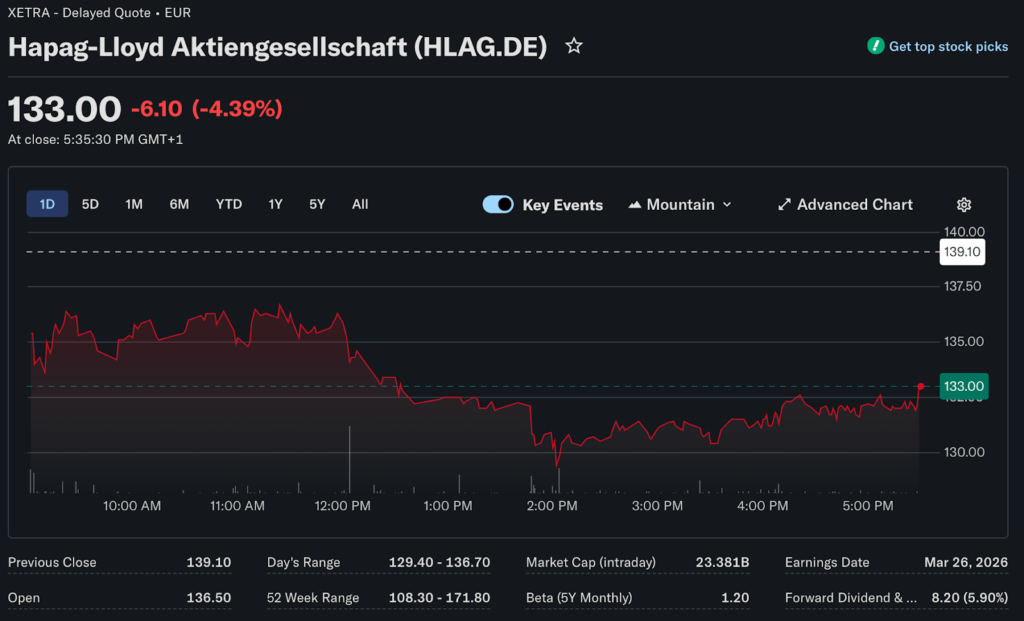
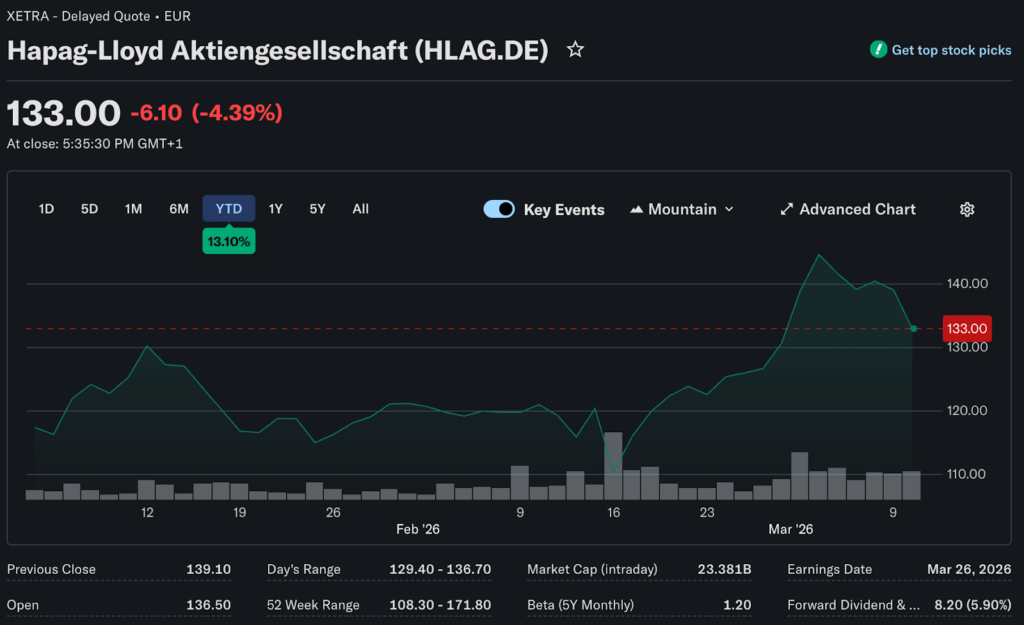
Shipping companies, including Hapag-Lloyd and CMA CGA, suspended all Hormuz transits. Vessel tracking showed minimal traffic continuing through the channel. Only Iranian and Chinese-flagged ships attempted passage.
Trading Dynamics
Algorithmic trading systems amplified the volatility throughout Sunday and Monday. Computer-driven strategies executed massive position adjustments within milliseconds. Human traders struggled to keep pace with machine-driven price swings.
Options markets saw implied volatility reach levels unseen since the pandemic. Traders paid enormous premiums for downside protection on energy exposure. The derivatives pricing suggested expectations for continued chaos.
Energy Secretary Misstep
US Energy Secretary Chris Wright posted on social media, claiming the Navy had escorted a tanker through the strait. The White House Press Secretary quickly contradicted this statement. No such escort had occurred.
Oil prices initially fell on Wright’s post before the correction emerged. The episode highlighted how sensitive markets had become to any signals about Hormuz reopening. Traders desperately sought confirmation of normal operations resuming.
Historical Context
Analysts compared the situation to the 1980s tanker war during the Iran-Iraq conflict. However, that episode involved direct naval escorts and mine-clearing operations. The 2026 closure resulted primarily from insurance withdrawal.
Previous worst-case scenarios had anticipated physical blockades or mining operations. The insurance-driven shutdown caught policymakers unprepared. Traditional military responses offered limited solutions to commercial risk assessment.
Alternative Route Economics
Tankers rerouting around Africa faced three-week delays and significantly higher costs. Fuel consumption for the extended voyage added millions per shipment. Charter rates for available vessels surged on sudden demand shifts.
Pipeline alternatives offered only partial relief from the crisis. The combined capacity of alternate routes couldn’t match Hormuz throughput. Bottlenecks emerged at loading terminals not designed for such volumes.
Japan’s refiners requested government stockpile releases on March 6. The country imports 95% of crude from Persian Gulf producers via Hormuz. About 70% of Middle Eastern oil reaches Japan through the Strait.
Forward Outlook
The International Energy Agency scheduled an extraordinary meeting for March 10. Member states discussed possible emergency stockpile releases. Over 30 advanced economies coordinated response planning.
Market participants remained skeptical about the sustainability of lower prices. One analyst stated the sharp Monday decline reflected “a lot of optimism” rather than fundamental improvements. Physical supply remained constrained regardless of presidential statements.


