
The aviation sector experienced a notable shift in market sentiment this week following a definitive statement from one of the nation’s primary legacy carriers regarding potential consolidation.
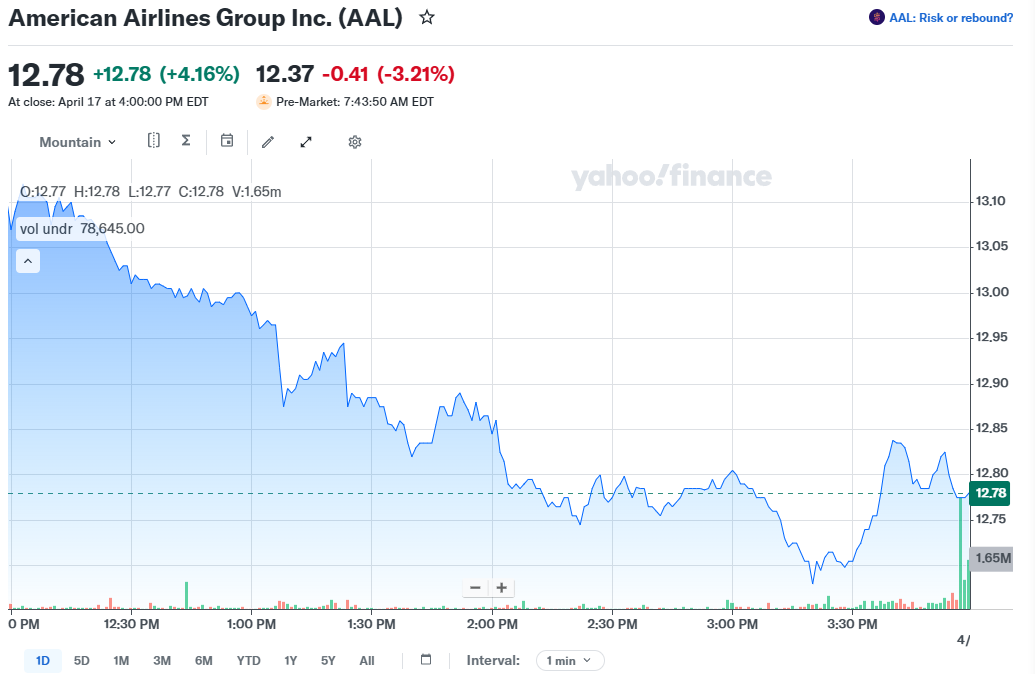
After a period of intense speculation involving a possible tie-up between two of the industry’s most prominent players, the proposal appears to have reached a significant stalemate. According to investment researchers from Marbrisse, the decision to dismiss these high-level discussions has prompted a 3% decline in premarket trading for the company’s stock, reversing the upward momentum seen during the broader market rally at the end of last week.
The Strategic Rejection Of Market Consolidation
The official dismissal of the deal came shortly after the market close on Friday, as the airline sought to provide clarity to its shareholders and the public. In a formal communication, the company emphasized that it was not currently participating in, nor was it interested in, any dialogue regarding a merger with its primary rival.
The core of the refusal rested on the belief that such a combination would be inherently detrimental to both market competition and the consumer experience. By citing the current federal administration’s philosophy toward the industry, the carrier indicated that a merger of this scale would likely be viewed as a violation of antitrust law.
While the airline acknowledged that the broader marketplace might eventually require structural changes, it maintained that a union with another major legacy player would create an imbalance that the legal and regulatory framework was not designed to support.
Evaluating The Potential For A Global Aviation Monopoly
The concept of the merger was initially floated by the leadership of the interested rival during high-level meetings earlier this year. The logic behind the proposal was centered on the idea that increased scale would allow a domestic entity to compete more effectively on outbound international routes, particularly those heading to the Middle East.
Currently, a significant portion of travelers heading to that region prefer regional carriers; proponents of the deal argued that a larger, unified airline could offer more comprehensive options to recapture that customer base.
However, the sheer size of the proposed entity remains the primary hurdle. If a deal were to materialize, it would result in the creation of the world’s largest airline, a prospect that immediately invited heavy scrutiny.
Data from industry firms like OAG suggests that the two carriers, alongside their two largest competitors, already control approximately 80% of domestic capacity.
A combination of these two specific giants would result in a single entity commanding nearly 40% of the domestic market share, effectively creating a monopoly that would likely face insurmountable challenges in a court of law.
Regulatory Perspectives And Asset Divestiture Requirements
Government officials have expressed a varied range of opinions on the matter, noting that while there is generally a favorable view toward large-scale corporate deals, the aviation sector requires a specific level of nuance.
The Department of Transportation has indicated that there is technically room for consolidation in the industry, but it has issued a stern warning regarding the larger legacy carriers.
Officials noted that any potential merger of this magnitude would require the companies to “peel off” significant portions of their assets to prevent the formation of a massive, uncompetitive infrastructure.
The primary concern for regulators is the impact on long-term pricing structures. A lack of competition in major hubs and on popular domestic routes would almost certainly lead to higher costs for passengers.
Legal scholars from institutions like Cornell University have suggested that this would represent the most significant merger attempt in history, with many experts stating that the chances of such a deal receiving judicial approval are virtually non-existent.
Strategic Direction For The Domestic Aviation Landscape
Despite the premarket volatility, the decision to step away from the negotiation table highlights a disciplined approach to risk management. The airline is clearly prioritizing its standing with regulators over the uncertain gains of a massive consolidation effort.
For those tracking the future expectations of the sector, the focus now shifts back to organic growth and the optimization of existing networks rather than transformative acquisitions.
As the industry moves forward, several upcoming catalysts will determine the success of this independent path. These include the management of rising labor costs, the integration of newer, more fuel-efficient aircraft, and the ability to maintain market share in the face of aggressive expansion by low-cost competitors.
While the stock may face short-term pressure following the rejection of the merger, the avoidance of a multi-year, costly legal battle over antitrust violations may provide a more stable financial trajectory in the coming years.
The industry continues to evolve under evolving conditions, where the balance between scale and competition remains the defining challenge for legacy carriers seeking to maintain their global relevance.


