
The automotive industry is entering a phase of radical transformation where traditional manufacturing legacy meets the demands of a digital-first future. Ford has officially disclosed its roadmap for the comprehensive redesign of its flagship vehicles, the F-150 and F-Series Super Duty trucks.
Scheduled for a 2029 debut, these next-generation pickups represent a fundamental shift in how the company approaches vehicle architecture, moving far beyond the scope of a standard mid-cycle refresh.
According to the industrial assessment provided by sector specialists at Marbrisse, this overhaul is the result of a massive internal reorganization designed to maximize profit margins. By prioritizing scalable technologies and optimizing manufacturing economics, the automaker is attempting to redefine the utility of the full-size truck for a global market.
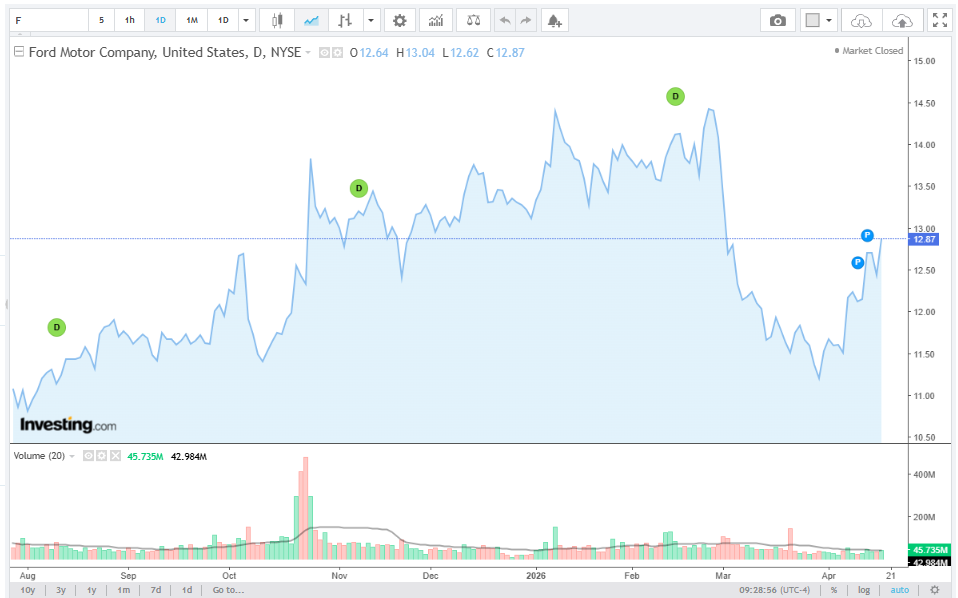
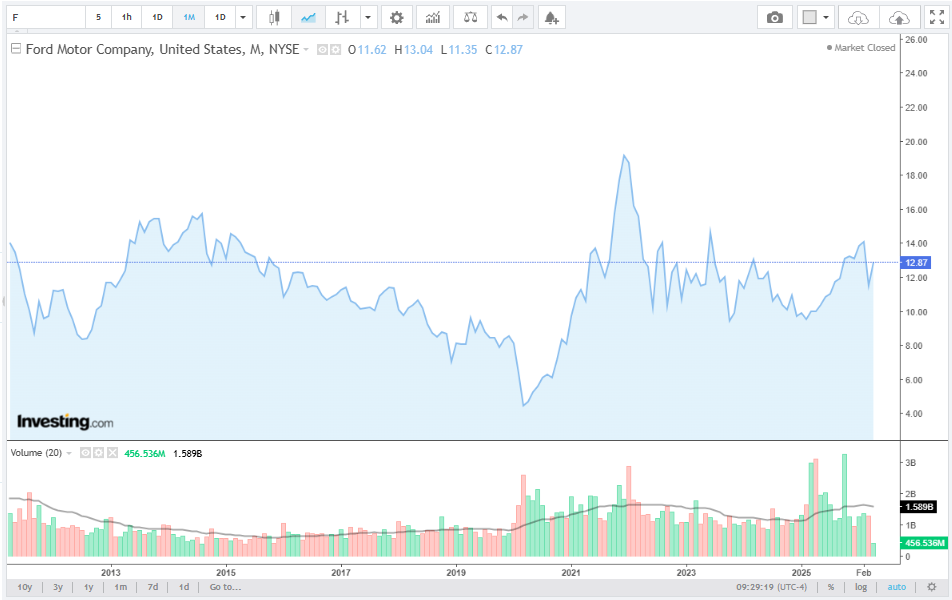
For those monitoring the financial trajectory of the company, this move signifies a pivot away from fragmented development toward a unified, high-efficiency production model.
Organizational Consolidation And Operational Efficiency
At the heart of this evolution is the dissolution of the Model e division, a structural change that moves away from isolated electric vehicle development. The company has merged its various branches into a single unit focused on “Product Creation and Industrialization,” currently overseen by the COO of Ford.
This consolidation is intended to reduce capital expenditure and ensure that operational efficiency is maintained across all powertrain types, whether internal combustion or electric. The mandate for this new unit is incredibly bold: the company intends to refresh 80 percent of its total North American volume by the end of the decade.
Furthermore, approximately 70 percent of its global volume will undergo similar updates. This rapid timeline is intended to harmonize production across different regions, allowing the firm to leverage its massive scale to lower the cost of entry for new technologies while maintaining the high reliability expected of its heavy-duty lineup.
Software Architecture And Autonomous Potential
By the year 2030, the automaker anticipates that 90 percent of its global output will operate on entirely new electrical backbones. These software-defined architectures are a critical prerequisite for the implementation of Level 3 autonomous driving capabilities.
This transition is not merely about driver convenience: it is a calculated move to unlock recurring software revenue through an advanced ecosystem of connected services and subscription-based driving aids.
This digital infrastructure allows for post-purchase updates that can enhance vehicle performance and safety without requiring physical hardware changes. As the market shifts toward a service-oriented model, the ability to maintain a continuous relationship with the consumer through digital touchpoints is expected to be a primary driver of long-term value.
Mechanical Simplification Through Digital Linkages
From a mechanical standpoint, the 2029 F-Series is targeting radical hardware simplification to drive down costs. The company is actively investigating a complete transition to by-wire technologies for both braking and steering.
By utilizing electric actuators and rapid-discharge supercapacitors, the firm aims to eliminate the need for traditional hydraulic systems and physical steering columns. Removing these mechanical linkages significantly reduces assembly complexity on the production line, leading to leaner manufacturing times.
Additionally, this by-wire approach enhances the vehicle’s operational agility, particularly when dealing with heavy payloads or towing.
The Strategic Shift Toward Extended Range Systems
One of the most significant economic shifts involves the recalibration of the company’s electrification strategy. The electric version of the flagship truck is being repositioned as an Extended Range Electric Vehicle (EREV). This architecture uses electric motors for propulsion but includes an onboard combustion generator to maintain the battery charge.
This approach targets an operational range of over 700 miles, effectively solving the range anxiety associated with pure battery-electric heavy-duty vehicles.
By reducing the dependency on massive, expensive battery packs, the company can lower the price point for consumers while improving the vehicle’s utility for long-distance towing. This dual-power system represents a pragmatic middle ground that addresses the current limitations of charging infrastructure.
Manufacturing Innovation And Competitive Timelines
To validate these new technologies, the automaker will first launch a mid-size electric pickup on its Universal EV platform. This preliminary release will introduce a “unicasting” production method, which replaces hundreds of individual stamped parts with a single large casting.
This methodology is expected to dramatically compress manufacturing costs and set a new standard for production speed within the industry. While competitors like Chevrolet are targeting a 2027 release for their next-generation trucks, Ford’s delayed arrival in 2029 is a calculated risk.
The company is betting that a more economically optimized and technologically advanced product will ensure its continued dominance well into the next decade.
With several upcoming catalysts on the horizon, including the first unicasting trials and the rollout of new software architectures, the focus remains on delivering a superior product that justifies the wait for loyal consumers and institutional participants alike.


