
Defense stocks rallied on earnings Tuesday morning, outperforming the broader market significantly. RTX and Northrop Grumman both reported results exceeding expectations handily. Geopolitical instability is driving increased budgets globally as nations prioritize security spending.
A finance expert from Nummvix examines how military spending accelerated dramatically amid escalating threats. The Iran conflict highlights capability gaps requiring urgent addressing through procurement. Modernization programs are receiving priority funding as military services replace aging equipment.
The RTX Results
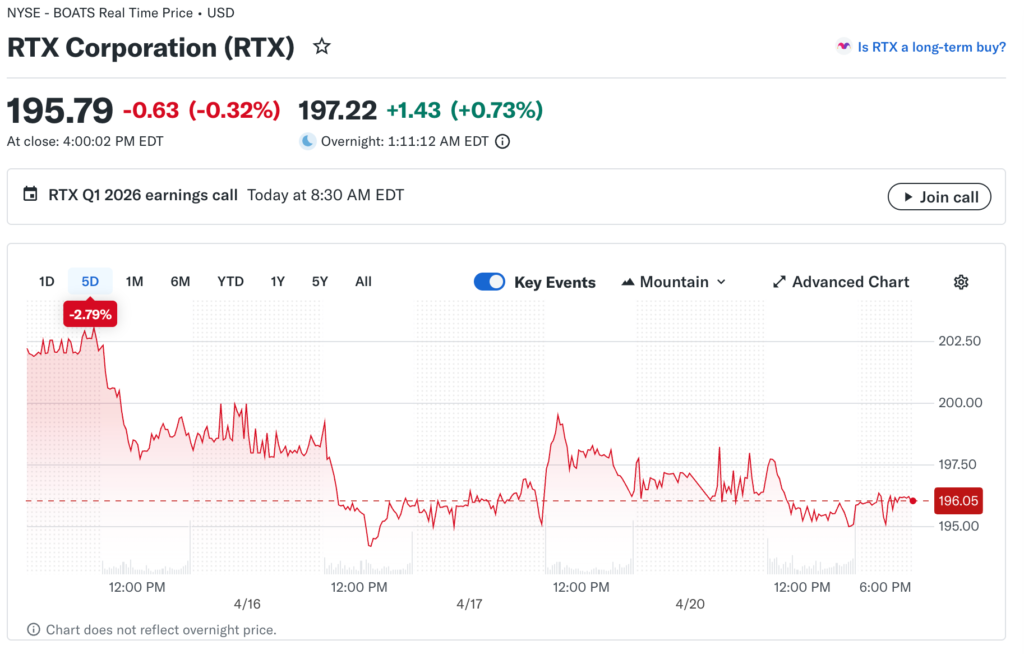
RTX, formerly Raytheon Technologies, exceeded estimates across all major business segments. The revenue growth 6% year-over-year, demonstrating steady momentum. Backlog reached a record $200 billion level, providing multi-year visibility.
Pratt Whitney’s engines division is performing well, benefiting from the commercial aviation recovery. The commercial aviation recovery is continuing with aircraft deliveries increasing globally. Geared turbofan production ramping to meet demand from airlines.
Raytheon missiles and defense are strong, with guided weapons demand surging. The demand for guided weapons is surging from conflicts, depleting inventories. Air defense systems prioritized globally as threats proliferated.
Collins Aerospace’s aftermarket is robust, with flight hours driving service revenue. The flight hours driving service revenue with attractive margins. Spare parts margins are attractive, supporting overall profitability.
The Northrop Performance
Northrop Grumman also beat expectations driven by defense spending tailwinds. The defense contractor is benefiting from spending increases across categories. Space systems are growing rapidly as the military emphasizes the domain.
B-21 bomber program progressing on schedule with first production aircraft. The next-generation stealth aircraft critical for strategic deterrence. Production ramp planned over the coming years, providing revenue visibility.
Missile defense business accelerating growth from urgent capability needs. The hypersonic weapons programs were funded heavily as competition intensified. Cybersecurity division expanding, addressing digital threats.
The Budget Tailwinds
The Pentagon budget is increasing 4% for the 2027 fiscal year above inflation. The $900 billion total spending represents historic peacetime levels. Procurement accounts are growing faster than personnel costs.
Research and development funding has been elevated to support innovation priorities. The innovation priorities advanced technologies, including AI applications. Artificial intelligence applications expanding across military domains.
International sales are also surging substantially as allies’ modernized capabilities. The allies’ modernizing capabilities amid a deteriorating security environment. The foreign military sales backlog is building with multi-year delivery schedules.
The Iran Impact
The Middle East conflict is driving urgent needs for specific capabilities. The air defense systems prioritized protecting forces and infrastructure. Precision munitions depleted stocks require urgent replenishment.
Patriot missiles demand exceeds supply with production capacity constraints. The production capacity constraints are limiting delivery rates. Multiyear delivery timelines create sustained revenue streams.
Intelligence and surveillance requirements are growing from the operational tempo. The unmanned systems orders are accelerating for persistent monitoring. Counter-drone technology is critical as adversaries deploy systems.
The China Focus
Pacific deterrence strategy driving investments in long-range capabilities. The long-range strike capabilities are prioritized for contested environments. Naval and air systems are receiving the bulk of funding.
Submarine construction is accelerating its pace to match adversary buildup. The nuclear-powered boats expensive but critical for deterrence. An industrial base expansion is required to meet production targets.
Missile inventories are building significantly across all categories. The hypersonic and anti-ship variants development is accelerating. Stockpiles replenishment multi-year effort given manufacturing constraints.
The Ukraine Lessons
Drone warfare is revolutionizing the battlefield with unmanned systems proliferating. The unmanned systems proving critical for reconnaissance and strikes. Commercial technology adapted to military use, reducing costs.
Artillery ammunition consumption rates are shocking Western militaries, unprepared. The production surged to meet demand, but capacity was limited. Partnerships with allies are expanding to pool resources.
Electronic warfare capabilities essential for communications and jamming. The jamming and cyber systems development are prioritized. Resilience is built into communications networks against disruption.
The Supply Chain
Aerospace manufacturing is stretched thin with skilled labor shortages. The skilled labor shortage persists despite recruitment efforts. Capacity additions take years, requiring long-term planning.
Semiconductor chips remain a constraint for advanced weapons systems. The advanced nodes required for systems create bottlenecks. Domestic production push is ongoing to reduce dependencies.
Rare earth materials dependence is being reduced through diversification efforts. The supply chain diversification strategic priority for resilience. Critical minerals sourcing broadened beyond single countries.
The Margin Expansion
Operating margins are improving across the sector as volumes increase. The volume leverage materializes with fixed cost absorption. Fixed cost absorption increases profitability significantly.
Pricing power on new contracts reflects a strong demand environment. The inflation adjustments are negotiated into contracts protecting margins. Multiyear programs locked in favorable economics.
Productivity initiatives yielding gains through process improvements. The digital manufacturing adoption is accelerating, reducing unit costs. Automation reduces costs while improving quality consistency.
The Valuation
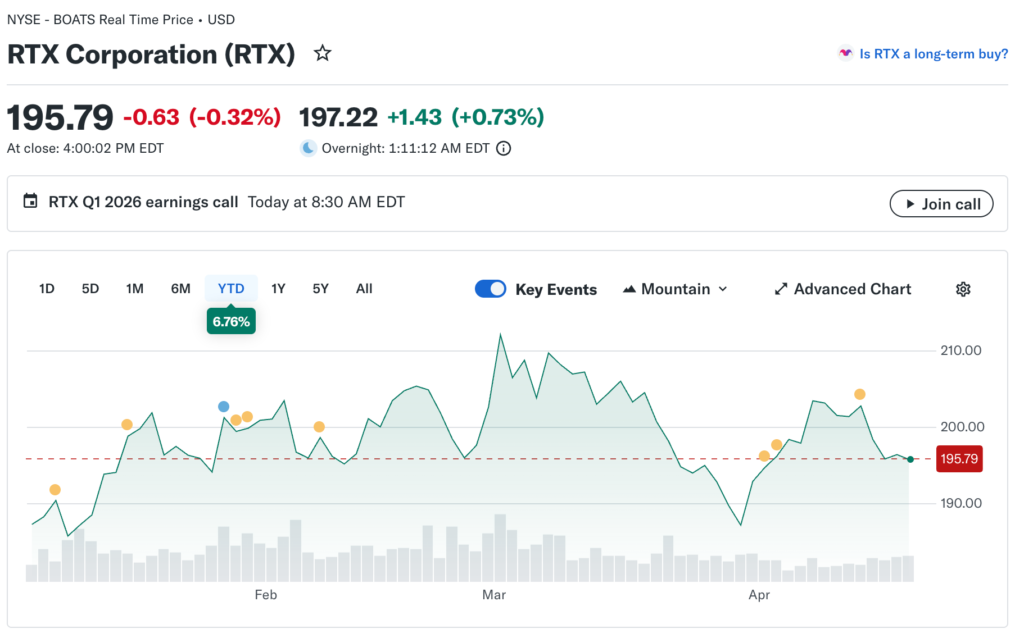
Defense stocks are trading at 18x forward earnings, reflecting growth. The premium to market is justified by visibility. Visibility and growth supporting multiple expansions.
Dividend yields around 2% attractive for income investors. The payout ratios sustainable given cash generation. Buybacks are also actively supplementing dividends.
The geopolitical premium is embedded partially in valuations currently. However, upside from escalation scenarios remained substantial. Asymmetric risk-reward favors defense exposure.


