
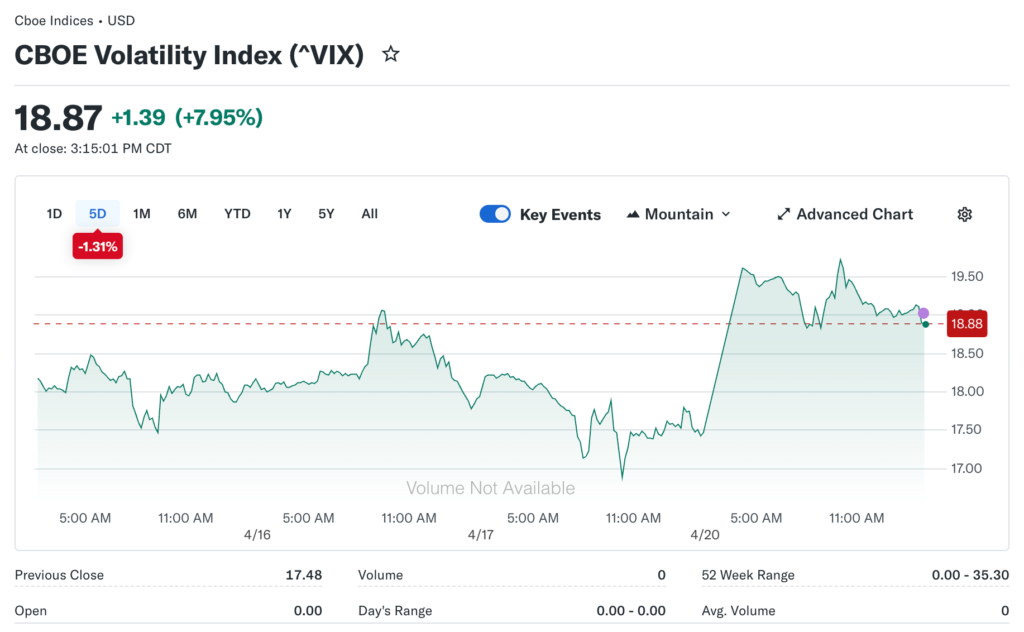
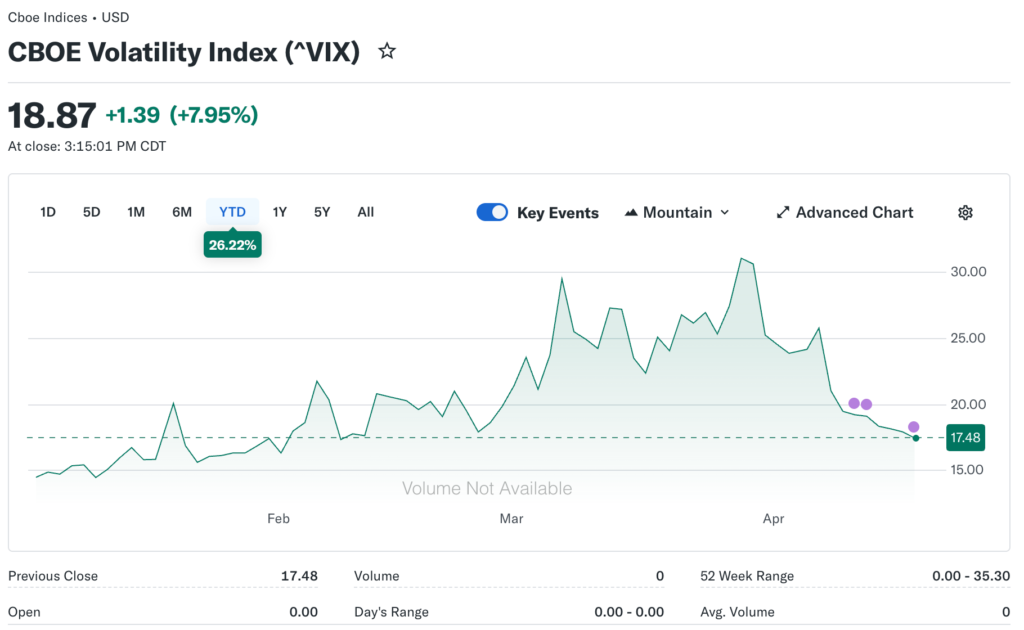
Volatility surged on Tuesday as markets digested conflicting signals from economic data, corporate earnings, and geopolitical developments, creating whipsaw price action. The VIX fear gauge climbed above the 19 level, indicating heightened anxiety among options traders about potential downside risks. Small-cap stocks are particularly sensitive to swings as the Russell 2000 index experienced wider percentage moves than large-cap benchmarks, reflecting liquidity differences.
Analysts from Nummvix examine how market volatility reflects underlying uncertainty about economic trajectory, monetary policy path, and geopolitical stability rather than fundamental deterioration. Option prices incorporated elevated premiums for downside protection as institutional investors hedged portfolios against tail risks. The dispersion between individual stock movements increased substantially as company-specific factors mattered more than broad market trends, creating challenges for index-focused strategies.
The VIX Dynamics
Volatility index measurements derived from S&P 500 options prices show investors willing to pay substantial premiums for protection against market declines. The term structure of volatility remained elevated across timeframes, suggesting concerns extended beyond immediate events. Historical volatility lagged implied volatility, indicating markets are pricing higher future turbulence than recently experienced.
Realized moves in major indices stayed below implied levels, creating profits for options sellers, though the risk of sharp moves remained. The intraday swings increased markedly even when daily closing changes appeared modest on the surface. Gap risk from overnight developments, particularly geopolitical news, created hedging challenges for market participants.
Correlation among stocks elevated during volatility spikes as broad risk-on and risk-off sentiment overwhelmed individual security analysis. The diversification benefits within equity portfolios diminished when correlations approached one during stress periods. Sector rotation accelerated as investors shifted exposures rapidly based on changing macro views and sentiment.
The Small-Cap Struggle
The Russell 2000 underperformed large-cap indices as smaller companies faced greater challenges from higher interest rates and economic uncertainty. The index constituents typically carried more leverage, making them sensitive to financing costs and credit availability. Earnings growth for small-caps lagged larger peers as scale disadvantages became more apparent in a competitive environment.
Liquidity constraints in small-cap stocks amplified price swings as large orders moved markets disproportionately. The institutional ownership is lower than that of large-caps, meaning a less stable shareholder base supporting prices. Analyst coverage sparse for many smaller companies, creating information asymmetries and valuation uncertainties.
Valuations for small-caps appeared attractive on traditional metrics, though elevated risk premiums justified discounts. The forward P/E ratios are significantly below large-cap multiples, reflecting growth concerns and execution risks. Merger activity could provide support as private equity and strategic buyers sought reasonably valued acquisition targets.
The Sector Divergence
Technology stocks continued leading the market with mega-cap names driving index performance, though breadth remained a narrow concern. The concentration risk in major indices increased as a handful of companies represented a substantial portion of market capitalization. Artificial intelligence enthusiasm sustained valuations despite questions about near-term monetization and competitive dynamics.
Energy names whipsawed with oil price movements, creating a challenge for investors trying to position for commodity direction. The integrated oils outperformed pure exploration companies as diversification provided stability. Renewable energy stocks underperformed traditional energy despite long-term transition themes, as near-term economics remained challenging.
Healthcare showed defensive characteristics as investors sought stability amid uncertainty, though regulatory risks created headwinds for certain subsectors. The pharmaceutical companies benefited from aging demographics, though drug pricing pressures constrained growth. Biotech remained volatile based on clinical trial results and FDA approval decisions, creating single-stock risk.
The Options Market
Put buying accelerated as investors sought downside protection without liquidating equity positions entirely. The cost of protection remained elevated, though many viewed insurance as worthwhile given uncertainties. Skew in options prices showed greater premiums for out-of-money puts than calls, indicating asymmetric risk perceptions.
Call selling strategies gained popularity as a way to generate income from elevated volatility while maintaining equity exposure. The covered call writing strategies worked well in range-bound markets, though capping upside participation. Spreads and defined-risk strategies allowed more precise risk management than outright options positions.
The Market Breadth
Advance-decline ratios showed deterioration with fewer stocks participating in rallies, raising concerns about market health. The new highs versus new lows spread narrowed from earlier periods of broad strength. Equal-weighted indices underperformed market-cap weighted versions, indicating large-cap leadership driving returns.
Participation rates among individual stocks declined, with many names flat or negative, even as major indices reached new highs. The sector rotation is frequent and inconsistent, making it difficult to maintain positioning. Small and mid-cap stocks are particularly lagging, creating valuation dispersion across the size spectrum.
The Forward Outlook
Analysts are forecasting continued volatility given numerous uncertainties, though the magnitude and direction are unclear. The potential catalysts for sharp moves abundant, ranging from policy surprises to geopolitical shocks. Positioning likely to remain fluid as investors adjust exposures rapidly based on developments.
Hedging costs expected to stay elevated, making portfolio protection expensive, though many viewing as necessary. The active management potentially adds more value than passive approaches during volatile periods. Selectivity is increasingly important as market breadth narrows and company-specific factors driving returns.


