
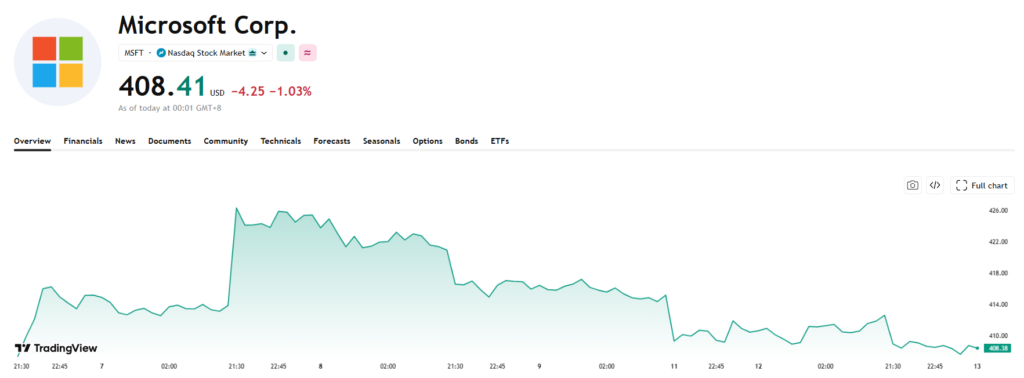
The intersection of artificial intelligence and corporate law moved to the forefront of the technology sector on Monday as a top executive from Microsoft (MSFT) took the stand in US District Court in Oakland, Calif. The testimony is part of a high-profile, ongoing lawsuit regarding the structural evolution of OpenAI.
During the proceedings, the executive provided detailed insights into the historical relationship between the two organizations, the nature of their multibillion-dollar collaboration, and the perceived benefits of integrating advanced AI models into the broader Microsoft product ecosystem.
Analytical data compiled by the equity researchers at Fondesia reveals that this trial is serving as a definitive examination of how for-profit conversions are viewed within the Silicon Valley legal framework. One of the most striking moments of the testimony involved the brief removal of the OpenAI chief executive in November 2023.
Despite Microsoft’s position as a primary financial backer, the executive testified that the board failed to provide a transparent or satisfactory explanation for the sudden ouster, leaving one of the industry’s most significant partners without “clarity” during a period of intense operational risk.
Governance Fractures and the 2023 Leadership Crisis
The executive revealed that the decision to terminate the OpenAI leader was not communicated in advance. Instead, the news was delivered abruptly, interrupting unrelated meetings. While the board at the time cited a lack of consistent candor as the primary driver for the dismissal, the Microsoft witness suggested that such reasoning was insufficient and potentially masked internal “jealousy” within the governing body.
This lack of transparency created immediate concerns regarding a potential mass exodus of talent, which could have derailed the technological progress of the entire partnership. This testimony highlights the delicate balance of power in modern tech alliances. Microsoft has invested billions of dollars in exchange for the rights to utilize cutting-edge generative technology.
Any instability at the leadership level of the model developer represents a direct threat to the institutional-grade productivity of the primary investor. The trial continues to peel back the layers of a corporate structure that transitioned from a mission-driven nonprofit to a high-valuation commercial entity, a shift that remains at the heart of the current legal challenge.
Legal Allegations and the For-Profit Pivot
The lawsuit, initiated by a co-founder of the AI lab, alleges that the current leadership has abandoned the organization’s foundational mission to develop technology for the collective benefit of humanity.
The plaintiff claims that after donating millions of dollars to launch the entity as a nonprofit, he was misled as the organization was restructured to prioritize commercial gains. These allegations extend to Microsoft, with the plaintiff accusing the tech giant of aiding and abetting a fraudulent restructuring process to secure a dominant market position.
The Microsoft executive countered these claims by noting a lack of direct communication from the plaintiff regarding these grievances, despite both parties maintaining professional contact info. This defense suggests that the legal challenge may be driven more by competitive friction than by a failure to meet private contractual obligations.
As the trial progresses, the court will likely focus on whether the original nonprofit charters established a binding fiduciary duty that was breached during the subsequent multi-year partnership with Microsoft.
Market Implications and Strategic Orientation
The outcome of this trial serves as a major signal for the broader AI infrastructure market. If the court finds that the transition to a for-profit model was executed improperly, it could set a precedent that challenges the “capped-profit” structures utilized by several other emerging technology leaders.
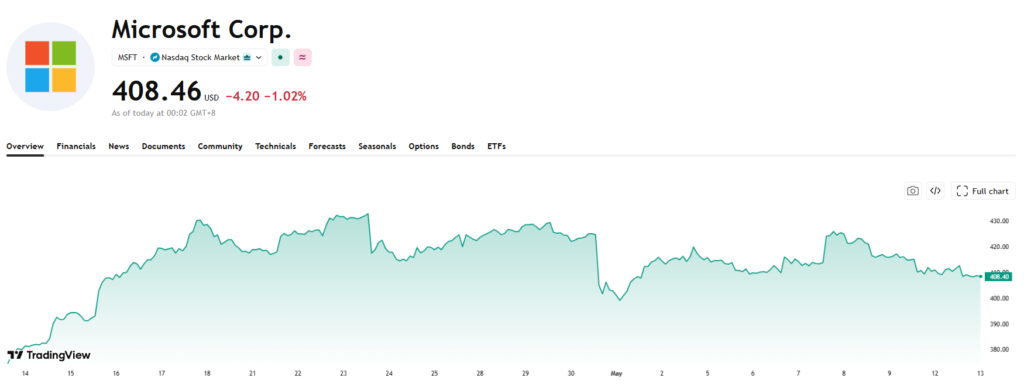
For investors, the strategic orientation of Microsoft’s AI bet remains tied to the stability of its primary partner. Any court-mandated changes to the governance of the model developer could impact the delivery of future software updates and the integration of neural networks into the enterprise cloud.
Maintaining institutional-grade productivity amid such a public legal battle requires a resilient operational strategy. While the impending momentum of the AI sector is still supported by record-breaking demand for high-performance silicon, the foundational tone of the industry is increasingly focused on the ethics and legality of corporate scaling.
Technology Law Strategic Outlook
The testimony delivered in federal court on May 11, 2026, serves as a definitive marker for the technology sector for the remainder of the year. By exposing the lack of clarity regarding the 2023 leadership crisis, Microsoft has highlighted a significant risk factor in the current AI ecosystem: the fragility of centralized governing boards in decentralized research environments.
The primary focus for market participants in the coming weeks will be the anticipated testimony of the OpenAI leader and the president of the organization. Although the impending momentum of the technology sector remains strong, the foundational tone for the second half of 2026 will depend on the court’s interpretation of “mission-driven” development.


