
The international currency markets are currently navigating a complex intersection of inflationary data and geopolitical instability. The Euro (EUR) has attempted to recover from its initial weekly losses against the US Dollar (USD), showing a degree of resilience after a weak opening session.
However, despite a rebound from daily lows, the pair remains constrained by a significant technical barrier. The broader market sentiment is being heavily influenced by the escalating tensions in the Middle East, which have cast a shadow over the prospects for a diplomatic resolution to the current conflict.
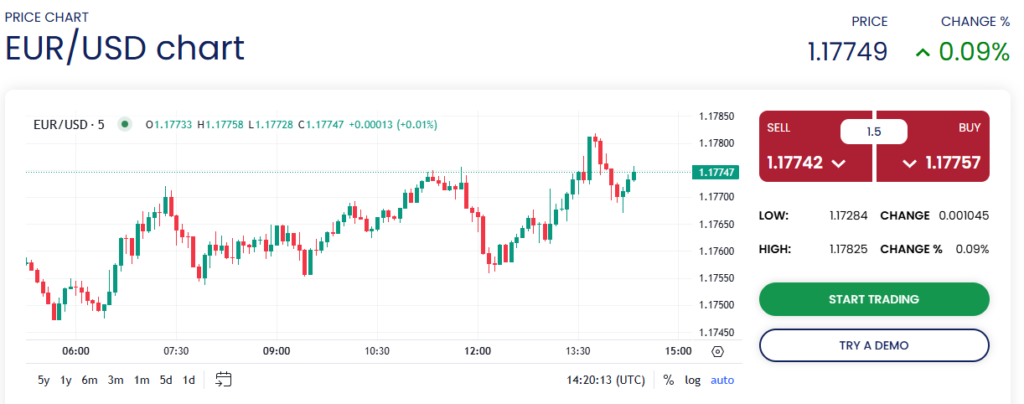
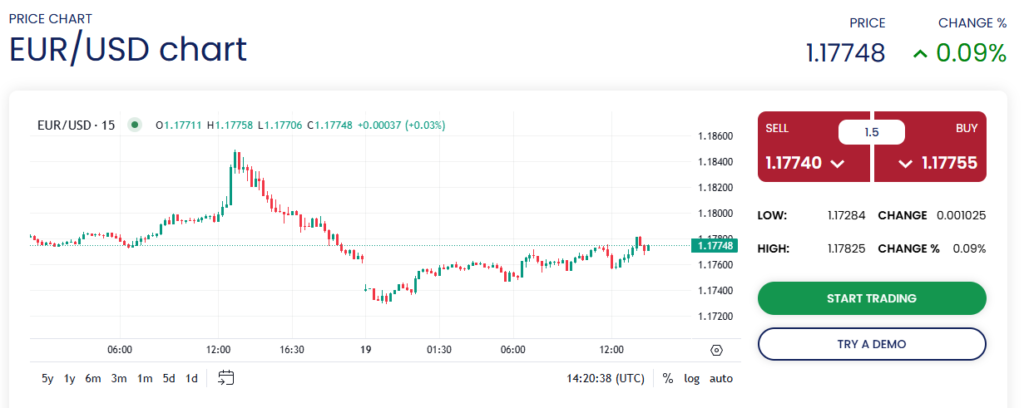
In a technical assessment provided by currency experts at Nummixo, the EUR/USD pair has returned to the 1.1760 area after testing daily lows near 1.1730. Despite this upward correction, the currency has failed to breach the previous support-turned-resistance zone at 1.1770.
For those monitoring the financial trajectory of the Eurozone, these evolving conditions suggest that the currency remains vulnerable to external shocks as investors weigh the potential for a prolonged disruption to global trade.
Geopolitical Headwinds And The Fragile Ceasefire
The primary catalyst for the current lack of risk appetite is the deteriorating situation between the United States and Iran. The recent seizure of an Iranian vessel by naval authorities has been viewed by many as a direct blow to the already frail ceasefire.
This development has introduced a new layer of uncertainty into the market, as financial participants pivot away from risk-sensitive assets in favor of the safety of the greenback. The prospect of a second round of peace talks, which were scheduled to commence next Tuesday, is now in significant doubt.
Adding to the tension, a spokesperson from the Iranian foreign ministry recently hinted that Tehran might withdraw from the upcoming diplomatic negotiations entirely. This potential withdrawal signals a hardening of stances on both sides, making a swift resolution of the maritime blockade increasingly unlikely.
Inflationary Pressures Within The German Economy
While geopolitics dominate the headlines, internal economic data from the Eurozone is providing its own set of challenges for policymakers. The German Producer Price Index (PPI) reported a staggering 2.5% monthly increase for March, marking the most aggressive acceleration since August 2022.
This institutional-grade economic data confirms that the war is exerting significant upside pressure on inflation, particularly through energy and wholesale costs. These figures align with the broader trend of rising consumer prices across several EU nations reported last week.
This surge in producer costs places immense pressure on the leadership of the European Central Bank (ECB) to accelerate its schedule for monetary tightening. With inflation risks now firmly skewed to the upside, the market is pricing in a higher probability of interest rate hikes in the coming months.
Technical Analysis: Resistance And Support Boundaries
From a technical perspective, EUR/USD is currently hovering just above the 1.1750 level. The aforementioned resistance at 1.1770, which served as a support floor during the middle of last week, is now acting as a ceiling for any bullish attempts.
Indicators on the 4-hour chart remain largely in bearish territory, with the Relative Strength Index (RSI) easing back toward the 50 level. This movement suggests that the bullish momentum seen during the recent recovery is beginning to wane, leaving the pair susceptible to another leg lower.
Furthermore, the negative readings in the (MACD) histogram indicate that directional pressure remains modestly skewed to the downside. Initial support is being identified between 1.1720 and 1.1740, which has so far blocked a deeper slide. Should this area fail to hold, the path would open toward the key support zone established near the April 13 low of 1.1680.
A breach of that level could expose the support trendline originating from late March, currently positioned at 1.1660, signaling a more profound shift in the longer-term positioning of the pair.
Conclusion And Future Trajectory
As the market prepares for the next round of geopolitical and economic headlines, the focus remains on capital preservation. The combination of supply-side inflation in Germany and the heightened risk of military escalation in the Middle East has created a volatile environment for currency traders.
While the Euro has shown some intraday strength, the lack of progress on the diplomatic front suggests that any rallies may be short-lived. With several upcoming catalysts on the horizon, including more detailed inflation reports and updates on the status of the maritime blockade, the strategic direction of the pair will likely be dictated by external events.
Market participants must remain vigilant as they navigate these evolving conditions, keeping a close eye on technical levels for signs of a more permanent trend shift. The ability of the Euro to eventually clear the 1.1770 resistance will be a critical indicator of its future expectations and its overall financial trajectory as the global economy moves deeper into the fiscal quarter.


