
Financial markets have recently experienced heightened volatility as energy prices surged and geopolitical tensions intensified across global markets. Despite the turbulence, analysts note that the broader economic outlook for the United States may remain relatively stable. Equity researchers at Rubizio explain that insights from Bank of America suggest the most important variable investors should monitor is not the geopolitical conflict itself but the trajectory of global oil prices.
Recent market reactions have been dramatic. Oil prices have surged sharply, equity markets have experienced selloffs, and concerns surrounding disruptions in major global shipping routes have rattled investor confidence. One of the most critical areas under scrutiny is the Strait of Hormuz, a narrow passage responsible for transporting roughly 20 percent of the world’s oil supply.
The key risk emerges only if energy prices rise significantly and remain elevated long enough to influence inflation and economic growth.
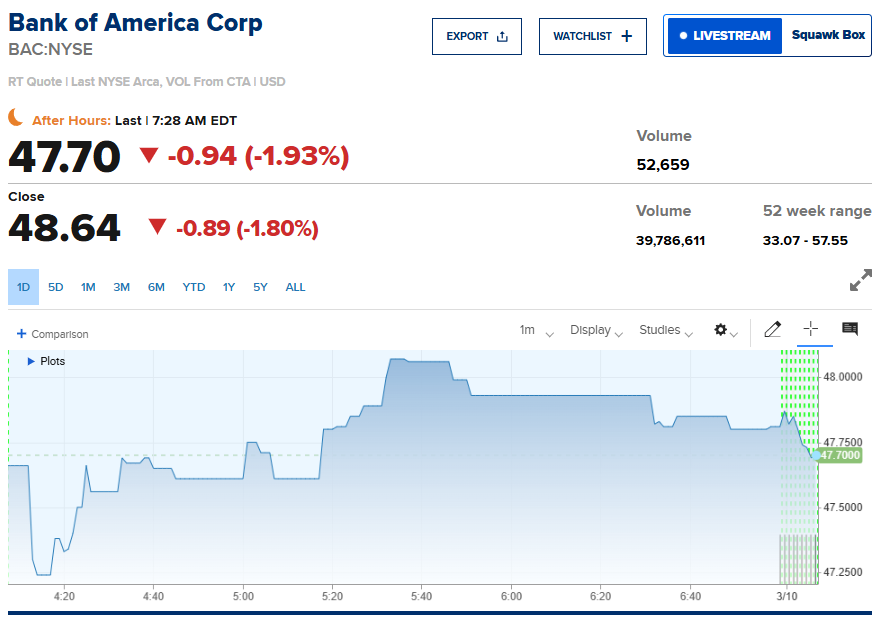
Bank of America Points to Oil as the Main Economic Transmission Channel
Economic strategists note that oil prices act as the primary mechanism through which geopolitical tensions affect the broader U.S. economy. When crude oil prices increase, the effects quickly ripple through consumer spending, corporate operations, and inflation expectations.
Research cited by Bank of America indicates that every $10 increase in crude oil prices may raise inflation by approximately 0.1 percentage points, while reducing economic growth by a similar amount. Under normal circumstances, economists consider such changes manageable.
However, the concern emerges when oil prices rise sharply and remain elevated for an extended period. Recent market movements showed Brent crude rising by roughly 10 to 13 percent, briefly pushing above $82 per barrel during recent trading sessions.
At these levels, the impact remains moderate. But analysts warn that significantly higher oil prices could alter the economic outlook more dramatically.
Global Energy Routes Remain a Key Risk Factor
The attention on oil prices stems largely from the vulnerability of key global supply routes. The Strait of Hormuz remains one of the most critical transportation channels for crude oil shipments worldwide.
If disruptions to this corridor were to intensify, energy markets could face a substantial supply shock. In more severe scenarios, market analysts estimate that crude oil prices could climb beyond $100 per barrel, a level that would introduce more significant inflationary pressure.
Higher energy prices affect the economy through several mechanisms. Rising fuel costs increase transportation expenses, raise production costs for businesses, and reduce disposable income for consumers.
When households allocate more income toward gasoline and utilities, discretionary spending often declines, which can gradually slow overall economic activity.
Implications for Inflation and Monetary Policy
Energy price movements are closely monitored by central banks because they directly influence inflation trends. Higher oil prices tend to push inflation upward at the same time economic growth may begin to slow.
This creates a complicated policy environment for central banks, particularly when inflation is already above target levels.
Recent economic data indicated that U.S. inflation was running near 2.4 percent, slightly above the 2 percent inflation target commonly referenced by policymakers.
If energy prices remain elevated, policymakers may hesitate to reduce interest rates until they are confident that higher fuel costs will not translate into broader inflation across the economy.
Market Scenarios Investors Are Watching
Financial analysts generally describe two potential scenarios that could shape the economic outlook.
In the first scenario, geopolitical tensions ease and energy supply disruptions remain limited. Oil prices stabilize as additional production capacity helps offset supply concerns. Under these conditions, the broader economic expansion could continue with only moderate disruption.
In the second scenario, tensions escalate and energy supply routes remain disrupted for a prolonged period. If oil prices move significantly above $100 per barrel, the resulting inflation pressure could complicate monetary policy decisions and weigh more heavily on economic growth.
Such a situation could create increased volatility across equity markets, bond yields, and currency movements.
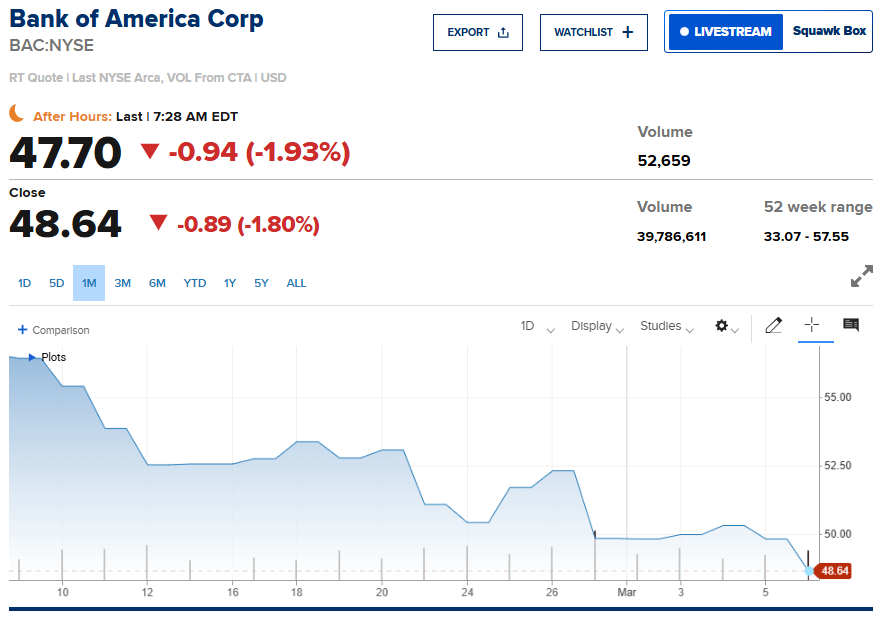
Bank of America’s Key Message to Investors
The central takeaway highlighted in Bank of America’s analysis is that investors should focus less on geopolitical headlines and more on the underlying economic variable that matters most: oil prices.
As long as crude oil remains within a manageable range, the U.S. economy may continue operating from a position of relative strength, supported by consumer spending, stable corporate earnings, and a resilient labor market.
However, if oil prices rise sharply and remain elevated, the economic equation changes. Inflation pressures could intensify, interest rate decisions could shift, and financial markets may experience greater volatility.
For investors assessing the current environment, Bank of America’s conclusion is clear: the geopolitical conflict itself is not the primary risk. The real risk lies in how high oil prices climb and how long they stay there.


