
The S&P 500 climbed 0.83% on March 9, 2026, after falling as much as 1.5% earlier. The dramatic reversal followed presidential comments suggesting the Iran war might conclude soon. The index erased intraday losses for the first time since April.
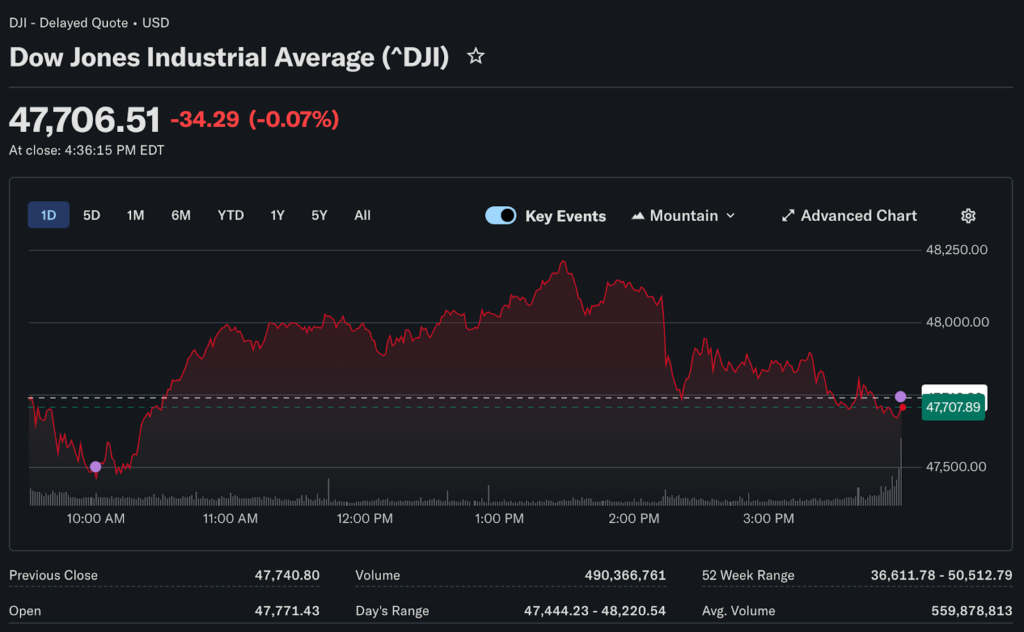
A senior broker at Nummvix analyzes the remarkable turnaround. The Dow Jones Industrial Average added 239 points or 0.50% to close at 47,740.80. The blue-chip benchmark recovered from being down nearly 900 points at session lows.
Morning Panic
Futures markets opened Sunday night with savage selling. Dow futures dropped over 600 points shortly after 6 pm ET. S&P 500 and Nasdaq 100 futures each lost approximately 1.5% initially.
Oil prices had surged past $100 per barrel during weekend trading. Some contracts briefly touched $120 amid fears about prolonged Strait of Hormuz closure. Energy market chaos infected equity futures overnight.
Opening Bell Bloodbath
Monday’s cash market opened deep in the red across all indices. The Dow fell nearly 900 points at its worst moment. The S&P 500 and Nasdaq each dropped roughly 1.5% from Friday’s close.
VIX volatility index spiked 8% to levels above 20. Fear gauge readings reflected genuine panic rather than moderate concern. Investors fled risk assets indiscriminately.
Presidential Comments
The US President told CBS News the conflict was “very complete, pretty much” around midday. He claimed Iran had “no navy, no communications, no Air Force” remaining. Markets interpreted this as signaling imminent conclusion.
The comments triggered immediate buying across asset classes. Oil futures reversed sharply lower. Equity indices began climbing from their session lows almost instantaneously.
Technology Leadership
NVIDIA gained approximately 2.7% after Morgan Stanley’s upgrade. The chipmaker benefited from AI optimism and improved market sentiment. Technology stocks led the afternoon recovery.
The Nasdaq Composite jumped 1.38% to settle at 22,695.95. This represented the strongest performance among major indices. Growth stocks showed the most sensitivity to shifting war narratives.
Live Nation Surge
Live Nation Entertainment jumped nearly 6% after the Department of Justice settlement. Goldman Sachs provided supportive commentary on the resolution. Event-driven winners attracted capital during the recovery.
The entertainment company resolved antitrust concerns that had pressured shares. Investors celebrated regulatory clarity. Strong concert demand supported optimistic forecasts.
Energy Reversal
Crude oil plunged from $120 peaks back toward $87 by late Monday. The $33 collapse represented one of history’s sharpest single-day moves. Physical fundamentals hadn’t changed, but sentiment shifted violently.
Energy sector stocks gave back earlier gains as crude retreated. Exxon and Chevron fell from morning highs. The whipsaw demonstrated challenges of momentum-based energy trading.
Airline Recovery Attempt
Airline stocks reduced losses but remained deeply negative. Delta closed down 4.59% despite recovering from worse earlier levels. United finished 6.44% lower after being down over 8% at one point.
Cruise lines also pared losses without turning positive. Carnival, Royal Caribbean, and Norwegian each remained down 6-7%. Fuel cost concerns persisted despite oil’s retreat.
Defense Stock Pause
Defense contractors moderated gains as a war-ending narrative emerged. Northrop Grumman and Lockheed Martin both reduced earlier advances. Investors recalibrated expectations for munitions demand.
However, defense stocks still closed positively for the session. The sector maintained outperformance versus the broad market. Geopolitical risks remained elevated regardless of near-term resolution hopes.
Bond Market Response
10-year Treasury yields halted a five-day increase following the equity recovery. Yields had climbed steadily as war premiums built into rates. The reversal suggested some risk premium unwinding.
Longer-duration bonds showed even more pronounced moves. 20-year and 30-year yields both declined from recent highs. Flight-to-quality flows reversed as panic subsided.
Volatility Collapse
The VIX index retreated from elevated levels by market close. Fear gauge readings moderated as equity prices recovered. Options markets repriced tail risk scenarios.
However, volatility remained elevated versus pre-war levels. Traders maintained hedges against renewed escalation. The situation remained highly fluid despite one positive session.
Historical Context
The market erased an intraday 1.5%+ loss for the first time since April. Such dramatic reversals typically occur during extreme uncertainty. Previous examples included pandemic responses and financial crisis episodes.
Technical analysts noted the recovery validated key support levels. The S&P 500 bounced precisely from areas that had provided prior resistance. Chart patterns suggested resilience despite severe testing.
Skeptical Voices
Many analysts questioned the sustainability of the rally. One strategist noted markets showed “a lot of optimism” despite minimal fundamental change. Physical oil supply remained constrained regardless of presidential statements.
The Strait of Hormuz had not actually reopened. Shipping companies still avoided the transit route. Insurance markets remained frozen despite equity market euphoria.
Week in Review
The Dow recorded its worst weekly decline since April 2025. The benchmark fell by over 5% across five trading days. Monday’s recovery only partially offset accumulated losses.
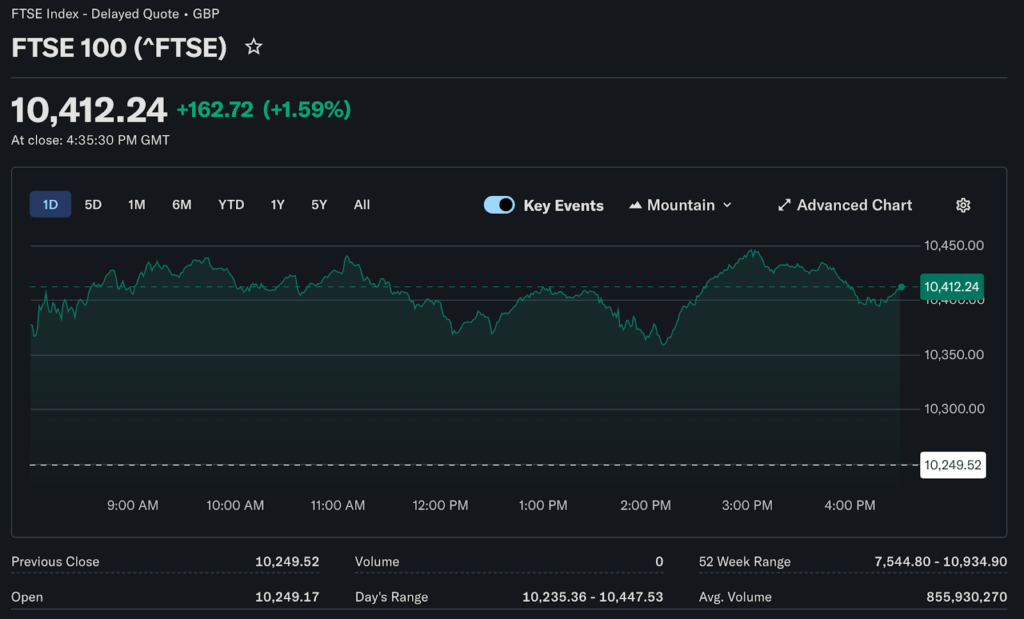
The S&P 500 remained below prior week levels despite the strong finish. The FTSE 100 in London had dropped 5.75% for its worst week in eleven months. Global markets remained fragile.
Forward Outlook
Investors awaited concrete evidence of the war’s conclusion. Presidential statements alone couldn’t resolve the crisis without tangible progress. Shipping resumption and oil flow restoration would provide validation.
The market demonstrated extreme sensitivity to narrative shifts. Any reversal of war-ending optimism could trigger renewed selling. Traders positioned for continued volatility regardless of Monday’s recovery.


