
The global semiconductor industry is entering a new phase of geopolitical tension as export restrictions continue to reshape the flow of advanced computing technology. Market analysts at Winseterra examine how Nvidia’s decision to stop producing certain chips designed for the Chinese market highlights the growing uncertainty surrounding international semiconductor trade.
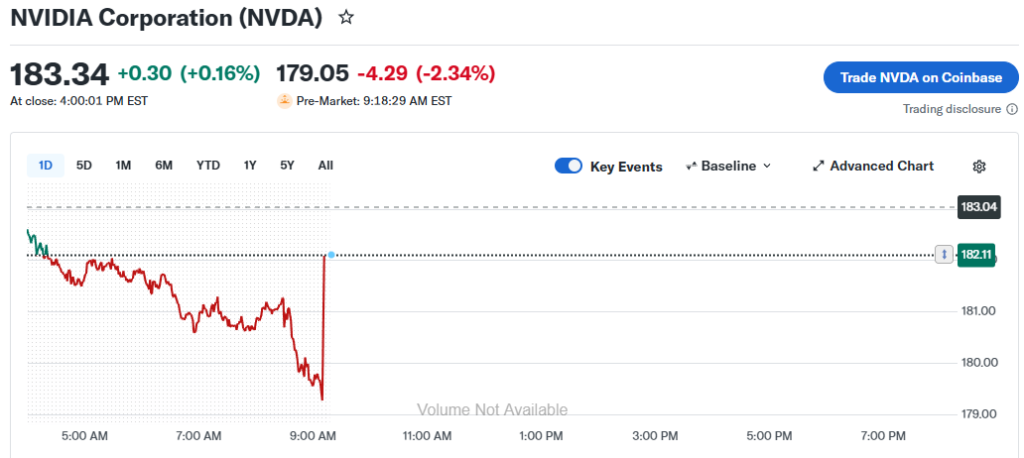
Recent reports indicate that Nvidia has halted production of H200 artificial intelligence processors that were originally intended for Chinese customers. The company has instead redirected manufacturing capacity toward its next-generation Vera Rubin chip architecture, signaling a strategic shift as regulatory hurdles complicate sales into China.
The move underscores how technology companies are adapting their supply chains as government restrictions increasingly influence the global semiconductor market.
Regulatory Barriers Reshape Chip Production Strategy
Nvidia’s decision reflects months of uncertainty surrounding export approvals and potential restrictions affecting the sale of advanced processors to Chinese customers.
The H200 chip was designed as a modified AI processor intended to comply with export controls that limit the performance capabilities of semiconductors sold to certain markets.
However, evolving regulations and unclear approval timelines have made it difficult for Nvidia to proceed with large-scale production aimed at China.
As a result, the company has reportedly redirected production resources at Taiwan Semiconductor Manufacturing Company, the world’s largest contract chip manufacturer, toward newer technologies that are experiencing stronger demand from Western technology firms.
This shift allows Nvidia to focus its manufacturing capacity on products with clearer market access and fewer regulatory uncertainties.
Vera Rubin Architecture Gains Priority
The manufacturing shift is expected to accelerate production of Nvidia’s Vera Rubin AI chip platform, which represents the company’s latest generation of high-performance processors designed for advanced artificial intelligence systems.
These chips are intended to support complex computing workloads used by large technology firms developing machine learning models, data processing platforms, and cloud-based AI services.
Demand for these advanced processors remains extremely strong among major technology companies that are investing heavily in artificial intelligence infrastructure.
By reallocating manufacturing resources, Nvidia may be able to increase deliveries of its newest processors to global clients developing large-scale AI systems.
Production Halt Signals Limited Near-Term China Sales
The decision to halt H200 production suggests that Nvidia expects limited near-term demand from Chinese buyers under the current regulatory environment.
The company had previously anticipated orders exceeding 1 million units from Chinese customers once approvals were finalized.
Suppliers had already begun preparing manufacturing lines capable of supporting large shipment volumes earlier this year.
However, the approval process for exporting these chips appears to have slowed significantly, creating uncertainty around whether shipments would be permitted.
Company executives have acknowledged that although small quantities of H200 processors received approval for export, no significant revenue has yet been generated from those sales.
Existing Inventory Could Cover Limited Demand
Despite halting new production, Nvidia has already manufactured approximately 250,000 H200 processors, according to reports from industry sources.
If only limited export approvals are granted in the future, this existing inventory could be sufficient to satisfy potential demand without requiring additional manufacturing capacity.
This stockpile provides the company with flexibility while it monitors regulatory developments affecting semiconductor exports.
Industry analysts note that maintaining inventory during periods of regulatory uncertainty can allow companies to respond quickly if restrictions ease.
However, production lines that remain idle for extended periods can also create inefficiencies across the semiconductor supply chain.
Semiconductor Trade Tensions Continue to Shape Global Markets
The situation highlights the growing role of geopolitical considerations in the semiconductor industry.
Advanced processors are increasingly viewed as strategic technologies due to their importance in artificial intelligence, high-performance computing, and national security applications.
Governments around the world have introduced export controls and industrial policies aimed at strengthening domestic semiconductor industries while limiting access to advanced technology by geopolitical competitors.
These policies have created significant challenges for global technology companies that rely on international supply chains to manufacture and distribute advanced hardware.
The Future of the Global AI Chip Industry
Despite regulatory uncertainty, demand for advanced artificial intelligence processors continues to grow rapidly.
Technology companies around the world are investing heavily in data centers capable of supporting machine learning applications and next-generation computing platforms.
This demand is expected to keep the global semiconductor industry operating near capacity as firms race to develop faster and more efficient processors.
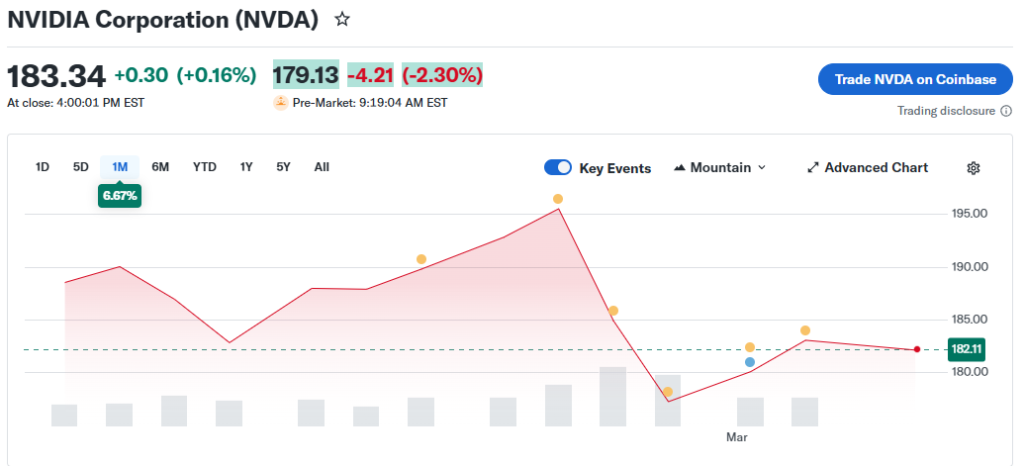
For Nvidia, the decision to prioritize newer chip architectures may help maintain its leadership position in the rapidly evolving AI hardware market.
However, the episode also illustrates how government policies are becoming a defining factor in the global semiconductor industry, influencing everything from manufacturing strategies to international technology partnerships.
As geopolitical tensions continue to influence technology trade, semiconductor companies may increasingly need to adapt their production strategies to navigate an evolving regulatory landscape.


