
The global semiconductor industry is entering another period of strategic adjustment as artificial intelligence demand continues reshaping supply chains. Developments surrounding NVIDIA Corporation have drawn particular attention after reports indicated that the company has halted production of its China-targeted H200 artificial intelligence chips and redirected manufacturing capacity toward next-generation AI hardware.
The move highlights the growing complexity of operating within a semiconductor industry increasingly influenced by geopolitical restrictions, export controls, and technological competition. Reports suggest that Nvidia has paused output of the H200 AI accelerator chips intended for the Chinese market, while production resources at Taiwan Semiconductor Manufacturing Company (TSMC) have been reassigned to support the company’s upcoming Vera Rubin architecture, a platform expected to power the next generation of AI computing infrastructure.
Industry observers say the decision illustrates how leading chip manufacturers are adapting their product strategies in response to shifting global regulations and accelerating AI demand. Equity researchers at Rubizio note that such adjustments reflect the strategic recalibration taking place across the semiconductor sector as companies reposition their manufacturing priorities to stay competitive in the rapidly evolving AI hardware race.
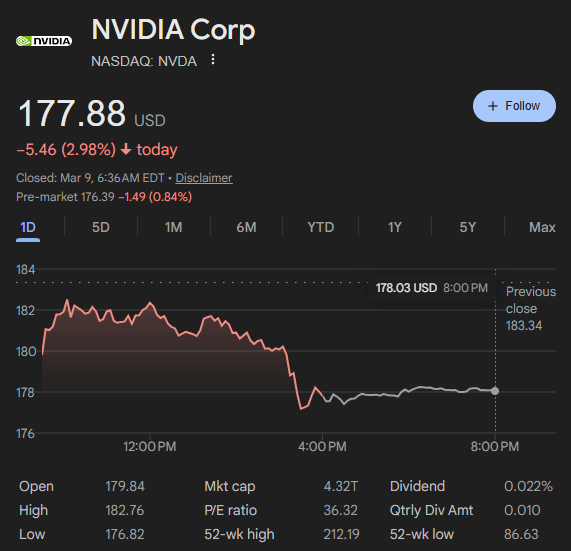
Semiconductor Supply Chains Continue to Shift
The semiconductor sector has undergone rapid transformation over the past several years as artificial intelligence applications generate unprecedented demand for high-performance computing chips. Nvidia has been at the center of this expansion, supplying graphics processing units that power many of the world’s largest AI models and data centers.
However, export restrictions and geopolitical developments have forced companies to carefully manage which products can be sold in certain markets. The H200 chip, which represents Nvidia’s second-most advanced AI accelerator, was designed to deliver powerful computing capabilities while remaining within regulatory guidelines governing technology exports.
Reports now indicate that production of those chips destined for China has been paused as Nvidia shifts focus toward its next generation of artificial intelligence hardware. Manufacturing capacity at TSMC, one of the world’s largest contract chip producers, is reportedly being redirected toward the Vera Rubin platform, a new architecture expected to support future AI data center infrastructure.
Nvidia Continues to Attract Strong Analyst Support
Despite adjustments to its production strategy, investor confidence in Nvidia remains strong. On March 3, analysts at Wedbush increased their price target for Nvidia shares to $300, up from $230, while maintaining an Outperform rating on the stock.
The upgrade reflects growing optimism surrounding Nvidia’s data center business, which continues to benefit from surging demand for artificial intelligence computing power. Nvidia’s most recent earnings results highlighted strong growth in the data center segment, a division that has become one of the largest drivers of the company’s revenue expansion.
Analysts noted that guidance for fiscal Q1 2027 sales stood out as a particularly important component of Nvidia’s forward outlook. According to market expectations, continued expansion in AI infrastructure spending could sustain strong demand for advanced GPUs and specialized AI processors.
AI Infrastructure Expands Toward Future Networks
Beyond chip development, Nvidia has also announced broader initiatives designed to shape the future of global communications infrastructure. The company recently revealed plans to collaborate with several major technology and telecommunications organizations to support the development of next-generation 6G wireless networks.
The initiative includes partnerships with companies and research organizations such as Cisco, Ericsson, Nokia, Deutsche Telekom, SoftBank, and T-Mobile, among others. The goal is to build communications networks that integrate artificial intelligence directly into network architecture, creating more intelligent and adaptive digital ecosystems.
According to Nvidia, future 6G platforms will rely heavily on AI-driven computing systems capable of managing massive data flows and billions of connected devices.
The Expanding Role of AI Computing
The broader vision behind these initiatives reflects a growing belief across the technology sector that artificial intelligence will become embedded within nearly every layer of digital infrastructure.
Nvidia has described future networks as the foundation for “physical AI,” a concept where intelligent machines interact directly with the physical world through sensors, robotics, and automated systems.
This transformation would require enormous increases in computing power and data processing capacity, reinforcing the importance of high-performance GPUs and AI accelerators.
Industry analysts note that as billions of connected devices generate real-time data, demand for advanced computing hardware will continue expanding rapidly across industries such as manufacturing, logistics, transportation, and telecommunications.
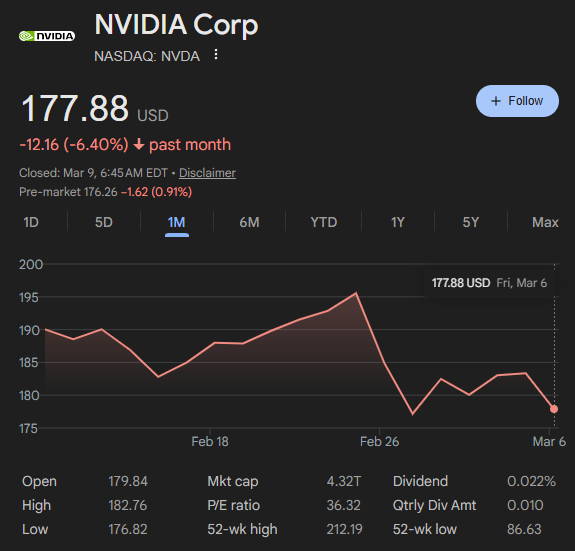
The Battle for AI Dominance Intensifies
Looking ahead, Nvidia’s decision to redirect manufacturing capacity toward its next-generation architecture highlights the rapid pace of innovation within the semiconductor industry. Companies are competing aggressively to develop more powerful chips capable of supporting increasingly complex artificial intelligence models.
At the same time, global export controls and supply chain considerations continue influencing how advanced technologies are produced and distributed.
For investors and technology analysts, the key question will be whether Nvidia can maintain its leadership position in the global AI chip market while adapting to evolving regulatory conditions.


