
Global energy markets experienced a sharp jolt this week as crude oil climbed beyond the critical $100 per barrel level, fueled by intensifying tensions across the Middle East and growing disruptions affecting global supply routes. Energy experts at Rubizio have been closely monitoring these developments, noting that geopolitical shifts and logistical constraints are rapidly tightening conditions in the energy market.
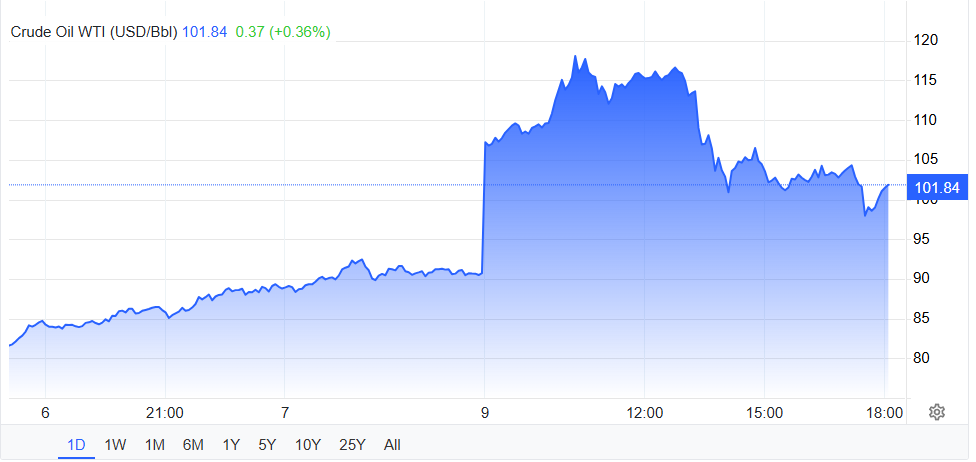
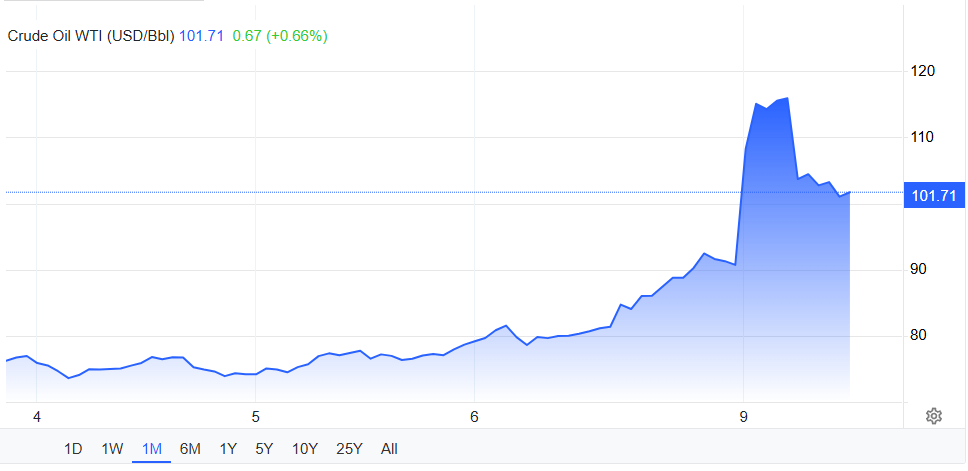
Oil traders began the week facing heightened volatility as prices accelerated after multiple supply interruptions were reported among key producing nations. The international benchmark Brent crude rose roughly 15 percent to about $106 per barrel, after briefly touching an intraday high close to $119.50. At the same time, West Texas Intermediate (WTI) advanced to around $102, indicating strong upward pressure across crude markets..
According to brokers from Altiryus, the surge in prices reflects the alignment of several powerful market forces. Escalating geopolitical risk, disruptions to important shipping routes, and precautionary output reductions from Middle Eastern producers have collectively tightened available supply within a short period.
Middle East Conflict Disrupts Global Energy Routes
The rapid rally in oil prices is strongly connected to the expanding conflict in the Middle East, which has begun influencing key infrastructure and transportation routes that support global energy distribution.
One major area of concern is the Strait of Hormuz, a narrow maritime channel responsible for transporting roughly 20 percent of the world’s crude oil supply. Any interruption within this critical corridor quickly alarms global markets because of the enormous daily volume of oil that travels through it.
Energy strategists emphasize that even brief disruptions to this shipping route can create major supply distortions. When oil shipments slow or stop, refineries across the world face immediate shortages, forcing traders to compete aggressively for available cargo.
Technical indicators also reveal a noticeable shift in market sentiment. After prices crossed above $100, algorithmic trading systems and momentum-based investment funds increased their buying activity, amplifying the rise in oil futures prices.
Production Cuts Amplify Supply Tightness
In addition to transport disruptions, several major Middle Eastern producers have started trimming production as storage facilities fill due to delayed exports.
Reports indicate that Kuwait and the United Arab Emirates have already begun lowering output, while Iraq initiated production shut-ins earlier in the week. These adjustments are largely precautionary steps taken in response to logistical bottlenecks caused by restricted export routes.
At the height of Monday’s volatility, Brent crude surged nearly 29 percent during intraday trading, while WTI jumped approximately 31 percent, highlighting how sensitive oil markets remain to sudden supply disruptions.
Market analysts estimate that regional shut-ins could rise to more than 4 million barrels per day if storage capacity continues tightening. Such a reduction would represent a significant portion of global supply considering that the Middle East collectively produces about one-third of the world’s crude oil output.
Governments Consider Strategic Reserve Releases
With energy prices climbing rapidly, several global economies are now evaluating emergency measures designed to stabilize markets. Finance ministers from the Group of Seven (G7) are reportedly discussing a coordinated release of crude oil from national strategic reserves.
Any potential action would likely involve coordination with the International Energy Agency, which has historically overseen emergency supply releases during major energy disruptions.
Strategic reserve releases can temporarily introduce additional supply into the market, helping ease immediate price spikes. However, energy economists caution that such interventions typically provide only short-term relief if geopolitical risks continue to threaten global supply chains.
Ripple Effects Across Global Energy Markets
The surge in crude prices is already spreading into other areas of the energy sector. Natural gas futures rose more than 4 percent, while refined fuels such as diesel and heating oil have also experienced notable gains.
Several governments across Asia have already started preparing defensive measures to protect domestic markets from rising energy costs. Authorities in China have reportedly directed leading refining companies to halt shipments of diesel and gasoline abroad, ensuring that available fuel supplies remain within the country.
At the same time, South Korean policymakers are examining the possibility of introducing temporary fuel price controls, a form of market intervention that has not been seriously considered in almost thirty years.
Outlook: Energy Markets Brace for Continued Volatility
Looking ahead, analysts expect oil markets to remain highly sensitive to developments across the Middle East. As long as disruptions continue along critical shipping routes, crude prices are likely to maintain a strong geopolitical risk premium.
Market participants are currently focusing less on production capacity and more on whether oil can physically reach international markets. Even when producers maintain output levels, logistical obstacles can effectively remove supply from the global system.
The oil market remains on high alert. The combination of geopolitical tensions, transportation disruptions, and production adjustments has created a fragile environment where prices may continue responding sharply to every new development.


