
A junior financial expert at Marbrisse analyzes crude oil’s biggest weekly gain in futures trading history. West Texas Intermediate jumped 35% over five trading days, the largest increase since oil futures launched in 1983.
WTI crude settled Friday at $90.90 per barrel, up 12.2% for the session. Brent crude climbed 8.5% to $92.69. Both benchmarks breached the $90 threshold for the first time since 2023 as the Iran conflict showed no signs of resolution.
The Strait of Hormuz remained closed to tanker traffic throughout the week. Qatar’s Energy Minister warned Persian Gulf exporters will shut down production “within days” if conditions persist. Approximately 20% of the global oil supply flows through this critical waterway.
Energy Stocks Print Money
Oil companies delivered the only positive returns during Friday’s brutal market sell-off. Exxon Mobil gained more than 1%, while Chevron posted similar gains. Occidental Petroleum surged 3.3% as investors rotated into energy exposure.
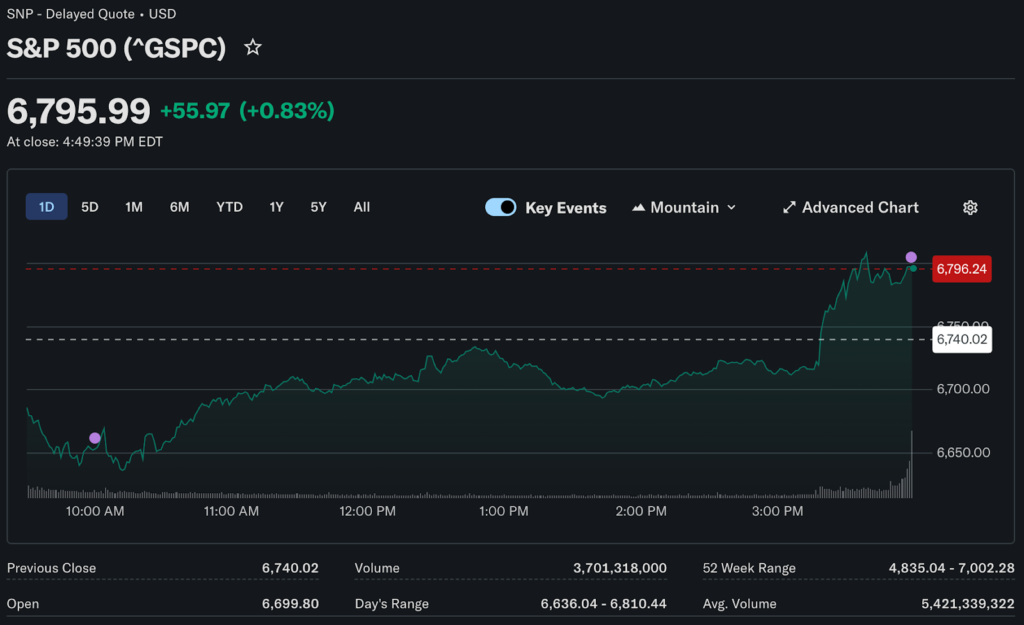
The S&P 500 fell 1.7% for the week, posting its worst performance since October. Energy became the sole sector offering shelter from the broader carnage. CF Industries climbed 5% Friday, hitting a fresh 52-week high and putting it on pace for a record close.
Week-to-date, CF Industries shares surged approximately 17%. Intrepid Potash jumped 9%, also hitting a 52-week high with gains likely to tally almost 17% for the week. Nutrien shares added 2%, though the stock rose only 1% week-to-date.
Supply Disruption Reality
The US president’s demand for Iran’s “unconditional surrender” eliminated any near-term hopes for a diplomatic resolution. Military strikes continued, destroying Iran’s naval capacity, communications infrastructure, and air force capabilities. That escalation guaranteed supply disruptions would persist.
Major Middle East producers began cutting output because tankers can’t pass through the Strait. Oil storage tanks filled rapidly as production outpaced the ability to transport crude to refineries. Some producers contemplated shutting wells entirely until shipping routes reopen.
US crude oil surged past $100 per barrel Sunday evening in electronic trading. WTI rose 11.73% to $101.56, while Brent jumped 9.84% to $101.81. The psychology shifted from temporary disruption to prolonged crisis.
Airlines Get Crushed
Jet fuel prices soared alongside crude oil, devastating airline stocks. United Airlines tumbled nearly 4% after CEO Scott Kirby said the fuel price spike will have a “meaningful” impact on first-quarter results. Delta Air Lines lost 4%, while Southwest Airlines dropped 6%.
Cruise operators Norwegian and Carnival each fell approximately 6%. Any business dependent on petroleum distillates faced immediate margin compression. The speed of the oil price increase gave companies no time to hedge or adjust operations.
US oil futures climbed more than 34% for the week. Jet fuel and diesel, both petroleum distillates, followed crude prices higher. Airlines faced the choice between absorbing massive losses or passing costs to customers through higher fares.
European Pain Intensifies
European markets suffered worse than US exchanges because Europe depends more heavily on Middle East oil imports. The pan-European Stoxx 600 headed for a 4.6% weekly loss, its deepest since last April during US-China trade war fears.
The US produces enough oil domestically to cushion some impact from supply disruptions. The shale revolution transformed America into the world’s largest oil and natural gas producer. European countries lack similar resources and face more severe price shocks.
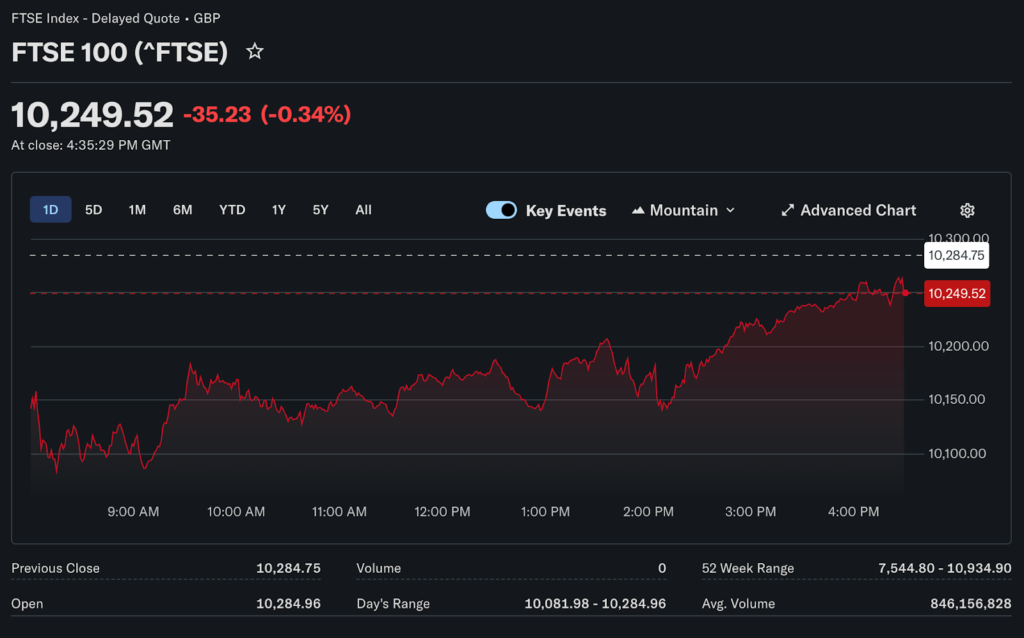
London’s FTSE 100 fell 1.2% Friday. The German DAX led earlier gains with a 0.6% rise, though those advances faded. The French CAC 40 and Italian FTSE MIB posted modest gains but couldn’t sustain momentum.
Inflation Expectations Surge
The oil spike reignited inflation fears that had only recently started cooling. Higher energy costs flow through the entire economy, raising prices for transportation, manufacturing, and countless other sectors. The Federal Reserve’s job fighting inflation just became exponentially harder.
Market-based inflation expectations ticked higher, particularly for shorter time periods. Higher inflation expectations typically correlate with rising Treasury yields. The 10-year yield climbed to 4.16% despite weak employment data that normally pushes yields lower.
The US dollar acted as a safe haven during the week’s turmoil. That surprised some analysts who predicted dollar weakness. But oil gets priced in dollars, so investors moving into crude simultaneously moved into greenbacks.
Long-Term Implications
Oil above $100 per barrel becomes economically destructive if sustained. High energy costs slow consumer spending, reduce corporate profits, and complicate central bank policy. The Federal Reserve can’t cut rates to stimulate growth while inflation accelerates due to oil.
Qatar’s warning about shutting production “within days” suggests supply could tighten further. If Persian Gulf producers actually halt output, oil could spike toward $120 or higher. That scenario pushes major economies into recession.
Geopolitical risk premiums got permanently repriced higher this week. Markets previously ignored Middle East tensions, assuming conflicts would resolve quickly. The current situation demonstrated how rapidly assumptions can prove catastrophically wrong. Energy security concerns will dominate policy discussions for years ahead.


