
West Texas Intermediate (WTI) oil price remained relatively calm on Friday, hovering around $95.50 per barrel during European trading hours. This stability follows announcements by Australia and Japan regarding the release of fuel reserves, aimed at easing supply disruptions stemming from escalating tensions in the Middle East, particularly around Iran.
Despite the geopolitical uncertainty, the market response has been muted, reflecting a combination of strategic reserve releases and careful monitoring by the International Energy Agency (IEA). In this article, the brokers at Winseterra share their expertise and offer a detailed analysis of the topic.
Australia to Release 762 Million Litres of Fuel
Australia’s Energy Minister Chris Bowen confirmed that the country will release up to 762 million litres of fuel from strategic reserves. This move comes after the government eased minimum stockholding requirements, reducing them by up to 20%, to stabilize domestic fuel supplies.
The release is intended to mitigate supply chain disruptions linked to the ongoing Iran conflict, which has affected oil transport routes and contributed to volatility in global crude markets. By providing additional domestic fuel supply, Australia aims to ensure continuity for both industrial and consumer sectors.
Market analysts note that while this release will provide short-term relief, the global oil market remains highly sensitive to geopolitical developments in the Strait of Hormuz, through which a significant portion of Middle Eastern crude passes.
Japan’s Strategic Oil Release: 80 Million Barrels
Japan announced a major release from its strategic petroleum reserves, totaling approximately 80 million barrels, equivalent to about 45 days of supply. Japan depends on the Middle East for roughly 95% of its oil imports, with nearly 90% of shipments transiting the Strait of Hormuz, a critical chokepoint effectively controlled by Iran.
Prime Minister Sanae Takaichi stated that Japan’s release, starting March 16, will be coordinated with the Group of Seven (G7) nations and the IEA. The initiative is designed to mitigate global supply shocks caused by regional conflicts and ensure stable energy security for the Japanese economy.
This coordinated release reflects broader international efforts to maintain oil market stability, signaling the importance of strategic reserves as a tool to counteract supply chain disruptions caused by geopolitical events.
Market Implications of Reserve Releases
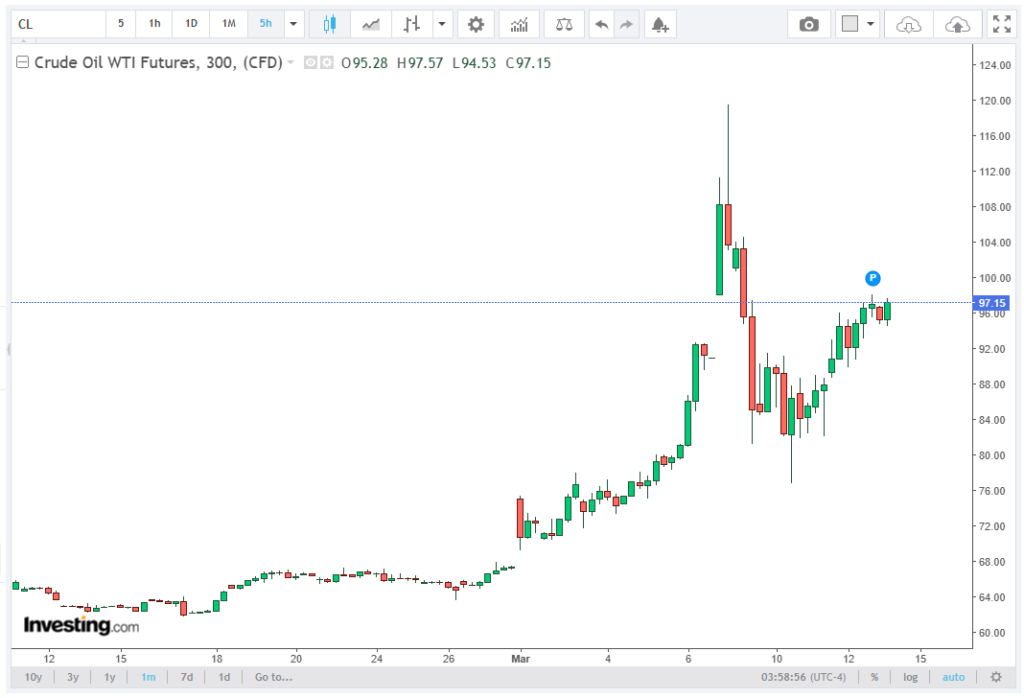
While the release of reserves by Australia and Japan has provided temporary relief, oil prices may remain under pressure. Analysts emphasize that the Strait of Hormuz closure could trigger renewed volatility. The United States, Israel, and Iran remain central to escalating tensions, and any further disruption could undermine efforts to stabilize WTI prices.
Since the onset of the conflict, US crude prices have surged more than 40%, reflecting the largest supply disruption in the history of the global oil market, according to the IEA. The report highlighted concerns that prolonged geopolitical instability could limit the effectiveness of strategic reserve releases, particularly if regional chokepoints remain inaccessible.
Geopolitical Drivers: Iran’s Role
The recent statements by Iran’s Supreme Leader, Mojtaba Khamenei, underscore the persistent geopolitical risks. Khamenei described the potential closure of the Strait of Hormuz as a “tool to pressure the enemy” and threatened that all US military bases in the region should be shut down or face possible attacks.
These developments highlight the vulnerability of global oil supply chains to geopolitical events. The combination of military escalation and strategic chokepoints like the Strait of Hormuz can have immediate effects on crude prices, energy inflation, and commodity markets worldwide.
Technical Analysis: WTI Price Stability
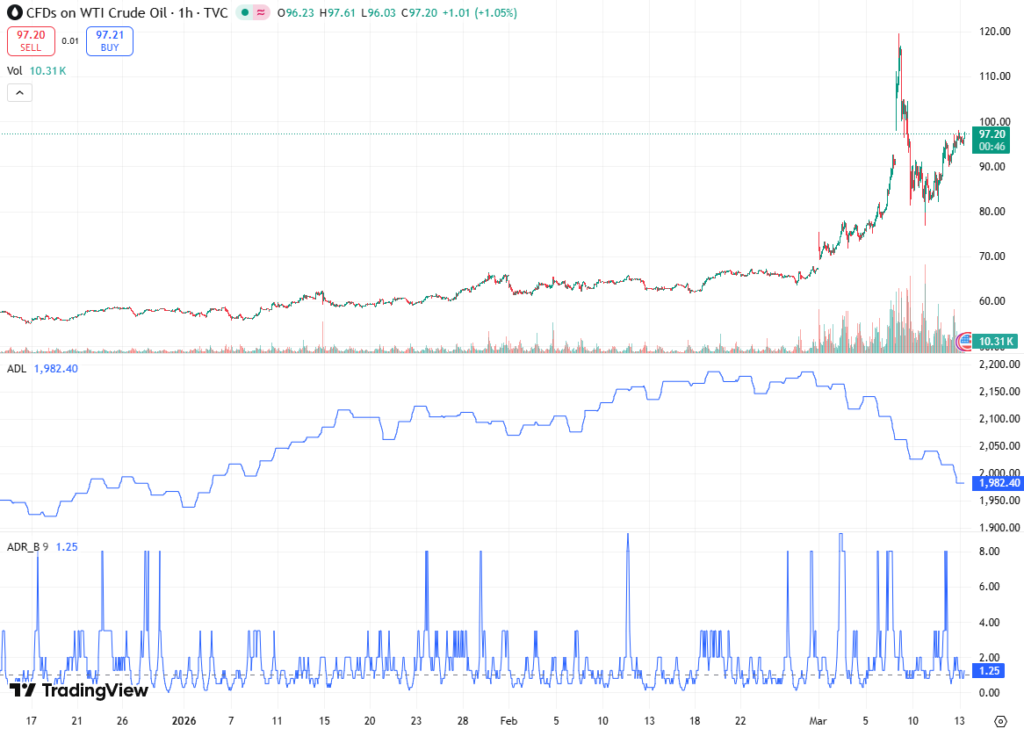
WTI futures have maintained a narrow trading range near $95.50–95.60 per barrel, reflecting cautious investor sentiment. While the Asian and European sessions showed limited price movement, the market remains alert to potential shocks from Middle East conflict escalation or further strategic reserve adjustments.
Key technical indicators suggest that support levels for WTI lie near $94.50 per barrel, while resistance may be encountered around $98.00 per barrel if tensions continue to affect supply. Traders are monitoring inventory reports, refinery utilization rates, and OPEC+ output decisions as additional signals to gauge price direction.
Conclusion: Balancing Supply Relief and Geopolitical Risk
The releases of fuel reserves by Australia and Japan represent proactive measures to mitigate short-term supply disruptions and stabilize WTI crude prices. However, the underlying geopolitical risk in the Middle East, particularly around Iran and the Strait of Hormuz, continues to pose a significant threat to market equilibrium.
Investors and analysts are emphasizing a dual approach: leveraging strategic reserves to ensure immediate supply and closely monitoring international conflict developments that could rapidly escalate oil market volatility. While the WTI price has hovered near $95.50, the market’s sensitivity to geopolitical events, energy security policies, and global trade flows suggests that volatility may persist in the coming weeks.


