
The Japanese yen may be entering a period of gradual recovery as shifting monetary policy expectations, rising domestic bond yields, and evolving capital flow dynamics begin to reshape global currency sentiment. Analysts note that long-standing assumptions about Japan’s ultra-loose policy stance are fading, creating conditions for a more balanced outlook.
According to forex analysts at Yureplex, structural adjustments in interest rate policy and improving investor demand could support a steady strengthening trend over the coming year.
Market participants increasingly view policy normalization, stronger yield differentials, and reduced reliance on carry trade financing as key drivers that may influence the currency’s trajectory in the months ahead.
Policy Expectations Begin To Shift
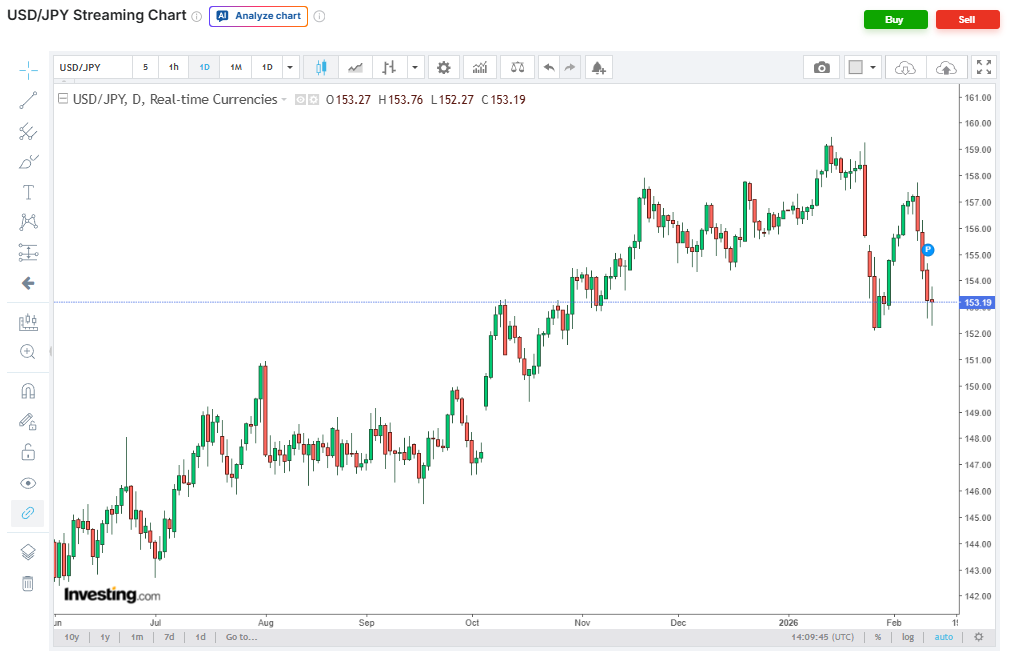
The yen experienced notable weakness following last year’s leadership transition in Japan, largely because investors anticipated that monetary policy would remain highly accommodative for an extended period. During that phase, the currency pair surged sharply, opening near 149.11 after previously closing around 147.70, highlighting strong speculative positioning against the yen.
However, sentiment has shifted as policymakers signaled a willingness to gradually move away from ultra-dovish measures. Central bank officials have maintained a firmer tone regarding inflation stability and long-term financial conditions, reinforcing expectations that policy normalization will continue.
These developments have prompted investors to reassess earlier assumptions that Japan would indefinitely maintain exceptionally low interest rates compared to global peers.
Rising Bond Yields Support Currency Stability
Another significant factor supporting the yen’s outlook is the steady rise in domestic government bond yields. Higher yields tend to increase currency attractiveness by improving return potential for investors holding local assets.
Policy adjustments introduced in March 2024 marked an important shift, as authorities refocused their framework toward short-term interest rates while allowing market forces to guide longer-term borrowing costs. This transition encouraged greater flexibility in bond pricing and contributed to stronger demand for domestic financial instruments.
The normalization process has also supported increased foreign investment into Japanese debt markets, strengthening the currency’s underlying demand profile.
Carry Trade Dynamics Begin To Evolve
For many years, the yen’s role as a global funding currency made it highly sensitive to interest rate differentials. Investors frequently borrowed yen to finance investments in higher-yielding markets, creating sustained downward pressure on the currency.
Recent policy shifts have begun to weaken this dynamic. As domestic interest rates gradually rise and global rate gaps narrow, the incentive for large-scale carry trade activity may diminish.
A reduction in speculative borrowing activity could significantly ease structural pressure that has historically weighed on the yen’s valuation.
Foreign Demand And Capital Flows Improve
Increasing foreign demand for Japanese financial assets is another important factor supporting the currency outlook. Rising global interest in domestic equities and government bonds has contributed to renewed capital inflows.
These inflows tend to provide stability by strengthening demand for local currency holdings. Analysts observe that sustained international investment interest could reinforce long-term appreciation trends.
Improved capital flows also reflect growing investor confidence in Japan’s economic policy direction and financial market resilience.
Forecast Points Toward Gradual Recovery
Based on current macroeconomic trends and policy signals, projections suggest the currency pair could move toward 145 within the next 12 months, representing a gradual strengthening path for the yen.
This outlook reflects a combination of rising domestic yields, improving investor sentiment, and declining reliance on speculative trading strategies.
While short-term volatility remains possible due to global economic uncertainties, the broader structural backdrop increasingly supports a more stable and potentially stronger currency environment.
Long-Term Outlook Reflects Structural Transition
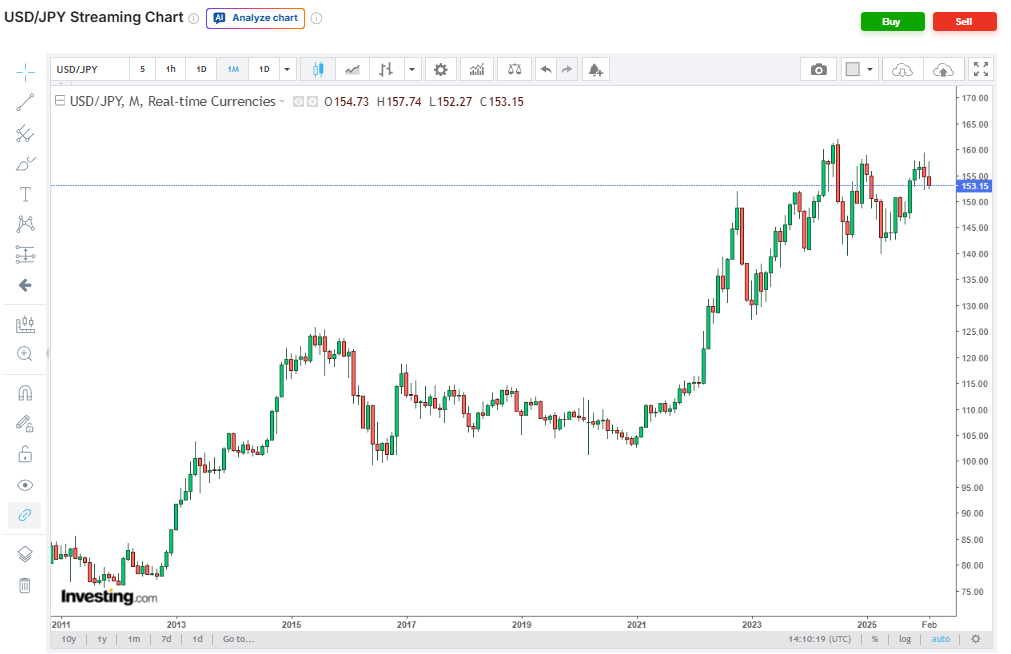
The yen’s longer-term trajectory will depend largely on the pace of policy normalization and shifts in global interest rate conditions. Continued adjustments to monetary policy, combined with steady economic growth, could strengthen momentum.
At the same time, global risk sentiment, trade dynamics, and capital flow patterns will remain key influences on currency performance.
Analysts emphasize that the yen appears to be transitioning from a prolonged period of structural weakness toward a more balanced position within global financial markets. This shift reflects broader changes in monetary policy strategy, evolving investment flows, and improving yield competitiveness.
This evolving environment also reflects broader shifts in global capital allocation patterns. As interest rate cycles stabilize across major economies, investors are increasingly prioritizing currency markets that demonstrate policy clarity, yield competitiveness, and structural economic stability. Japan’s gradual normalization path may therefore position the yen as a more attractive defensive currency in diversified portfolios.
In addition, gradual improvements in domestic inflation dynamics and wage growth could reinforce policy flexibility for Japanese authorities. If inflation stabilizes within sustainable ranges while economic expansion remains steady, policymakers may gain greater confidence in continuing normalization steps, further supporting currency stability and investor sentiment.
Overall, the currency’s outlook suggests a gradual recovery driven by structural policy adjustments, stronger domestic yields, and renewed international investor demand.


