
The Canadian Dollar (CAD) weakened to a one-week low against the bullish US Dollar (USD) on Friday as market participants recalibrated expectations ahead of key macro releases. The USD/CAD pair gained traction for the third consecutive day, breaching the mid-1.3600s in early European session trading, reflecting a combination of economic data anticipation and commodity price pressures.
The brokers at Winseterra provide a comprehensive breakdown of this topic in this article.
Investors have increasingly focused on the US economic docket, which features pivotal releases such as Durable Goods Orders, JOLTS Job Openings, and the Preliminary Michigan Consumer Sentiment and Inflation Index. These indicators, alongside the monthly Canadian employment report, are expected to produce short-term trading opportunities for USD/CAD.
USD Strength Supported by Inflation Concerns
The US Dollar has maintained an upward bias, underpinned by inflation fears that temper Federal Reserve (Fed) rate cut bets. Market participants are pricing in the likelihood that elevated inflationary pressures will prevent the Fed from reducing interest rates in the near term.
One of the key catalysts is the upcoming US Personal Consumption Expenditures (PCE) Price Index, the Fed’s preferred inflation gauge. Analysts expect the PCE data to provide insights into underlying price pressures, with any surprise figures potentially influencing USD momentum.
A modest pullback in Crude Oil prices has further undermined the commodity-linked Canadian Loonie (CAD), providing additional tailwinds to the USD/CAD pair. Lower oil prices often reduce demand for the Loonie, traditionally seen as sensitive to energy commodity fluctuations.
Crude Oil Pullback Pressures the Loonie
Oil prices play a significant role in shaping CAD dynamics, given Canada’s status as a major energy exporter. On Friday, a slight decline in Crude Oil contributed to short-term weakness in the Loonie, amplifying the USD/CAD rally.
However, analysts caution that supply disruption fears, particularly amid ongoing geopolitical tensions, could support Oil prices, potentially limiting further Loonie depreciation. Traders remain vigilant as energy markets continue to influence CAD trading patterns, highlighting the importance of closely monitoring commodity-linked currencies in the context of broader FX market dynamics.
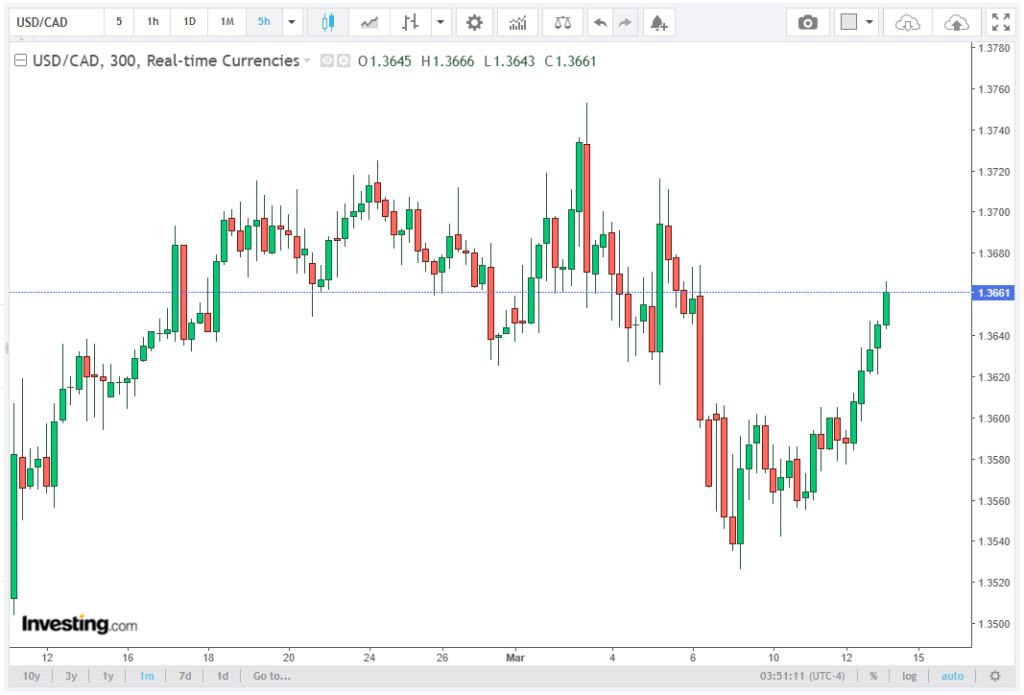
Key Drivers Behind USD/CAD Strength
The recent strength of USD/CAD has been driven by several key factors. Sustained USD buying remains a major contributor, as investors continue to purchase the US Dollar, anticipating delayed Fed rate cuts. At the same time, commodity price influence plays a critical role, with weakening Crude Oil putting pressure on the Loonie and further reinforcing USD/CAD gains.
Additionally, anticipation of macro data, including significant US releases like PCE and Durable Goods Orders, alongside Canadian jobs data, is shaping trading strategies. The combination of these elements has enabled the USD/CAD pair to reach a weekly high, with momentum largely supported by market sentiment and fundamental economic indicators.
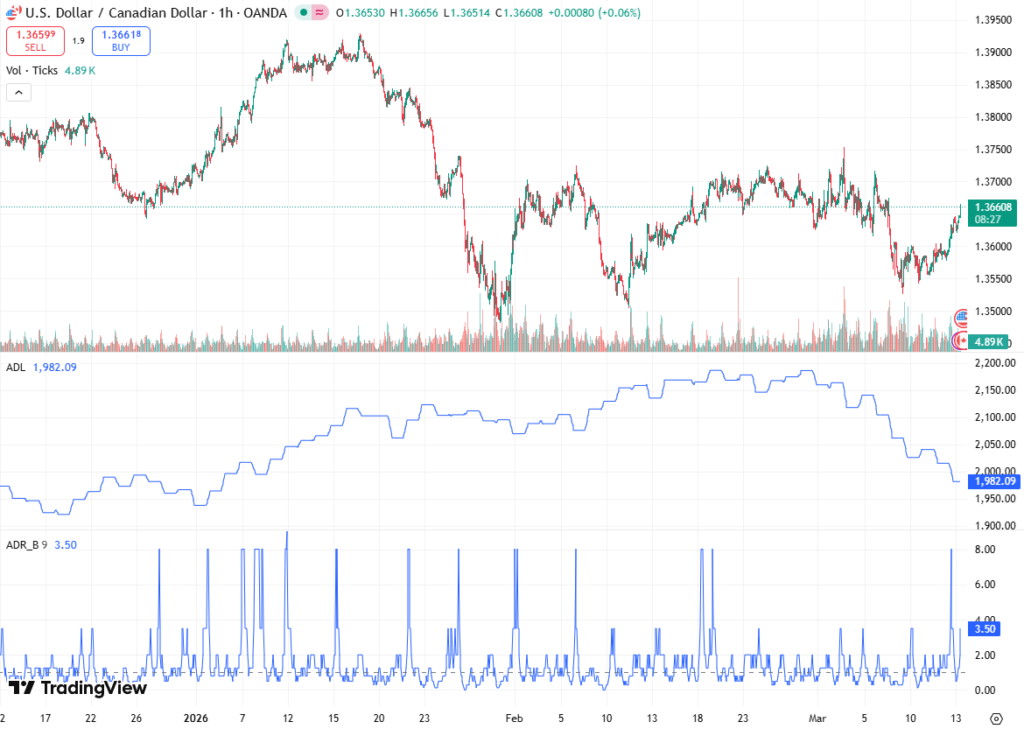
Upcoming US and Canadian Economic Data
Friday’s US economic calendar features several critical data points that could influence USD/CAD trading. Durable Goods Orders provide insight into business investment trends, while JOLTS Job Openings measure labor market tightness and potential wage pressures.
The Preliminary Michigan Consumer Sentiment index reflects consumer confidence and spending tendencies, indirectly affecting USD valuations, and the Preliminary Michigan Inflation Expectations offer clues about future consumer price trends, which feed into Fed policy considerations.
On the Canadian side, the monthly employment report is expected to generate short-term volatility in the USD/CAD pair: stronger-than-expected job gains could temporarily support the Loonie, whereas disappointing figures may prolong USD strength.
Market Outlook: USD/CAD in Focus
The USD/CAD pair remains under the influence of multiple fundamental factors, including commodity prices, inflation expectations, and central bank policy outlooks. Traders are particularly focused on short-term market reactions to the PCE Price Index, which could dictate intraday volatility.
Despite the recent USD gains, market analysts suggest that the immediate reaction to PCE data may be temporary, given the broader context of geopolitical tensions and energy market disruptions. Oil prices are likely to remain a key variable affecting CAD performance, while the USD benefits from its safe-haven appeal amid persistent inflation concerns.
In addition, the correlation between USD strength and CAD weakness emphasizes the role of cross-asset relationships in shaping FX market dynamics. Investors and traders are advised to monitor macroeconomic releases closely, as USD/CAD momentum could shift quickly in response to unexpected data surprises.
Conclusion
The Canadian Dollar has retreated to a one-week low against a resurgent US Dollar, driven by a combination of inflation expectations, weakening oil prices, and anticipation of key economic releases. The USD/CAD pair continues to attract buying interest for the third straight day, underpinned by macro fundamentals and commodity market influences.
Looking ahead, traders will closely watch US PCE data and the Canadian jobs report for short-term trading opportunities. While USD strength remains resilient, commodity market fluctuations and potential geopolitical disruptions could introduce periods of volatility, making careful risk management essential for FX participants.


