
The AUD/JPY cross continues to trade with a negative bias for the second consecutive day, remaining slightly above the 112.50 mark during Friday’s Asian session. The team of brokers at Winseterra explores this topic thoroughly and highlights the key insights in this article.
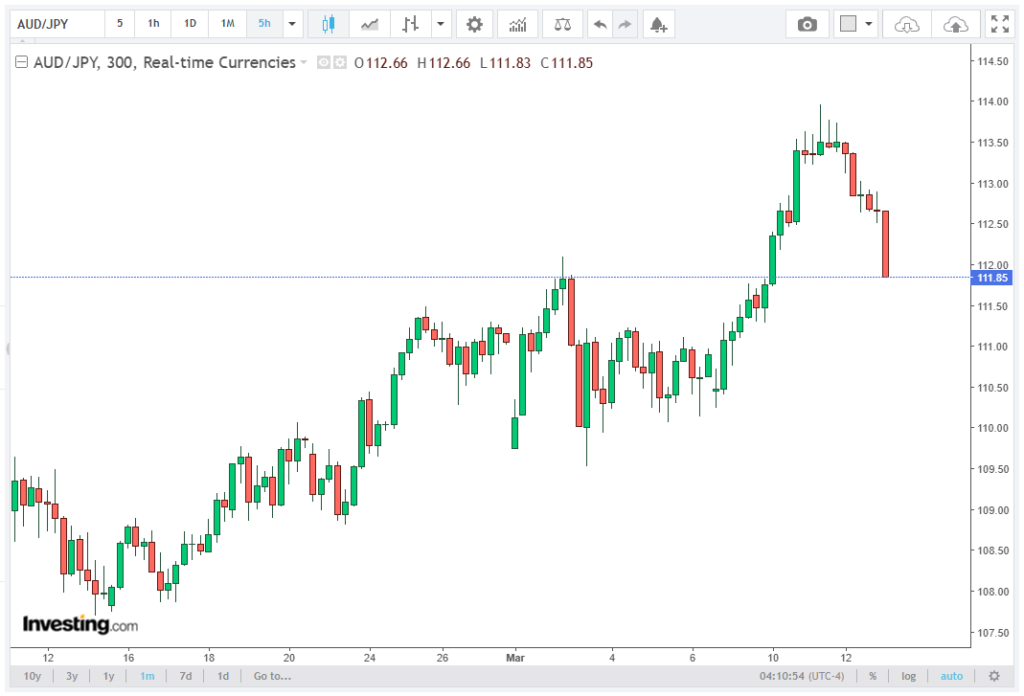
While the pair has retraced from this week’s highs near 114.00, the move lacks decisive bearish conviction, signaling that traders should exercise caution before positioning for further declines. The current environment is characterized by a mixture of intervention fears, divergent central bank expectations, and modest corrective momentum, making the outlook for the cross nuanced.
Intervention Speculations Support Yen
Recent trading activity in the Japanese Yen (JPY) indicates a slight recovery, primarily driven by intervention speculations. In January, the JPY approached levels that triggered so-called rate checks, prompting market participants to anticipate potential policy intervention by Japanese authorities to limit further weakness. This expectation has led to some short-covering in the JPY, creating a temporary headwind for the AUD/JPY cross.
Despite these dynamics, the BoJ’s (Bank of Japan) reluctance to signal an immediate rate hike tempers aggressive bullish bets on the JPY. As a result, while the currency recovers modestly, it lacks the momentum to enforce a sustained downtrend in AUD/JPY. Traders remain aware that such speculative moves can influence short-term volatility, particularly around psychologically significant levels like 112.50.
Divergent Central Bank Expectations
One of the defining features influencing the AUD/JPY cross is the divergent monetary policy expectations between the RBA (Reserve Bank of Australia) and the BoJ. Market participants increasingly anticipate that the RBA will raise interest rates as early as next week, supported by the recent inflation data and a robust labor market. Conversely, the BoJ maintains an accommodative stance, showing reluctance to tighten policy amidst concerns about economic growth and energy price pressures.
This divergence bolsters the argument for dip-buying in AUD/JPY, as the interest rate differential continues to favor the Australian Dollar (AUD). Traders looking for strategic entry points may interpret short-term declines as opportunities to position for further upside, especially ahead of key central bank meetings.
Fundamental Drivers: Oil Prices and Economic Growth
Another factor shaping the AUD/JPY outlook is the recent surge in crude oil prices. As one of the world’s most energy-dependent nations, Japan faces rising consumer price pressures and potential weakening in economic growth due to higher energy costs. This scenario hints at a stagflationary environment, complicating the BoJ’s efforts to normalize policy.
On the other hand, Australia benefits from stronger commodity exports and expectations of monetary tightening, reinforcing fundamental support for the AUD. The combination of external inflationary pressures in Japan and domestic tightening in Australia creates a backdrop where AUD/JPY may continue to experience corrective pullbacks rather than extended declines.
Technical Landscape
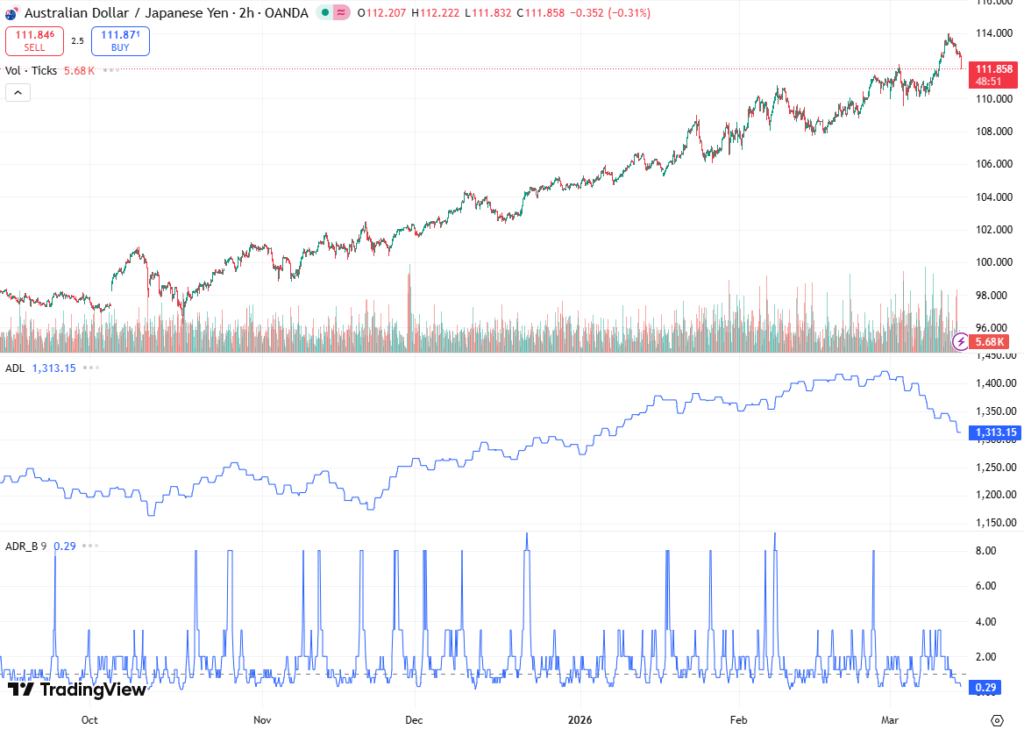
From a technical perspective, AUD/JPY remains slightly above the mid-112.00s, which may act as a short-term support zone. The recent modest retracement from 114.00, a level last seen in 1990, suggests that the pair may consolidate before attempting a more decisive move.
Traders should watch for potential resistance near 113.00 and 113.50, levels that could serve as barriers if the JPY recovery accelerates. Meanwhile, dip-buyers may focus on the 112.50 region, where the combination of fundamentals and technical support could provide an attractive entry point.
Weekly Outlook: Focus on the RBA
Looking ahead, the RBA meeting next Tuesday is likely to dictate the near-term trajectory for AUD/JPY. Investors will closely scrutinize the policy statement for indications of future rate hikes and the economic outlook, which could provide fresh impetus for the cross. Any hints of hawkish policy from the RBA may reinforce upside potential, even in the face of JPY intervention fears.
Despite the minor pullback, AUD/JPY is still on track to register weekly gains, reflecting the broader risk sentiment and central bank divergence. Market participants may therefore adopt a cautious but strategically bullish approach, considering that the path of least resistance remains upward, supported by RBA expectations and Japan’s structural economic challenges.
Conclusion
In summary, AUD/JPY remains on the back foot, trading above 112.50, with intervention fears providing temporary support for the JPY. The lack of bearish follow-through, combined with divergent BoJ-RBA expectations, suggests that any further corrective moves are likely to be limited. Traders should monitor oil prices, central bank guidance, and technical levels for potential trading opportunities, while keeping in mind that the AUD/JPY cross may resume its uptrend once short-term JPY-related headwinds dissipate.
The key takeaway is that while JPY speculations can create short-term volatility, the overarching fundamental environment, particularly RBA tightening versus BoJ accommodation, continues to favor strategic upside positioning in AUD/JPY.


