
West Texas Intermediate (WTI) crude oil futures on NYMEX plunged sharply on Wednesday, falling over 11% below the $90 mark. The decline comes after Iran agreed to temporarily reopen the Strait of Hormuz, a critical chokepoint that channels roughly 20% of global energy supply, for two weeks in exchange for a temporary ceasefire with the United States (US). The brokers from Fondesia cover this topic extensively in this informative article.
This development triggered a swift sell-off in energy markets, highlighting the sensitivity of oil prices to geopolitical risk. WTI, which had surged more than 50% since February 28, when the Middle East conflict involving the US, Israel, and Iran erupted, reversed course as traders assessed the implications of reduced supply disruptions.
Geopolitical Relief Sends Oil Prices Tumbling
The oil market collapse can be likened to a “house of cards,” with prices reacting sharply to the diplomatic breakthrough between Tehran and Washington. Earlier Wednesday, the US President announced via Truth Social that he had suspended planned attacks on Iranian civilian infrastructure, including power plants and bridges, citing Iran’s agreement to ensure “complete, immediate, and safe opening of the Strait of Hormuz.”
He also confirmed that the US received a 10-point proposal from Iran, which can form the basis for comprehensive ceasefire negotiations. The suspension of military action immediately reduced the risk premium embedded in oil prices, prompting traders to liquidate long positions in WTI futures.
Iran’s Strategic Demands and the Hormuz Corridor
The reopening of the Strait of Hormuz is not merely symbolic. Iranian officials emphasized that any transit through Hormuz must be coordinated with Iranian armed forces, reinforcing Tehran’s claim to sovereignty and authority over the strategic waterway.
Iran’s broader demands, as outlined in its 10‑point proposal submitted for talks with the United States, include the cessation of hostilities against Iran and its allied groups, a withdrawal of US combat forces from regional bases, the lifting of all primary and secondary sanctions, payment of full compensation for damages incurred during the conflict, and the release of all frozen Iranian assets. These points are part of Tehran’s conditions for a permanent end to the war and a negotiated settlement.
Negotiations on the 10-point proposal are scheduled to begin on April 10 in Islamabad, according to Iranian officials. Market participants are closely monitoring these talks, as any meaningful progress could stabilize oil prices and reduce geopolitical risk premiums embedded in futures contracts.
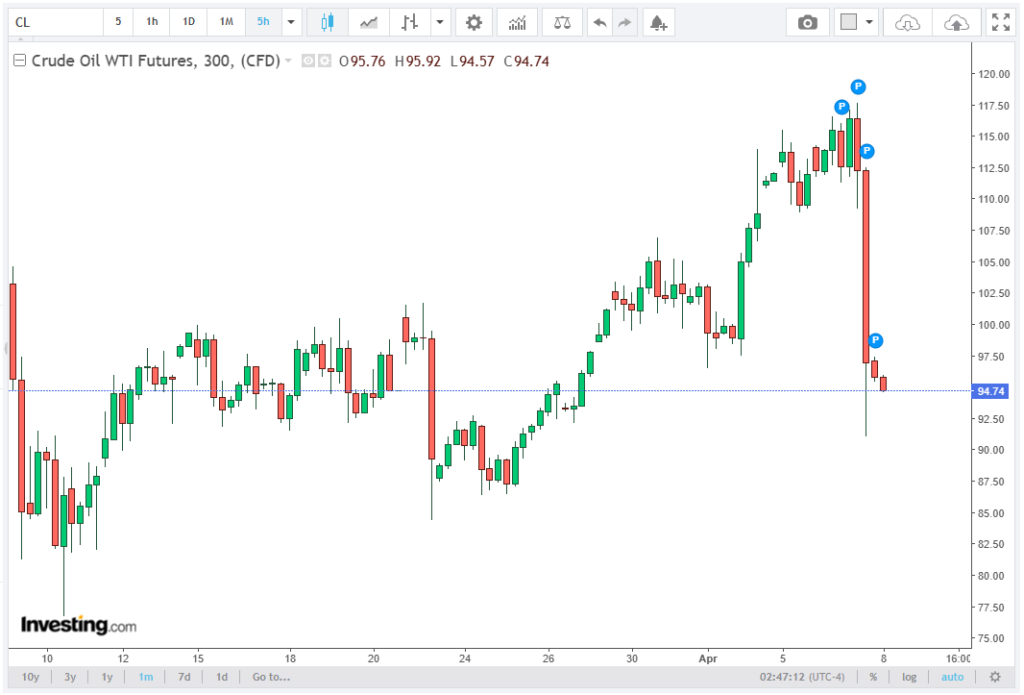
Technical Market Impact: WTI Below $90
The immediate market reaction was stark. WTI crude oil futures, traded on NYMEX, fell more than $11 per barrel, slipping below the $90 threshold for the first time since the onset of regional hostilities.
Traders cited several key factors behind the recent price correction. First, the risk premium unwinding caused by the temporary reopening of the Strait of Hormuz reduces the likelihood of a supply disruption, easing market fears. Second, US military de-escalation, including the suspension of attacks on Iran, removes a short-term trigger for extreme volatility. Finally, global macroeconomic considerations, such as the potential for lower oil prices to ease inflationary pressures, are influencing monetary policy expectations.
Market Outlook: Volatility Ahead
Despite the temporary nature of the Hormuz reopening, the WTI market remains highly sensitive to geopolitical signals. Analysts warn that any resumption of hostilities or failure in negotiations could quickly reverse price gains and push crude back above $100.
Investors are advised to closely monitor the progress of Islamabad negotiations on Iran’s 10‑point proposal, as developments could affect regional stability. Equally important is shipping activity through the Strait of Hormuz, a critical route for global oil. US policy announcements on sanctions and military posture may shift market dynamics, while global economic indicators continue to influence oil demand and overall energy markets.
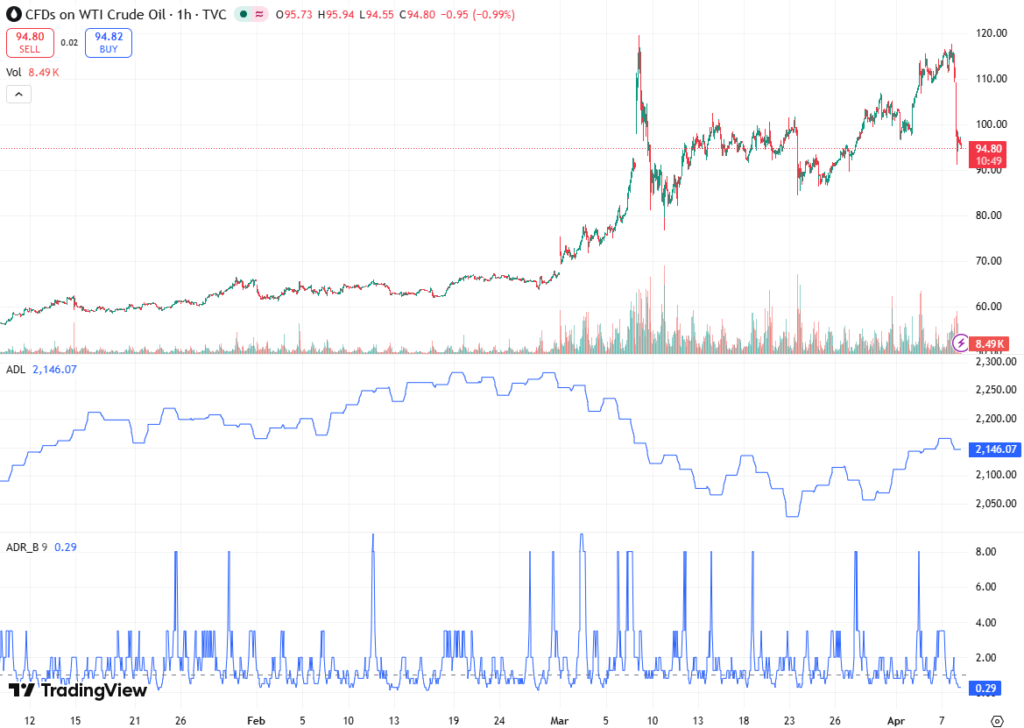
In the near term, WTI is likely to trade in a volatile range, reflecting a balance between geopolitical uncertainty and macroeconomic easing pressures. Traders may increasingly use options strategies to hedge against unexpected supply shocks, while institutional investors may reallocate capital toward lower-risk commodities or energy stocks.
Conclusion
The sudden drop of WTI crude oil below $90 underscores the interconnectedness of energy markets, geopolitics, and monetary policy. Iran’s temporary reopening of the Strait of Hormuz and the suspension of US attacks have removed some of the extreme upside pressure on oil prices, while the scheduled ceasefire negotiations could set the stage for more sustained market stabilization.
However, analysts caution that the Middle East remains a volatile region, and oil markets are likely to experience continued swings as stakeholders negotiate Iran’s demands and navigate the complex balance between energy security and diplomacy.
For traders, investors, and policymakers, the unfolding events highlight the importance of monitoring both geopolitical developments and macroeconomic signals, as WTI and global energy markets respond to shifts in risk perception, supply dynamics, and international negotiations.


