
The influence of artificial intelligence on cloud computing is becoming more visible, with Amazon pointing to a more optimistic growth path ahead. Updated projections indicate that AI could significantly boost expansion within its cloud division.
The revised expectations point to a potential doubling of previous forecasts, reflecting the increasing role of AI-driven demand across industries. One of the market research analyst at Rubizio notes that this shift underscores how AI is becoming a core driver of large-scale infrastructure investment and revenue growth in the cloud sector.
As demand for computing power continues to rise, cloud platforms are positioning themselves to capture a larger share of the rapidly expanding AI market.
AI Demand Reshapes Cloud Growth Expectations
Amazon’s cloud division is now projected to potentially reach $600 billion in annual revenue over the long term, significantly higher than earlier estimates of around $300 billion. This revision highlights how quickly expectations are evolving as AI adoption accelerates.
The surge in demand is being driven by businesses requiring advanced computing capabilities, data processing, and AI model deployment, all of which rely heavily on cloud infrastructure.
This trend suggests that AI is not just an incremental growth factor, but a transformational force reshaping the scale of cloud computing markets.
Strong Revenue Growth Supports Long Term Outlook
Recent performance provides a foundation for these projections. The cloud division generated approximately $128.7 billion in revenue, reflecting a 19% year-over-year increase.
To reach the projected levels, the business would need to sustain an average annual growth rate of roughly 17% over the next decade. While ambitious, this target aligns with the rapid expansion currently seen in AI-related services.
Consistent growth at this level would position the company among the largest technology revenue generators globally.
Heavy Investment Reflects Long Term Strategy
The company has outlined plans for substantial capital expenditure, with commitments reaching around $200 billion, primarily focused on AI infrastructure. This includes investment in data centers, computing hardware, networking systems, and energy capacity.
Such large-scale spending has drawn attention from investors, particularly due to its impact on short-term financial performance. However, the strategy reflects a long-term approach aimed at securing future market leadership in AI and cloud computing.
Building infrastructure ahead of demand is essential, as these projects require significant time and resources before generating revenue.
Infrastructure Expansion Requires Early Capital Deployment
One of the key challenges in scaling cloud infrastructure is the need for early-stage capital investment. Facilities, equipment, and energy systems must be developed well before they are fully utilized.
This creates a timing gap between capital expenditure and revenue generation, requiring companies to manage both growth and financial efficiency carefully.
Despite this, strong demand signals suggest that the investment is being made in response to clear and measurable market opportunities, rather than speculative growth.
AI Infrastructure Demand And Competitive Positioning
The rapid growth of artificial intelligence is intensifying competition among cloud providers, each aiming to secure a larger share of enterprise demand. Companies are investing heavily in specialized hardware, advanced data centers, and optimized software environments to support increasingly complex AI workloads.
This competitive landscape is driving innovation while also raising the stakes for execution and scalability. Businesses that can deliver reliable, high-performance infrastructure at scale will gain a significant advantage.
Market Reaction And Investor Perspective
Investor response to the company’s strategy has been mixed. While long-term growth potential is widely recognized, the scale of investment has raised questions about short-term profitability and capital allocation.
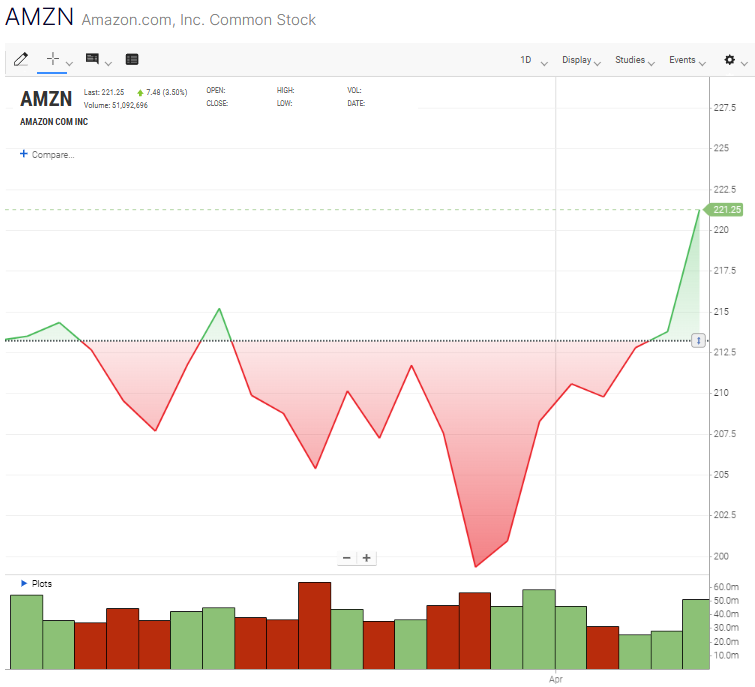
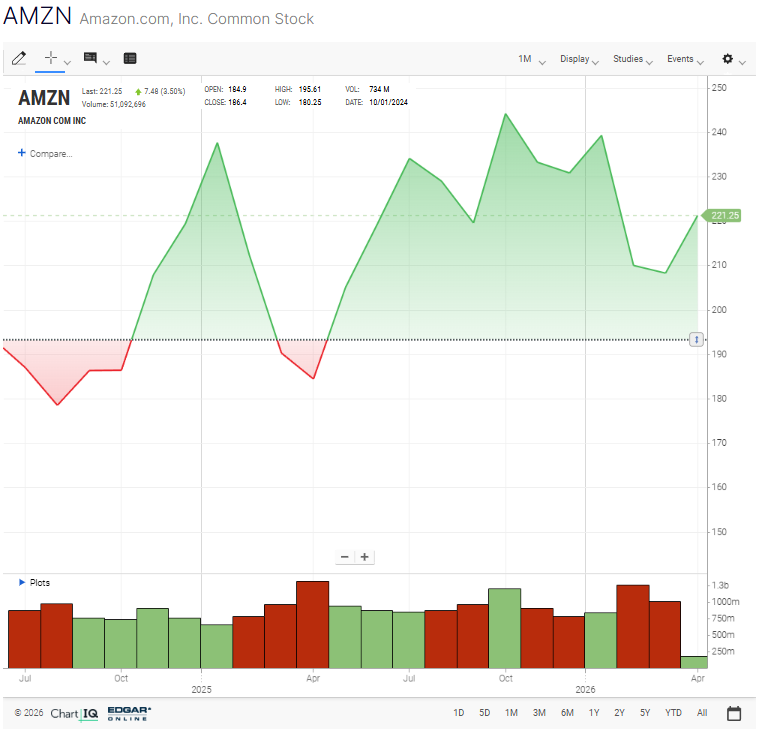
Stock performance has shown some volatility, reflecting this balance between optimism and caution. Investors are closely evaluating whether the expected returns justify the level of spending required.
Future Outlook and AI-Driven Cloud Expansion
The outlook for cloud computing is increasingly tied to the rapid growth of artificial intelligence, as organizations accelerate adoption across multiple industries. Demand for scalable, high-performance infrastructure is expected to rise significantly, driven by the need for advanced computing power, data processing, and AI deployment capabilities.
This creates a strong foundation for continued expansion, particularly for companies that can deliver integrated solutions combining cloud infrastructure, data services, and AI technologies. These capabilities are becoming essential for businesses seeking efficiency, automation, and innovation.
If current trends continue, the cloud market could experience unprecedented growth, largely fueled by widespread AI adoption and increasing enterprise reliance on digital systems.
At the same time, the latest projections highlight how artificial intelligence is reshaping long-term revenue expectations, with the potential to reach $600 billion in annual revenue reflecting the massive scale of opportunity in this space.
While the path forward involves significant capital investment, infrastructure development, and execution challenges, the long-term outlook remains strong. Companies that successfully align technology innovation, strategic investment, and operational scalability will be best positioned to lead the next phase of growth in the evolving AI-driven economy.


