
A strategic shift is taking shape in the retail sector as Starbucks refines its store footprint to improve efficiency and better align with changing consumer behavior. The company is focusing on optimizing locations and operations to enhance both profitability and customer experience.
The restructuring includes the closure of multiple locations in key urban areas, signaling a shift toward quality over quantity in store operations. A financial data analyst at Rubizio note that this approach emphasizes long-term brand positioning, cost control, and sustainable growth, rather than rapid expansion.
As consumer habits continue to change, companies are increasingly adapting their physical presence to match new patterns of demand.
Store Closures Reflect Strategic Realignment
The company has reduced its presence in certain downtown areas, closing multiple locations while maintaining a limited number of operational stores. In one major city, most central locations have been shut down, leaving only one primary store and a limited-access location.
This decision reflects an evaluation of store performance, foot traffic trends, and overall profitability, with underperforming locations being phased out.
Rather than maintaining a large number of stores, the company is focusing on strategically positioned locations that better serve customer needs.
“Back To Starbucks” Strategy Drives Changes
The closures are part of a broader initiative aimed at redefining the brand’s identity as a “third place” between home and work. This strategy focuses on enhancing the in-store experience and creating a more personalized and welcoming environment.
At the same time, the program includes cost-reduction measures, such as streamlining operations and eliminating locations that do not meet performance expectations.
This dual approach aims to strengthen both customer engagement and financial performance.
Shift Away From Underperforming Locations
A key component of the strategy involves identifying and closing stores that are not aligned with current consumer behavior. Changes in work patterns, including increased remote work, have reduced foot traffic in certain urban areas.
As a result, some locations are no longer generating sufficient revenue to justify continued operation. By closing these stores, the company can reallocate resources toward higher-performing locations and growth opportunities.
This reflects a more targeted and data-driven approach to retail expansion.
Changing Consumer Behavior And Urban Demand
Consumer habits have shifted significantly in recent years, influencing how and where people purchase coffee. Increased remote work and flexible schedules have reduced reliance on traditional downtown locations, while demand has grown in suburban and residential areas.
This shift is prompting companies to reassess store placement and prioritize locations that align with current lifestyle patterns and convenience preferences.
Additionally, customers are placing greater emphasis on experience, comfort, and service quality, rather than just speed and accessibility. These evolving expectations are shaping how brands design their retail strategies and determine where to invest for future growth.
Reduction of Pickup-Only Store Model
The company is also moving away from its pickup-only store format, which was originally designed to support quick, app-based transactions in high-traffic areas. While the model offered convenience, it lacked the in-store experience that defines the brand’s identity.
Approximately 90 pickup-only locations have been closed as part of the restructuring effort. This shift reinforces the focus on creating engaging physical spaces, rather than purely transactional environments.
The decision highlights the importance of balancing efficiency with customer experience.
Broader Store Network Adjustments
Despite the closures, the company maintains a strong presence across major markets, with dozens of locations still operating within city limits. The restructuring represents a refinement of the store network, rather than a reduction in overall market presence.
The company has also implemented closures in multiple regions, indicating that this strategy is part of a nationwide optimization effort.
These adjustments are designed to improve operational efficiency and long-term profitability.
Financial And Operational Implications
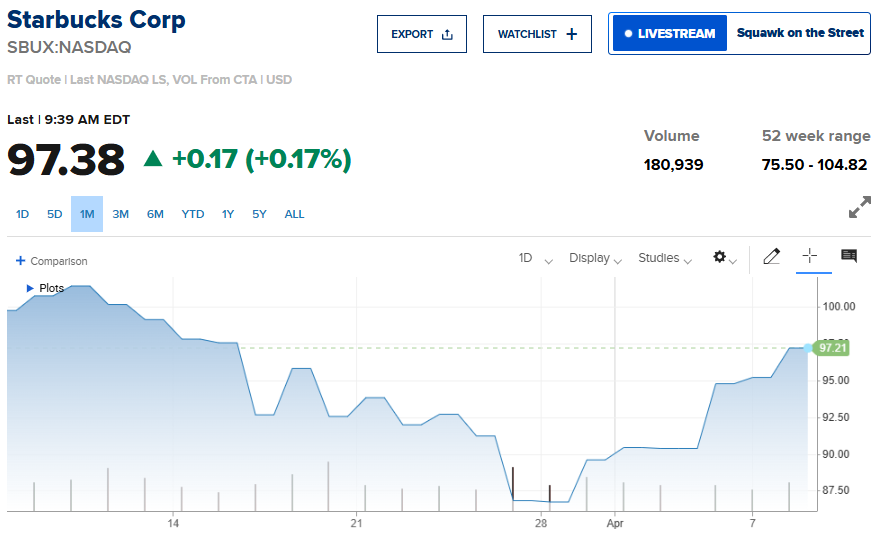
The reduction in store count is expected to support improved financial performance by eliminating locations that negatively impact overall margins and operational efficiency. Lower operating costs, combined with more focused resource allocation, can contribute to stronger and more sustainable profitability over time.
At the same time, investments in remaining locations are aimed at enhancing customer experience, store quality, and service consistency, which are key drivers of brand loyalty and repeat business. Strengthening high-performing stores allows the company to maximize returns while maintaining a strong market presence.
Balancing cost efficiency with customer satisfaction remains a central focus, as the company works to optimize operations without compromising the overall brand experience.
Retail Expansion Strategy and Market Positioning
The company’s restructuring efforts reflect a broader shift in retail strategy, where success depends on adaptability, efficiency, and customer-centric design. As consumer behavior continues to evolve, businesses must remain flexible in how they operate and expand.
By focusing on high-performing locations, improved in-store experiences, and optimized operations, the company is positioning itself for sustainable growth.
While store closures may signal short-term adjustments, they also represent a strategic effort to build a stronger, more resilient business model for the future.


