
Amazon Prime Video made history by broadcasting the Masters Tournament opening rounds, marking the first time a tech giant entered Augusta National’s media landscape. The partnership represented strategic expansion beyond traditional football and basketball into premium golf. This move positioned Amazon as a dominant force in live sports streaming.
Thursday and Friday coverage from 1:00 PM to 3:00 PM Eastern gave Prime subscribers exclusive early-round access. Byronixel finance experts explore how Amazon is projected to spend $3.8 billion on sports rights in 2026. This investment level exceeded all streaming competitors, including DAZN, which previously held the top position.
The Augusta Breakthrough
Securing Masters broadcast rights demonstrated Amazon’s elevated status among sports properties. Augusta National historically maintained a conservative approach to media partnerships, protecting the tournament’s prestige. The club’s willingness to work with streaming platforms reflected changing media consumption patterns.
Inside Amen Corner coverage featured an analytics-driven viewing experience across holes eleven, twelve, and thirteen. Jack Nicklaus joined the broadcast team commemorating the 40th anniversary of his legendary 1986 victory. The nostalgia element, combined with modern technology, created a unique offering unavailable through traditional networks.
The NBA Foundation
Amazon’s 11-year NBA agreement, valued at $1.8 billion per season, drove a substantial increase in spending. The deal, entering its first full year in 2026, provided a year-round sports programming anchor. Basketball coverage complemented existing Thursday Night Football, creating a compelling subscription retention strategy.
Combined NFL and NBA rights gave Prime subscribers access to America’s two most popular leagues. This dual-sport portfolio created a powerful value proposition justifying membership costs. Competitors struggled matching breadth of premium sports content available through a single subscription.
The Strategic Rationale
Live sports programming drove subscriber acquisition at significantly higher rates than scripted entertainment. Research showed sports fans maintained subscriptions year-round rather than churning between services. The sticky nature of sports viewership justified extraordinary rights fees.
Ad-tier revenue potential amplified the economics of sports investments beyond subscription fees alone. Advertisers paid premium rates for live sports audiences unable to skip commercials. This dual revenue stream made sports more valuable than non-live programming.
The Competitive Landscape
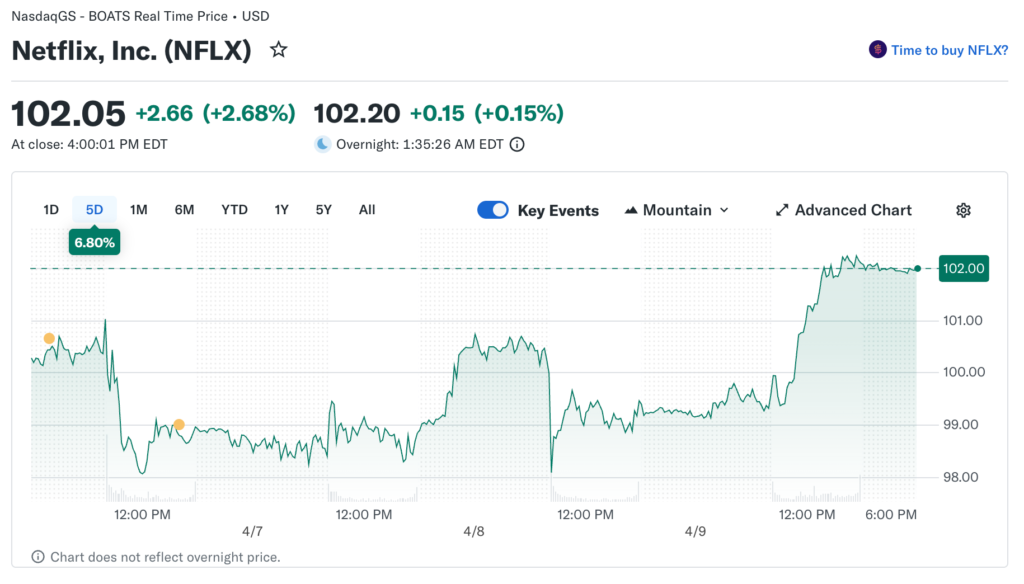
Streaming platforms collectively spending $14.2 billion on sports rights in 2026, represented 7% increase. Generalist streamers, including Netflix, Paramount Plus, Disney Plus, and Apple TV, expanded sports portfolios. The collective investment reflected industry consensus about sports as an essential competitive weapon.
Traditional broadcasters like ESPN and CBS faced pressure from deep-pocketed tech giants. Legacy media companies couldn’t match the financial resources of Amazon and Apple, competing for rights. This structural disadvantage threatened the long-term viability of the traditional sports broadcasting model.
The European Football Holdings
UEFA Champions League rights in Germany, Italy, United Kingdom were provided by the international sports foundation. European football attracted massive audiences, rivaling American sports in key markets. The global reach differentiated Amazon’s strategy from US-focused competitors.
First-pick match rights from the Champions League group stage guaranteed access to the strongest fixtures. This premium positioning drove viewership and subscriber interest across European territories. The continental diversification reduced dependence on the American sports calendar.
The Subscription Math
Prime membership cost $139 annually, providing access to shipping benefits plus entertainment content. Sports programming represented incremental value, justifying price increases without subscriber backlash. The bundled model disguised the true cost of sports rights across a broader membership base.
An estimated 200 million global Prime members created an enormous reach for sports broadcasts. Even modest viewership percentages translated to millions of viewers, matching traditional network audiences. The scale advantages allowed Amazon to monetize rights differently than standalone sports networks.
The Technology Edge
X-Ray feature provides real-time cast and trivia information enhanced viewing experience. Advanced statistics and analytics are integrated seamlessly into broadcasts. The technical capabilities exceeded what traditional broadcasters offered through linear channels.
Multiple camera angles and customizable viewing options appealed to sophisticated sports fans. Viewers could choose preferred commentary teams or statistical overlays. This personalization is impossible through traditional broadcast created differentiated product.
The Advertising Opportunity
The ad-supported tier, launched recently, provided a new monetization avenue for sports content. Advertisers gained access to highly engaged audiences watching live programming. The premium pricing for sports advertising justified content acquisition costs.
Programmatic advertising technology allowed for precise targeting, impossible through traditional broadcasts. Amazon leveraged e-commerce data to serve relevant ads to specific viewer segments. This integration of retail and media created a unique competitive advantage.
The Market Reaction
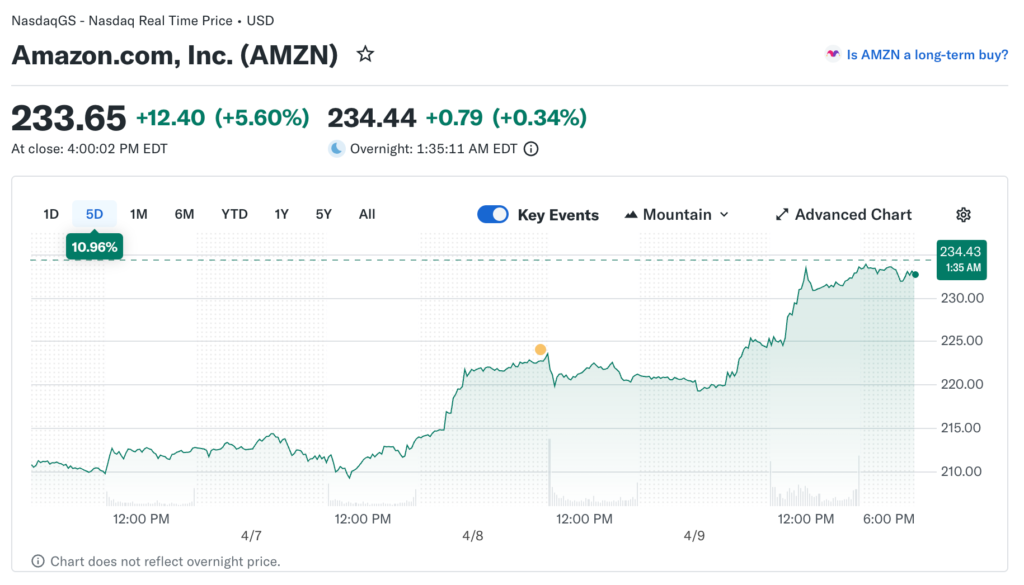
Amazon shares advanced modestly following Masters partnership announcement, reflecting investor approval. Wall Street recognized the strategic value of premium sports content. The validation encouraged further investments in live programming.
Traditional media stocks faced pressure as tech giants encroached on core franchises. Investors questioned whether legacy broadcasters could compete long-term. The market capitalization gap between tech and media companies widened substantially.


