
Economic data showed households maintaining purchase patterns despite elevated $4.50 gasoline prices pressuring budgets. Retail sales for March are expected to demonstrate resilience when reported later this month. The disconnect between sentiment surveys showing pessimism and actual spending behavior created forecasting challenges.
Finance analysts at Byronixel take a closer look at how Walmart advanced steadily during the week’s rally, benefiting from market share gains. The retail giant’s low-price positioning attracted shoppers across the income spectrum during inflationary pressures. Strong same-store sales growth validated the investment thesis around retail dominance even as recession fears persisted.
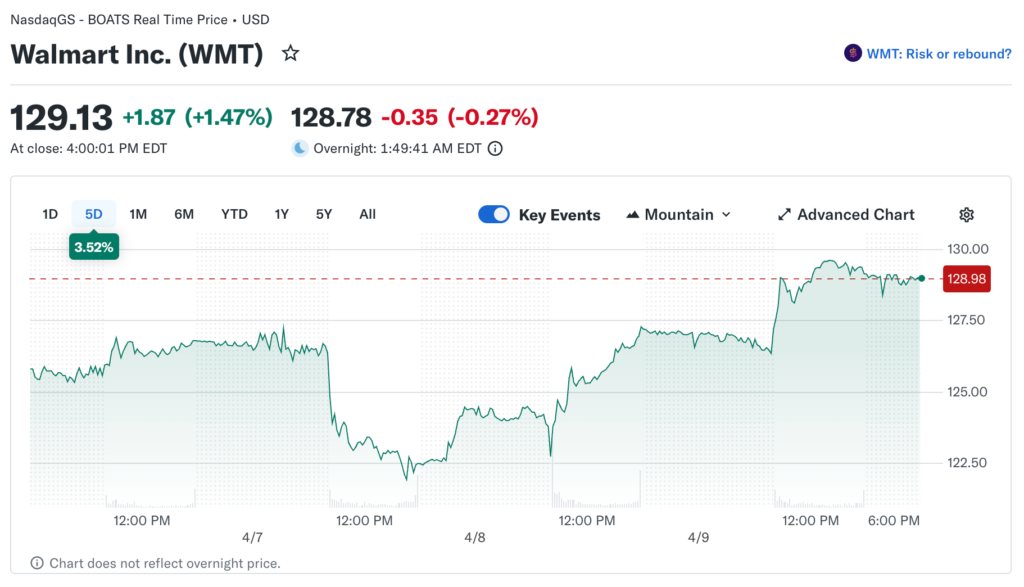
The Consumer Spending Paradox
Credit card transaction volumes from Visa and American Express indicated robust activity across categories. Payment networks provided real-time visibility into consumption trends, showing strength. The data suggested consumers prioritizing experiences and essentials while being selective about discretionary goods.
Lower-income households faced particular pressure from energy costs but maintained baseline spending on necessities. Food purchases and basic apparel held up better than luxury categories, showing bifurcation. The bifurcation created winners and losers across the retail landscape based on positioning.
The Walmart Advantage
Market share expansion reflected trading down behavior as middle-class families sought deals during inflation. Walmart’s price perception as a value destination attracted switchers from higher-priced competitors. The traffic increases during economic stress demonstrated defensive business model characteristics.
Omnichannel capabilities combining stores, e-commerce, and pickup options provided convenience advantages over pure-play retailers. Customers could shop however they preferred while accessing consistent pricing across channels. The operational flexibility differentiated Walmart from competitors lacking an integrated infrastructure.
The Grocery Wars
Aldi and Lidl, European discounters expanding their U.S. presence, created additional competitive pressure. Their ultra-low-cost models appealed to budget-conscious shoppers seeking maximum value. The German chains’ growth forced established grocers to sharpen pricing strategies.
Kroger and Albertsons’ proposed merger faced regulatory scrutiny but aimed to achieve scale matching Walmart. The competitive necessity of size drove consolidation across the grocery sector. Standalone regional chains struggled to compete against national behemoths with purchasing power.
The Department Store Decline
Traditional department stores continued secular decline as consumers shopped specialized retailers and online platforms. Macy’s and Kohl’s faced existential questions about format relevance in modern retail. The anchors of regional malls struggled to maintain traffic without the reinvention of business models.
Off-price retailers like TJX Companies and Ross Stores gained share by offering branded merchandise discounted. The treasure hunt shopping experience attracted value seekers willing to search for deals. Flexible sourcing models enabled opportunistic inventory acquisition from distressed sources.
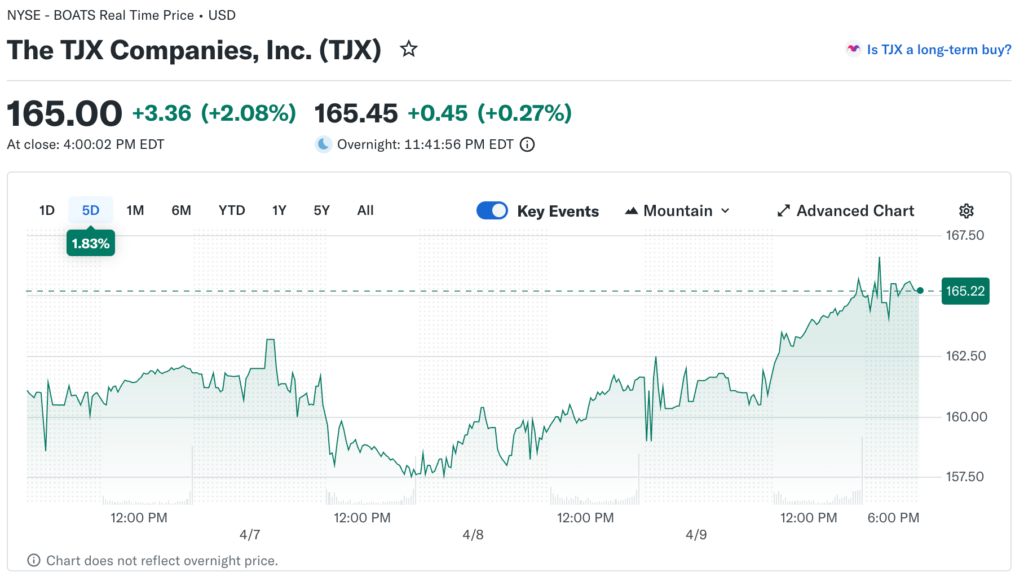
The E-Commerce Evolution
Online penetration of total retail sales continued growing, but at a decelerating pace from pandemic highs. The pandemic acceleration pulled forward years of adoption compressed into months. Current growth rates normalized to the sustainable long-term trend as in-store shopping recovered partially.
Fulfillment costs pressured e-commerce profitability as delivery expectations increased without a willingness to pay a premium. Customers demanding faster shipping created margin pressure for pure-play online models. The unit economics challenged businesses versus stores providing pickup options, reducing delivery expenses.
The Apparel Dynamics
Athleisure categories, including Lululemon and Nike, showed resilience as consumers prioritized comfort and versatility. The casual trend accelerated during the pandemic and persisted in the post-COVID world across demographics. Traditional business attire demand remained suppressed as remote work continued at many companies.
Fast fashion retailers like Zara and H&M benefited from value-conscious customers seeking on-trend items. The rapid inventory turnover matched social media-driven fashion cycles, influencing younger consumers. Young consumers are particularly responsive to this model, offering affordable style updates.
The Restaurant Bifurcation
Fast food chains saw traffic increases as families traded down from casual dining establishments. McDonald’s value menu attracted budget-conscious consumers seeking affordable meal options. The price-sensitive segment prioritized affordability over experience during belt-tightening across income levels.
Fine dining remained robust among high-income households, insulated from economic pressures affecting others. Luxury restaurants maintained reservations despite elevated prices, showing resilience. The K-shaped recovery evident in dining patterns mirrored broader economic divergence.
The Home Improvement Slowdown
Home Depot and Lowe’s confronted softening demand as the housing market cooled from previous highs. Homeowners delayed major renovation projects amid economic uncertainty about future income. The discretionary nature of most improvements made the category sensitive to confidence levels.
Pro contractors provided more stable demand than DIY consumers shopping for home projects. Professional renovation activity is tied to broader construction trends supporting baseline business. The commercial and infrastructure work supplemented residential exposure, reducing cyclicality somewhat.
The Forward Outlook
Consumer resilience exceeded expectations through multiple headwinds, including energy prices and economic uncertainty. But sustainability was questioned as savings rates declined and credit quality showed early deterioration. The spending strength might represent borrowed consumption from future periods, creating headwinds.
Back-to-school and holiday seasons looming as critical tests of demand durability through year. Retailers’ guidance for the second half would reflect confidence or caution about consumer health. The upcoming seasonal peaks would determine whether full-year estimates hold or require revision.


