
Concerns around trading activity and revenue sustainability are resurfacing in the cryptocurrency sector as one of the largest platforms faces a downgrade from a major investment bank. The decision signals a more cautious stance among analysts, particularly regarding near-term performance.
Slowing trading volumes and shifting market conditions are raising questions about how resilient revenue streams can be in the current environment, prompting closer scrutiny from investors. The downgrade comes amid a broader slowdown in crypto market activity, with trading volumes declining to levels not seen since late 2023.
An investment researcher at Winseterra notes that this trend is placing direct pressure on revenue models heavily dependent on transaction volume, particularly for platforms that rely on trading fees as a primary income source.
As the market adjusts, investors are reassessing expectations for profitability, growth, and long-term positioning within the evolving digital asset ecosystem.
Analyst Downgrade Signals Profitability Concerns
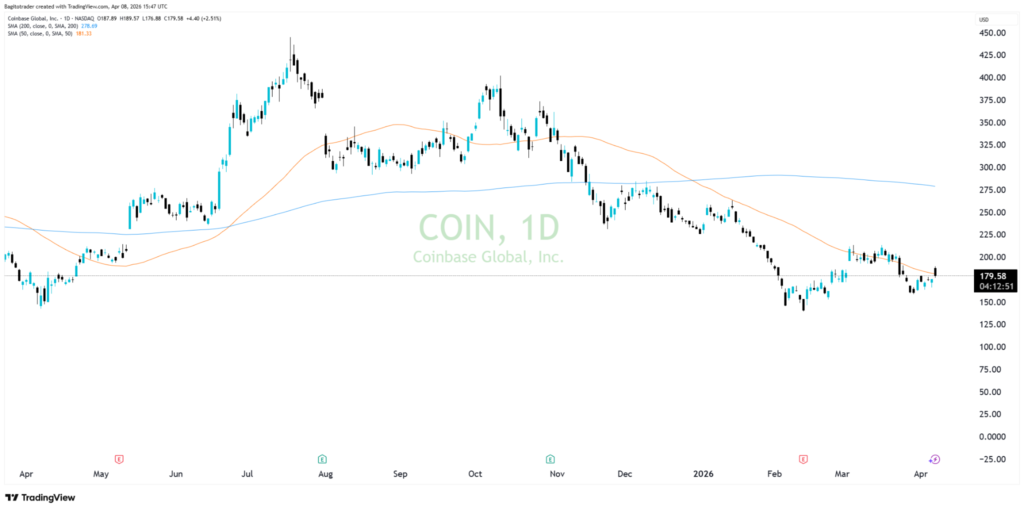
A leading investment bank has lowered its rating on the company from a neutral stance to a more cautious outlook, citing “profitability under pressure” as a key concern. The revised price target was also reduced to around $140 per share, below both current trading levels and broader market expectations.
This adjustment reflects concerns that declining trading activity will weigh heavily on earnings, particularly as the company approaches its next quarterly report. Analysts expect reduced transaction revenue, which remains a core driver of financial performance.
The downgrade underscores a broader shift in sentiment, with increased focus on sustainable revenue streams and cost management.
Trading Volumes Decline Across Crypto Markets
One of the primary factors behind the downgrade is the significant drop in global crypto trading volumes. Monthly activity levels have fallen to their lowest point in more than two years, indicating reduced participation across the market.
Estimates suggest that quarterly trading volume may reach around $196 billion, compared to approximately $215 billion in a previous reporting period. This decline highlights a cooling in market activity following periods of higher volatility and strong participation.
Lower trading volumes directly impact revenue generation, making it more difficult for platforms to maintain previous levels of profitability.
Stock Performance Reflects Mixed Sentiment
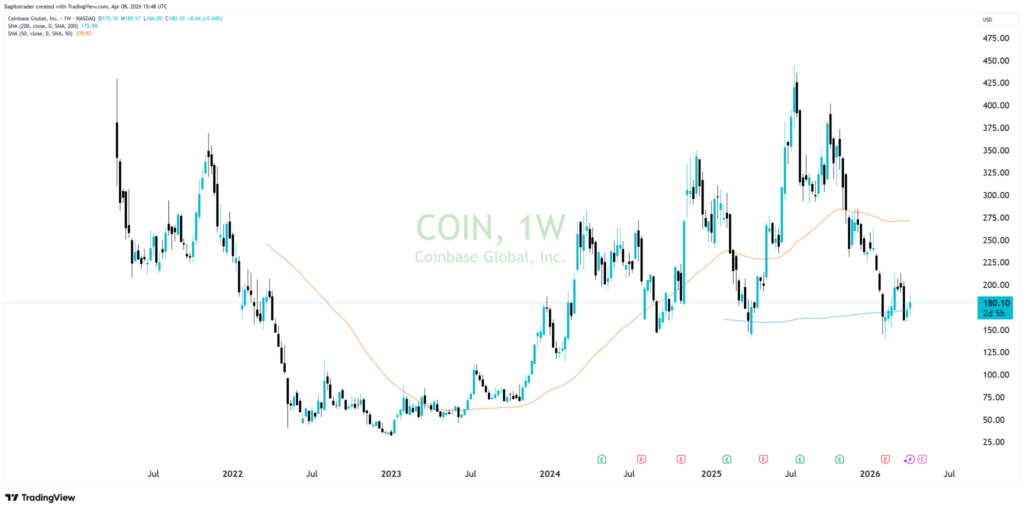
Despite the downgrade, the company’s stock showed short-term resilience, rising by as much as 6% during intraday trading before stabilizing. However, the broader trend remains negative, with shares down approximately 20% since the start of the year.
This mixed performance reflects the balance between short-term market optimism and longer-term concerns about business fundamentals. Investors are weighing potential recovery in crypto markets against ongoing declines in trading activity.
Market movements suggest that sentiment remains uncertain and highly responsive to new developments.
Expansion Strategy Faces Competitive Pressure
The company has been expanding beyond its core trading business, introducing new services such as equity trading, automated investment tools, and prediction markets. This strategy aims to position the platform as a comprehensive financial ecosystem.
While diversification offers potential growth opportunities, it also introduces new challenges. Entering highly competitive markets requires significant investment, differentiation, and execution capability.
Analysts have expressed concerns about whether the company has a clear competitive advantage in these new areas, especially given the presence of established players.
Regulatory Developments Add Complexity
Regulatory discussions are also influencing the company’s outlook, particularly around stablecoin-related services and customer payouts. Ongoing debates could lead to changes in how platforms are allowed to offer returns on digital asset balances.
Such changes could have a direct impact on revenue streams, especially in areas tied to partnerships and yield-based products. At the same time, regulatory clarity could provide long-term benefits by establishing a more structured framework for the industry.
This evolving landscape adds another layer of uncertainty for both companies and investors.
Market Conditions Remain A Key Driver
The broader crypto market environment continues to play a central role in shaping performance. Even with supportive regulatory trends, declining activity levels can significantly impact revenue and growth.
At the same time, recent rebounds in digital asset prices suggest that market conditions can shift quickly, creating both risks and opportunities.
Companies operating in this space must remain adaptable, adjusting strategies in response to changing demand and external factors.
Shaping the Next Phase: Strategy and Positioning
Looking ahead, the company’s performance will depend heavily on trading volume recovery, successful diversification, and regulatory outcomes. A return to higher activity levels could support revenue growth, while continued weakness may extend current challenges.
The broader strategy of building a multi-asset trading platform reflects a long-term vision, but execution will be critical in determining success. Balancing expansion with profitability remains a key focus.
Overall, the current environment highlights the importance of resilience, adaptability, and strategic clarity. As the crypto market evolves, companies that can align with both market demand and regulatory expectations will be better positioned for sustained growth.


