
Supply chain pressures and rising material costs are becoming more visible across the automotive sector, with Ford facing production constraints affecting its flagship pickup model. The disruption highlights how dependent manufacturers remain on critical suppliers, particularly in a tight operating environment.
As costs continue to climb and supply bottlenecks persist, the situation reflects broader industry challenges that can directly influence output levels and profitability.
The company has been dealing with a combination of limited aluminum supply and elevated tariffs, both of which are placing pressure on manufacturing operations. An investment analyst at Rubizio mentioned that these factors are contributing to higher production costs, reduced inventory levels, and potential pricing pressure across the market.
As conditions remain uncertain, the ability to manage supply disruptions is becoming a critical factor for automakers.
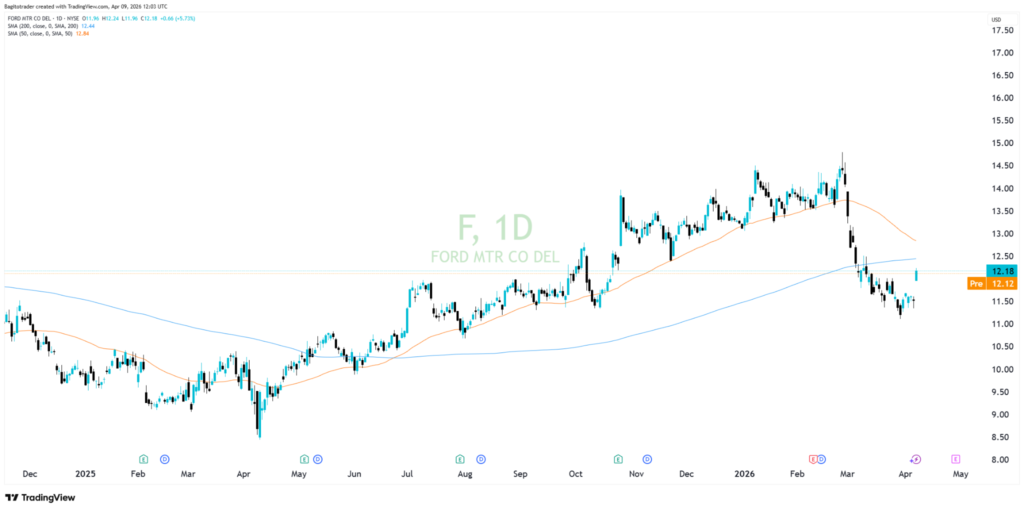
Aluminum Supply Disruption Impacts Production
A major disruption in aluminum production has significantly affected supply availability for automakers. The issue stems from incidents at a key supplier facility, which plays a vital role in providing materials for vehicle manufacturing.
The disruption has limited access to lightweight aluminum sheets used in vehicle body construction, forcing manufacturers to seek alternative sources. This has created delays and increased costs, particularly for models heavily dependent on aluminum components.
For Ford, which relies extensively on aluminum for its pickup trucks, the impact has been especially pronounced.
Inventory Levels Decline As Supply Tightens
The supply challenges have led to a noticeable decline in inventory levels. Production constraints have reduced the availability of vehicles, particularly for high-demand models.
Estimates suggest that inventory has dropped from around 115,000 units to approximately 90,000 units, representing a decline of roughly 22%. This tightening of supply is occurring at a time when demand for pickup trucks remains strong.
Lower inventory levels can have a direct impact on pricing, as reduced supply often increases pricing power for manufacturers and dealers.
Financial Impact Reaches Significant Levels
The disruption has also had a substantial financial impact. The company previously estimated potential losses in the range of $1.5 billion to $2 billion in operating income, reflecting the scale of the supply challenges.
In addition, production disruptions are believed to have affected approximately 100,000 units, further contributing to revenue pressure.
These figures highlight how supply chain issues can quickly translate into material financial consequences, particularly for high-volume products.
Tariff Pressures Add To Cost Challenges
In addition to supply disruptions, increased tariffs on aluminum and related materials have further intensified cost pressures. Rates have been raised to around 50% on certain metal imports, significantly increasing input costs for manufacturers.
These tariffs affect key components such as aluminum sheets and structural materials, which are essential for vehicle production.
While some policy adjustments have been made to support the industry, manufacturers continue to face challenges in offsetting these higher costs.
Pricing Pressure And Consumer Impact
Tight supply conditions combined with rising production costs are expected to influence vehicle pricing in the near term. As inventory levels remain constrained, manufacturers and dealers may have greater flexibility to maintain or increase prices. Consumers could experience higher purchase costs and reduced availability of popular models, particularly in the pickup segment.
Market data suggests that inventory levels are a key indicator of pricing direction, with lower supply often leading to stronger pricing power. This dynamic may persist until production stabilizes and supply chains return to more normal conditions, making timing an important consideration for buyers.
Production Recovery Timeline Remains Uncertain
Efforts are underway to restore full production capacity, but timelines remain uncertain. Industry estimates suggest that operations may not fully recover until mid-year, potentially between May and September.
Until then, manufacturers will need to rely on alternative supply sources and operational adjustments to maintain production levels.
The recovery timeline will play a critical role in determining how quickly inventory levels can return to normal.
Strategic Shift Toward Supply Flexibility
The current situation highlights the importance of supply chain diversification and flexibility. Relying heavily on a single supplier can create vulnerabilities, particularly in the event of unexpected disruptions.
Companies are increasingly exploring ways to expand supplier networks, improve sourcing strategies, and enhance resilience in their operations.
This shift is expected to become a long-term priority across the automotive industry.
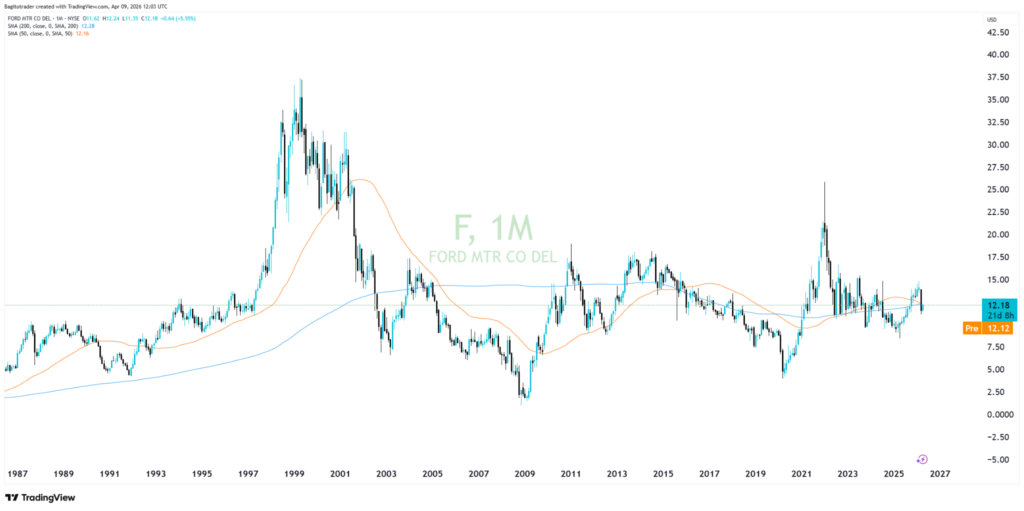
Navigating Supply Challenges and Market Impact
The ongoing supply challenges underscore the complex relationship between materials, production capacity, and pricing dynamics in the automotive sector. As manufacturers work to stabilize operations, market conditions are likely to remain tight and somewhat volatile in the near term.
If supply improves and costs begin to stabilize, production levels could recover, helping to ease pricing pressure. However, continued disruptions or elevated input costs may prolong current challenges.
Ultimately, the ability to balance cost management, supply chain resilience, and production efficiency will be essential in navigating this environment and supporting long-term growth.


