
The aviation industry is entering a more challenging phase as fuel prices rise and begin to weigh on profitability. Airlines, once focused on expansion, are now shifting their attention toward managing costs without losing momentum in demand.
The current environment reflects a broader shift in cost structures, particularly as jet fuel prices have surged faster than crude oil, placing pressure on margins and forcing airlines to rethink short-term growth while maintaining profitability.
With jet fuel outpacing crude oil in price increases, margins are getting squeezed. According to market analysts at Winseterra, success now depends less on rapid growth and more on how efficiently airlines can operate in a changing cost environment.
Capacity Growth Plans Begin To Slow
Airlines are beginning to scale back expansion plans as fuel expenses rise sharply. Instead of continuing aggressive growth, carriers are shifting toward a more controlled and stable approach.
This trend suggests that capacity is expected to remain relatively flat in the near term. While demand remains strong, elevated fuel costs are limiting how much airlines are willing to expand.
Reducing capacity growth can also support pricing. With fewer available seats, airlines may be able to maintain or increase fares, helping offset higher operating costs.
Strong Demand Continues Despite Rising Costs
Despite higher ticket prices and added fees, travel demand has remained resilient. Consumers continue to spend on travel, particularly for premium experiences and upgraded seating.
This trend has supported revenue growth, with increases seen in both overall sales and higher-margin segments. Premium ticket sales have shown notable strength, indicating that travelers are prioritizing comfort and experience over cost.
The continued demand suggests that, for now, price increases have not significantly reduced travel activity.
Financial Performance Shows Mixed Signals
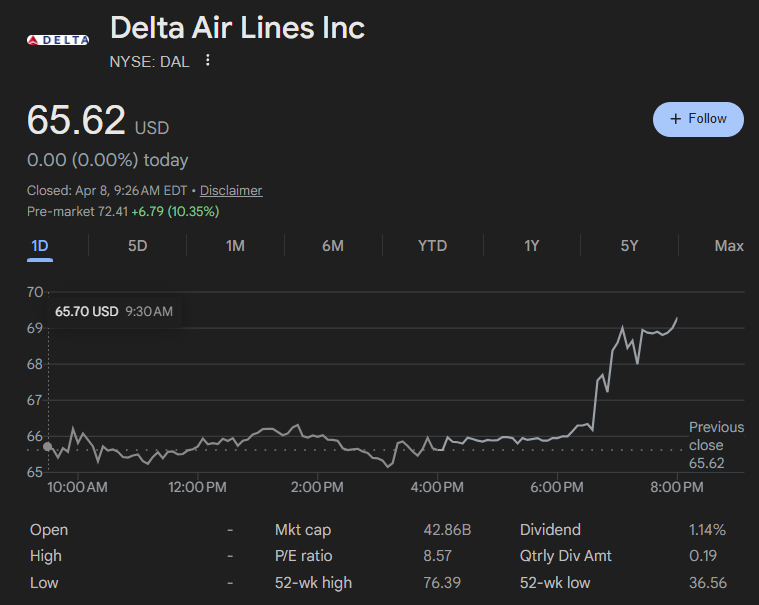
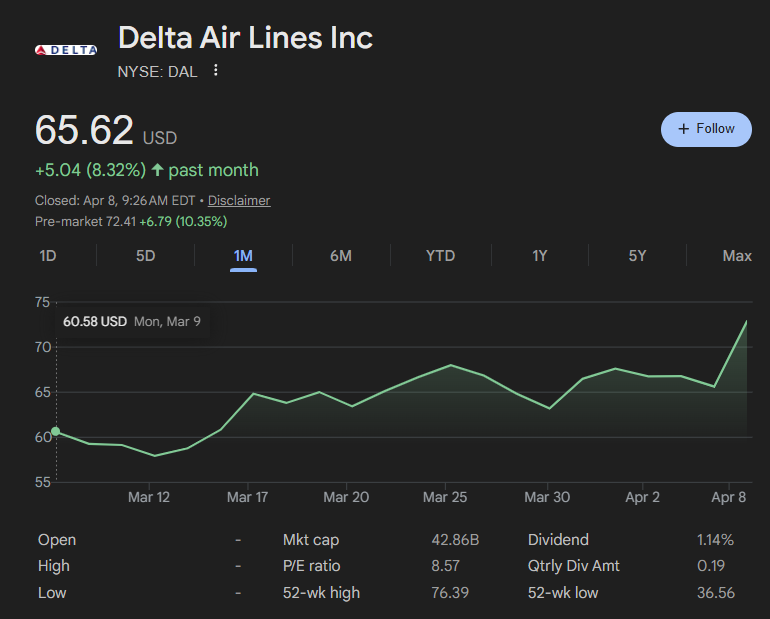
Recent earnings reports indicate that airlines are still performing relatively well, even in a challenging cost environment. Revenue growth has exceeded expectations in some cases, reaching around $14.2 billion, slightly above projections.
Adjusted earnings have also come in stronger than anticipated, with results such as 64 cents per share versus 57 cents expected. These figures highlight the ability of airlines to maintain profitability despite rising expenses.
However, fuel costs are having a significant impact. In some cases, expenses are expected to increase by as much as $2 billion in a single quarter, creating pressure on margins and future forecasts.
Refinery Operations Provide A Strategic Advantage
One factor helping offset rising fuel costs is the presence of internal refining capabilities. Airlines that operate their own refineries can partially shield themselves from market volatility by producing jet fuel directly.
This advantage is expected to deliver meaningful financial benefits, including a potential $300 million boost in the coming quarter. Such gains provide a valuable buffer against rising fuel prices.
In addition to jet fuel, refinery operations can produce gasoline and diesel, creating additional revenue streams and improving overall cost efficiency.
Fuel Prices Remain A Key Uncertainty
Fuel costs continue to be one of the most unpredictable factors affecting the aviation sector. Jet fuel prices have increased sharply, rising by nearly 88% over a short period, outpacing the rise in crude oil.
Airlines are now facing estimated fuel costs of around $4.30 per gallon, significantly higher than previous levels. This creates uncertainty in forecasting and makes long-term planning more complex.
As a result, some companies are choosing to hold their full-year forecasts steady, waiting for clearer signals before making adjustments.
Pricing Strategies And Industry Response
To manage rising costs, airlines have implemented pricing adjustments and additional fees. This includes higher ticket prices and increased charges for checked baggage.
These strategies are aimed at protecting margins while maintaining service levels. At the same time, reduced capacity can contribute to higher fares by limiting supply.
Globally, airlines are also introducing fuel surcharges and fare increases, particularly in regions that rely heavily on imported fuel.
What’s Ahead For The Aviation Sector
The near-term outlook will depend largely on how fuel prices evolve and how long current cost pressures persist. While demand remains strong, sustained increases in fuel costs could eventually impact consumer behavior.
Strategic adjustments such as controlled capacity growth and improved efficiency are helping airlines navigate the current environment.
The next quarter will be critical, as companies assess whether current trends continue or begin to shift.
Conclusion
The aviation industry is entering a period defined by strong demand but rising cost pressures. Airlines are adjusting strategies to balance growth with financial stability, focusing on efficiency and pricing.
While refinery advantages and resilient demand provide support, fuel costs remain the key variable that will influence performance in the months ahead. Careful planning and operational flexibility will be essential as airlines navigate an evolving and uncertain landscape.


