
An unexpected link between cryptocurrency and energy logistics is starting to take shape in global markets. Reports of a proposal involving digital asset payments for oil transit routes have caught the attention of investors, signaling a potential shift in how energy transactions are structured. This development is drawing interest from both financial markets and the broader trading community, as participants assess its implications for cross-border payments and market dynamics.
The proposal centers on the possibility of charging transit fees for oil shipments passing through a critical global shipping route, with payments to be made in cryptocurrency. A crypto analyst at Winseterra notes that this development signals a potential expansion of crypto use cases into real-world commodity transactions, a move that could reshape how cross-border payments are handled.
In response to the news, cryptocurrency markets reacted quickly, with major digital assets posting notable gains as investors interpreted the development as a bullish signal for broader crypto adoption.
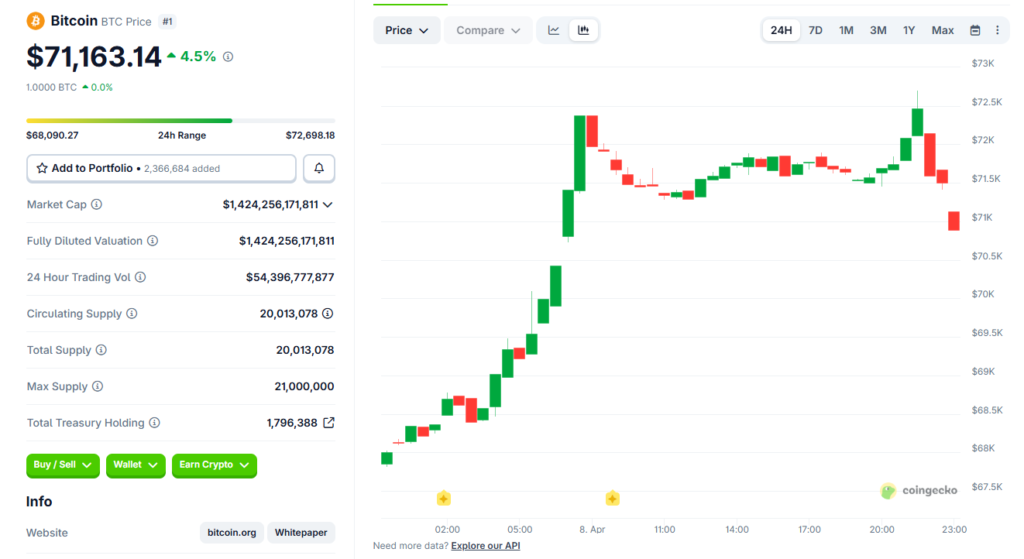
Crypto Markets React With Strong Gains
Leading cryptocurrencies recorded sharp increases shortly after the announcement. Bitcoin rose by approximately 5%, trading above $71,700, while briefly reaching levels near $72,700 earlier in the session.
Other major assets also saw strong movement. Solana advanced by around 7%, while Ethereum climbed close to 8%, reflecting widespread momentum across the digital asset market.
These gains highlight how sensitive crypto markets are to developments that suggest new real-world utility and adoption pathways. Even speculative integration into global trade systems can significantly influence pricing.
Proposed Fee Structure Introduces New Payment Model
The proposal involves charging approximately $1 per barrel of oil for vessels passing through a key maritime route. Given that oil tankers can carry between 500,000 and 2 million barrels, the total fees per shipment could be substantial.
Under this structure, ship operators would be required to provide cargo details in advance, after which a fee would be assigned for safe passage. Reports suggest that vessels without cargo may be exempt from these charges.
The introduction of cryptocurrency as a payment option represents a significant departure from traditional settlement systems, which typically rely on fiat currencies and established banking channels.
Potential Impact On Global Trade And Payments
If implemented, this approach could mark a shift toward alternative payment systems in global trade, particularly in regions affected by financial restrictions or operational constraints.
Cryptocurrency offers advantages such as faster transaction speeds, reduced reliance on intermediaries, and increased flexibility in cross-border payments. These features make it an appealing option in scenarios where traditional systems face limitations.
At the same time, the proposal raises questions about regulation, transparency, and adoption barriers, as global trade infrastructure is still largely built around conventional financial systems.
Market Volatility Reflects Speculative Momentum
The rapid rise in cryptocurrency prices following the news reflects a combination of speculation and forward-looking expectations. Investors often react quickly to developments that could expand the role of digital assets beyond trading and investment.
However, price movements also showed some moderation after initial gains, indicating that markets remain cautious about the practical implementation and long-term viability of such proposals.
This pattern is common in crypto markets, where sentiment can shift quickly based on new information and evolving narratives.
Security And Operational Risks Remain Key Factors
The broader context surrounding the proposal includes ongoing concerns about security and safe passage in key shipping routes. Recent disruptions and threats to vessels have already impacted global supply chains and increased operational risks.
Introducing a structured payment system tied to safe passage could provide a level of organization, but it also introduces new complexities. Shipping companies must consider cost implications, compliance requirements, and operational risks.
These factors will play a significant role in determining whether such a system can be realistically adopted.
Future Outlook For Crypto In Global Trade
The integration of cryptocurrency into global trade processes remains in its early stages, but developments like this highlight its growing relevance beyond financial markets.
As digital assets continue to evolve, their role in areas such as commodity trading, logistics, and international payments may expand. However, widespread adoption will depend on regulatory clarity, infrastructure development, and market acceptance.
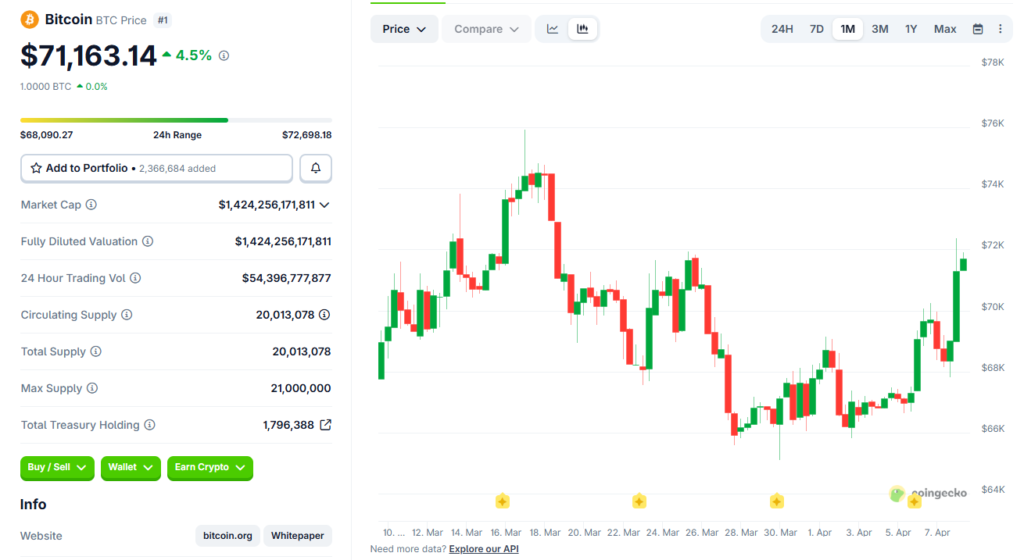
What It Means for Markets and Beyond
The recent surge in cryptocurrency prices underscores the strong connection between innovation, market sentiment, and real-world application potential. Even early-stage proposals can influence investor behavior and drive significant price movements.
If digital assets begin to play a larger role in global trade, this could lead to greater integration between traditional finance and decentralized systems. Such a shift would represent a major transformation in how value is transferred across borders.
At the same time, uncertainty remains high. The success of such initiatives will depend on practical execution, global coordination, and sustained demand. Market participants will continue to monitor developments closely as the situation evolves.


