
Capital allocation across the technology sector is evolving as artificial intelligence continues to reshape investment priorities. Beyond transforming products and services, AI is opening the door to new large-scale opportunities, particularly in startup funding. This rapid expansion of AI is not only transforming products and services but also creating new large-scale opportunities for startup funding.
This shift reflects a broader trend where innovation cycles are accelerating, and capital is being directed toward companies that can scale quickly within the AI ecosystem. Finance experts from Winseterra note that the current environment is driving larger investment sizes, faster deal execution, and more direct funding strategies as competition intensifies.
As a result, major technology firms are moving beyond traditional venture models, increasingly allocating significant capital directly from their balance sheets to capture long-term growth and strategic positioning.
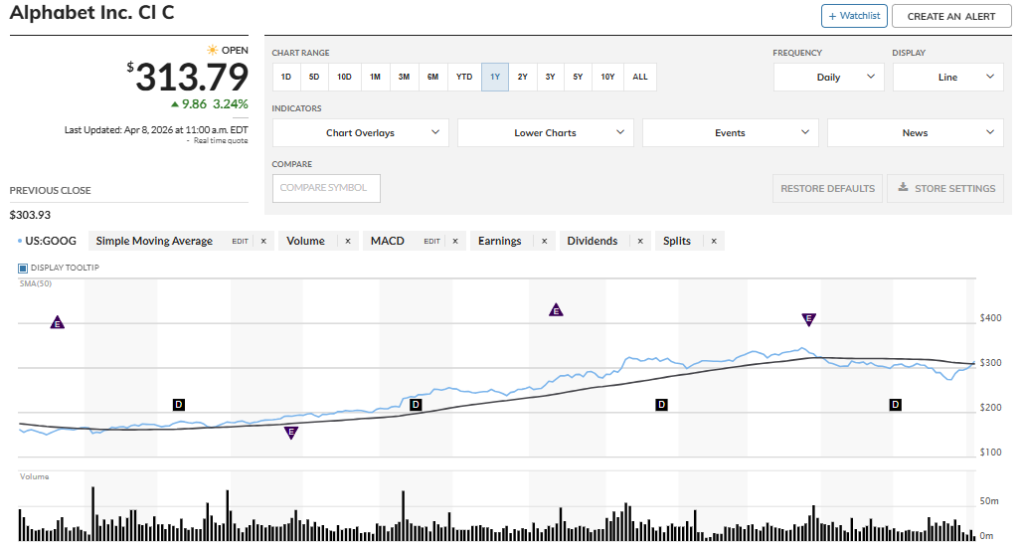
AI Boom Drives Larger Capital Deployment
The rise of artificial intelligence has created a new wave of investment opportunities, particularly in companies developing advanced AI models, infrastructure, and computing systems. Unlike previous technology cycles, many AI startups now require hundreds of millions or even billions in funding to support rapid scaling.
This has encouraged large corporations to take a more active role, enabling them to invest earlier, deeper, and with greater strategic intent. The focus is not only on financial returns but also on securing a strong position within the evolving AI ecosystem.
As AI adoption accelerates globally, the demand for capital is expected to continue rising significantly, reinforcing this trend.
Past Investments Highlight Long Term Value Creation
Earlier investments in high-growth technology companies demonstrate the scale of potential returns. A notable early investment made at a valuation of around $12 billion has grown dramatically, with the company now valued at approximately $1.25 trillion.
This type of growth highlights how early positioning in transformational technologies can generate exceptional long-term value. It also reinforces the importance of identifying opportunities during the early stages of innovation cycles.
Such outcomes are influencing how companies approach current AI investments, encouraging a more aggressive yet strategic capital allocation approach.
Strategic Partnerships Shape The AI Landscape
In addition to direct investments, strategic partnerships are playing a critical role in advancing AI technologies. Some companies operate as both competitors and collaborators, working together in areas such as cloud infrastructure, specialized hardware, and AI model development.
These partnerships allow organizations to share resources, scale faster, and reduce development risks. Collaboration around high-performance computing systems and proprietary processors is becoming increasingly common.
This interconnected approach is helping to accelerate innovation while building complex, interdependent AI ecosystems.
Growing Focus On Return And Capital Efficiency
As investment sizes increase, there is a stronger emphasis on return on invested capital and efficient deployment of funds. Companies are carefully evaluating where to allocate capital to achieve maximum long-term value.
The goal is not only to invest aggressively but also to ensure that investments align with broader strategic priorities and measurable outcomes. This includes balancing risk, scalability, and profitability potential.
A disciplined approach to capital allocation is becoming increasingly important as competition for high-quality AI opportunities intensifies.
Expanding Investment Beyond Traditional Channels
The scale of AI funding has led to a shift away from traditional venture capital structures. Large organizations are increasingly investing directly, allowing for greater flexibility, faster execution, and larger ownership stakes.
This approach enables companies to participate in multi-billion-dollar funding rounds while integrating investments more closely with their own operations and long-term strategies.
As a result, the boundary between corporate investment and venture capital continues to blur.
Broader Impact Across Technology Sectors
The influence of AI-driven investment is expanding beyond core technology companies. Industries such as financial services, transportation, automation, and enterprise software are benefiting from increased funding and innovation.
With access to advanced AI capabilities, organizations can improve efficiency, enhance decision-making, and develop new revenue streams. This creates a ripple effect that supports broader economic growth and digital transformation.
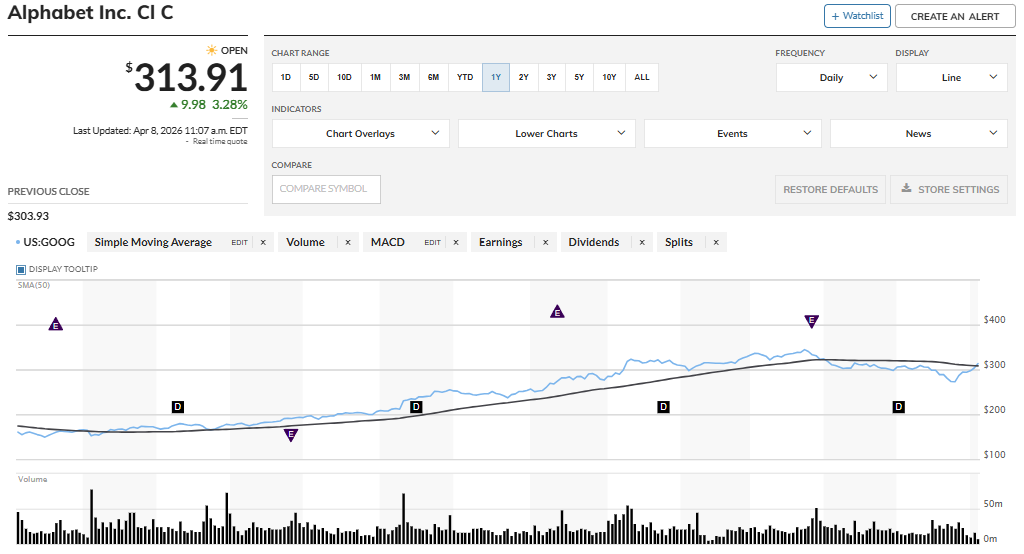
Artificial Intelligence Investment Landscape and Market Trends
The current wave of AI investment is still in its early expansion phase, with significant growth potential ahead. As technologies mature and adoption increases, capital deployment is expected to scale even further across global markets.
This shift reflects a broader movement toward full-scale integration of AI across industries, where infrastructure, applications, and data systems are closely connected. Companies that can successfully combine innovation, capital discipline, and strategic execution will be best positioned to lead.
At the same time, maintaining flexibility will be essential. Market conditions, competition, and technological breakthroughs can quickly reshape the landscape, making adaptability a critical advantage.
Overall, the evolution of AI investment is redefining how value is created in the technology sector. Organizations that can balance aggressive investment with efficient execution will play a central role in shaping the next phase of global innovation.


