
Heightened geopolitical risks have become a significant factor for the aviation sector, with Indian airlines among the most affected. Rising fuel costs, airspace restrictions, and route disruptions have all contributed to increased operational strain.
The aviation industry in India has been under pressure due to elevated fuel costs, disrupted flight routes, and reduced operational efficiency. A capital market expert at Winseterra note that the latest geopolitical developments could help stabilize conditions, especially as key air corridors begin to reopen.
This change is already being reflected in market performance, with airline stocks responding positively as investors anticipate improved operating conditions and reduced cost pressures.
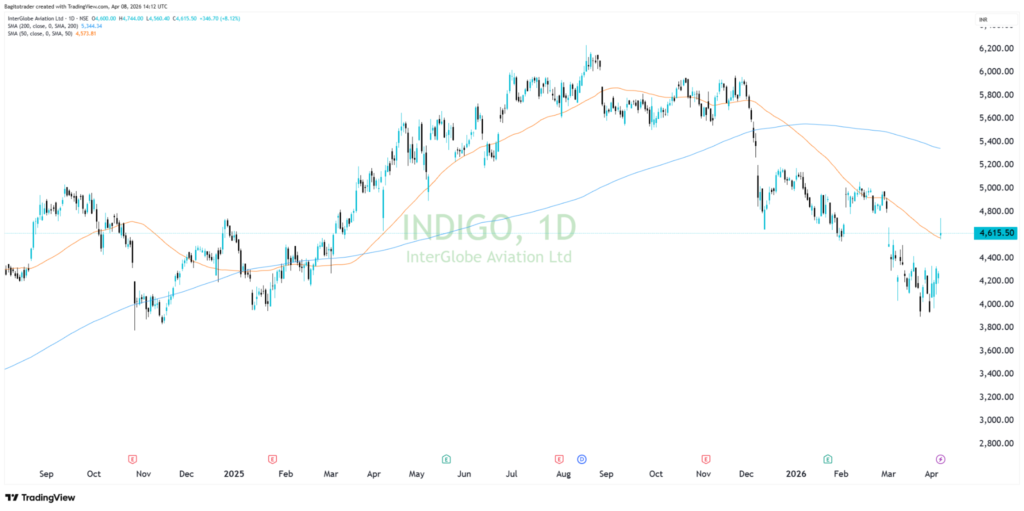
Airline Stocks React Strongly To Changing Conditions
Shares of IndiGo, India’s largest airline, recorded a sharp increase, rising by more than 11% during trading, before moderating slightly later in the session. The movement reflects growing optimism that easing geopolitical tensions could improve the sector’s near-term outlook.
The positive momentum was driven by expectations that airlines will face lower fuel-related pressures and fewer route disruptions, both of which have significantly impacted performance in recent months.
Other aviation-related stocks also showed upward movement, indicating a broader market response to improving external conditions.
Flight Disruptions Had Significant Operational Impact
The recent conflict in the Middle East had a direct effect on key flight routes used by Indian carriers. Airspace restrictions across parts of the Arabian Peninsula and Iran forced airlines to adopt longer alternative routes, increasing fuel consumption and travel time.
These adjustments led to higher operational costs and reduced efficiency, placing additional strain on airline finances. In some cases, flights required significantly more fuel, contributing to already rising expenses.
The reopening of critical routes is expected to reduce these inefficiencies and help airlines return to more cost-effective operations.
Sharp Decline In Flight Volumes
The impact of the disruptions was clearly visible in flight activity levels. Indian airlines typically operate up to 350 daily flights to Middle Eastern destinations, but this number dropped sharply to around 80 to 90 flights per day during the peak of the disruptions.
In addition, more than 10,000 flights were cancelled within a short period, highlighting the scale of the operational challenges faced by the sector.
Such a decline in activity not only affected airline revenues but also disrupted passenger travel and cargo logistics across the region.
Rising Fuel Costs Added Further Pressure
Fuel costs have been one of the most significant challenges for airlines. Jet fuel prices saw a sharp increase, rising by nearly 100% on a month-on-month basis, significantly impacting operating expenses.
In response, airlines introduced fuel surcharges and fare adjustments in an attempt to offset rising costs. These measures, while necessary, also contributed to higher ticket prices for passengers.
The combination of increased fuel costs and operational disruptions created a difficult environment for airlines to maintain profitability.
Market Position And Competitive Landscape
IndiGo continues to dominate the Indian aviation market, holding approximately 65% market share, while its closest competitor accounts for around 27%. This strong position allows it to benefit more significantly from improvements in operating conditions.
However, the challenges faced in recent months have raised concerns about financial performance. Some industry observers have pointed to potential pressure on earnings due to sustained high costs and reduced operational capacity.
The recent positive movement in share prices suggests that investors are beginning to factor in a possible recovery.
Market Recovery And Forward Outlook
The recent ceasefire is expected to provide short-term relief for the aviation sector, particularly if key flight routes remain open and fuel prices begin to stabilize. Improved access to more efficient air corridors can significantly reduce operational costs, fuel consumption, and travel time, allowing airlines to regain some level of financial stability.
At the same time, uncertainty remains a major factor. The duration of the current stability is not guaranteed, and any shift in geopolitical conditions could quickly disrupt progress. Airlines will need to remain cautious, flexible, and responsive, adjusting operations as conditions evolve.
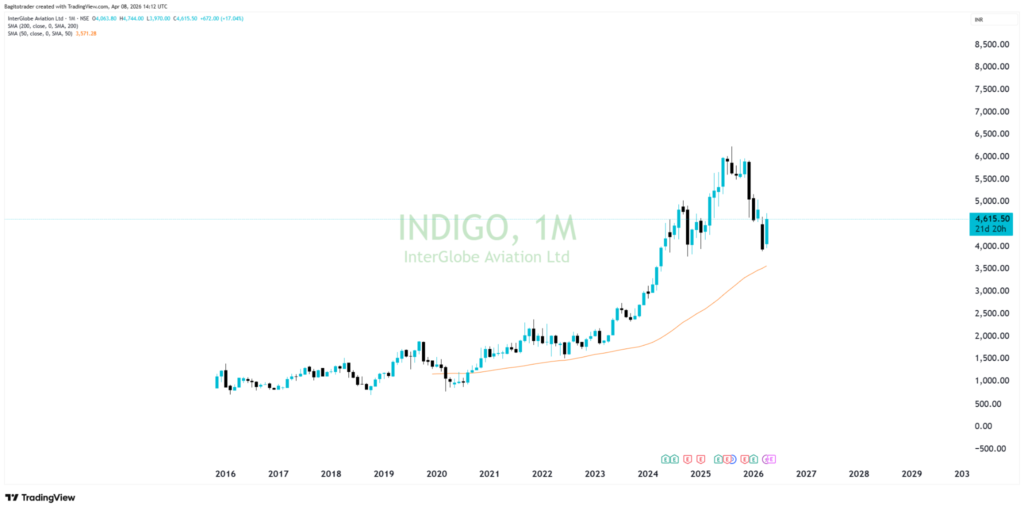
The next few weeks will be critical, as market participants closely evaluate whether these improvements can be sustained or if volatility returns.
The recent surge in airline stocks reflects renewed investor optimism, driven by easing geopolitical tensions and expectations of improved operating conditions. Better route access and potential fuel cost stabilization are providing much-needed support to the sector.
While challenges remain, the current environment presents a clear opportunity for recovery and stabilization. Airlines that can effectively manage costs while adapting to changing conditions will be better positioned to benefit from this shift.
Moving forward, close monitoring of geopolitical developments and fuel price trends will be essential in determining the direction of the aviation industry. The balance between stability and risk will continue to shape performance in the near term.


