
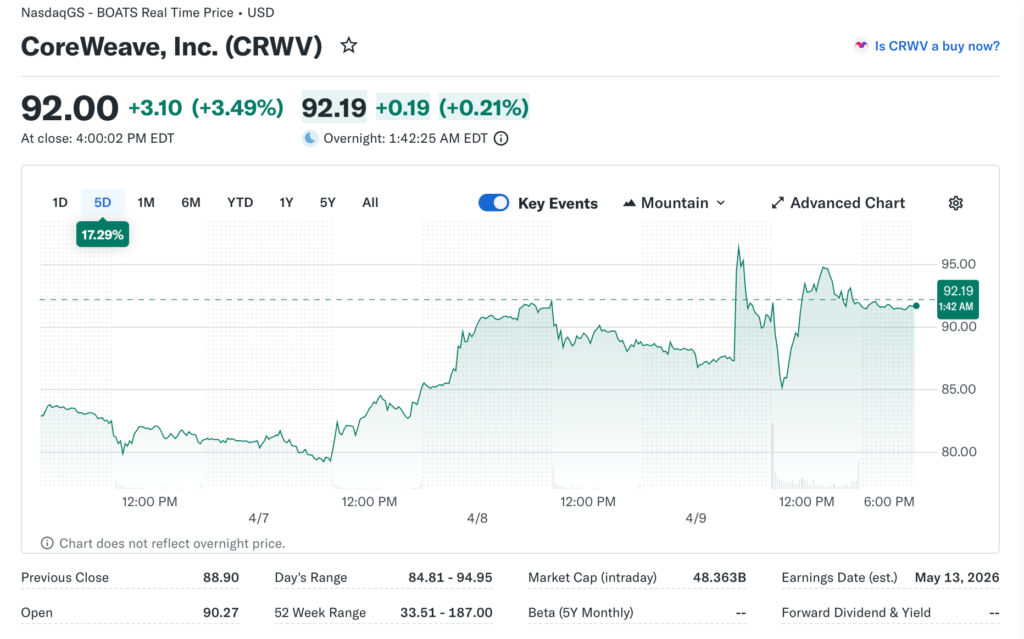
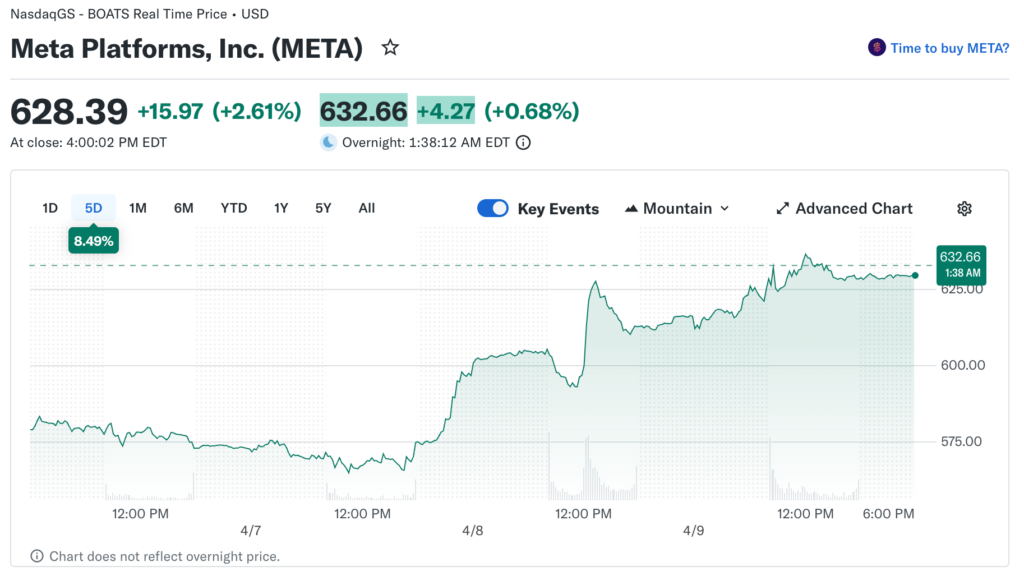
Artificial intelligence infrastructure spending accelerated dramatically as Meta Platforms expanded its partnership with CoreWeave. The $21 billion agreement running through 2032 secured massive GPU clusters essential for training models. This represented one of the largest cloud computing deals ever signed between technology companies.
Building on a prior multibillion-dollar contract between parties, the expansion demonstrated confidence in AI monetization potential. Lead brokers at Byronixel discuss how demand for GPUs exceeds available capacity across the industry. Specialized cloud providers called neoclouds emerged to fill gaps that traditional hyperscalers couldn’t address quickly.
The Supply Crunch
NVIDIA’s dominance in AI chips created a bottleneck as every major technology company competed for allocation. Production constraints limited how many cutting-edge GPUs reached the market each quarter. The scarcity drove pricing power and created a strategic advantage for companies securing supply commitments.
CoreWeave built infrastructure around Nvidia chips, gaining expertise in AI workload optimization. The specialized focus enabled higher performance and efficiency versus general-purpose cloud platforms. Customers valued this differentiation despite potentially higher costs versus traditional providers.
The Strategic Rationale
Meta’s commitment through 2032 provided the visibility CoreWeave needed for capacity planning and financing. Long-term contracts enabled infrastructure buildouts requiring significant upfront capital investment. The partnership represented a symbiotic relationship where both parties reduced respective risks through collaboration.
Training large language models required thousands of GPUs connected via high-speed networking. CoreWeave’s experience deploying these configurations at scale proved valuable for Meta’s needs. The technical complexity justified premium pricing versus commodity cloud computing services.
The Competitive Dynamics
Microsoft, Google, and Amazon all maintain in-house AI infrastructure, reducing reliance on external providers. Meta’s fabless strategy outsourced hardware operations, focusing resources on model development. This division of labor reflected different strategic philosophies about vertical integration.
Custom chip development by hyperscalers threatened Nvidia’s dominance but required years of investment. Google’s TPUs and Amazon’s Trainium chips provided alternatives for internal workloads. However, third-party developers still preferred the Nvidia ecosystem due to software maturity and ubiquity.
The Economics
CoreWeave charged premium rates reflecting a tight supply-demand balance for AI computing capacity. Customers accepted higher prices because alternatives involved multi-year waits for equipment delivery. The market-clearing price reflected true scarcity rather than artificial constraints.
Operating leverage improved for CoreWeave as utilization increased across the installed base. Fixed costs of data center facilities and networking equipment are spread across more billable hours. The unit economics became increasingly attractive as scale economies materialized.
The Technology Evolution
Next-generation Nvidia Blackwell GPUs promised significant performance improvements over the current generation. However, production delays pushed mass availability into the later part of 2026, frustrating customers. The transition periods between chip generations created planning challenges for infrastructure providers.
High Bandwidth Memory supply constraints limited GPU production, independent of chip availability. HBM manufacturers struggled to scale capacity fast enough to meet explosive demand growth. This secondary bottleneck compounded supply challenges across the semiconductor ecosystem.
The Financial Implications
Meta’s total AI infrastructure spending is expected to exceed $100 billion in 2026 alone. This extraordinary capital allocation required board approval and shareholder support. Investors demanded a clear roadmap showing how investments translated into revenue growth.
Depreciation expenses from hardware purchases would pressure reported earnings for years. The accounting treatment of massive capital expenditures created timing mismatches between spending and benefits. Wall Street analysts adjusted financial models to separate growth investments from operational performance.
The Competitive Positioning
Securing supply through long-term contracts provided certainty that competitors lacked without similar commitments. The strategic advantage allowed Meta to train models on schedules independent of spot market availability. This predictability enabled ambitious product roadmaps impossible without guaranteed resources.
Smaller AI startups faced existential challenges accessing sufficient computing capacity for research. The concentration of resources among well-funded giants created barriers to entry. This market structure favored incumbents with deep pockets over scrappy newcomers.
The Neocloud Emergence
CoreWeave, Lambda Labs, and Together AI specialize in AI workloads versus general-purpose computing. The focused approach allowed optimization around specific use cases like model training. Customers valued this specialization despite potentially less flexibility than hyperscaler offerings.
Traditional cloud providers responded by enhancing AI capabilities and expanding GPU availability. AWS, Azure, and GCP all launched AI-specific instance types and services. The competitive pressure benefited customers through improved offerings and pricing.
The Energy Considerations
Massive GPU clusters consumed extraordinary amounts of electricity, creating operational challenges. Data center locations needed proximity to power generation and cooling water sources. The infrastructure requirements limited viable locations for large-scale AI facilities.
Renewable energy sourcing became a priority for companies managing environmental impact concerns. Solar and wind power agreements offset fossil fuel consumption from operations. The sustainability considerations influenced site selection and partnership decisions.
The Market Signal
The massive deal signaled Meta’s conviction about AI’s transformative potential despite uncertain returns. Competitors interpreted commitment as validation of an infrastructure-heavy approach to AI development. The industry-wide spending spree reflected FOMO dynamics as much as rational investment.
The stock market rewarded companies demonstrating aggressive AI strategies regardless of profitability timelines. Investors valued optionality and positioning over near-term earnings in growth sectors. This dynamic encouraged continued spending potentially beyond economically justified levels.


