
Market volatility collapsed during the seven-day winning streak as the fear gauge plunged from crisis highs. The dramatic compression in implied volatility benefited option sellers and structured product strategies significantly. Realized volatility declined simultaneously as daily price swings moderated from March extremes.
Junior financial experts at Byronixel point out how the CBOE Volatility Index measuring 30-day implied volatility, serves as a widely watched fear barometer. Readings above 20 indicate elevated uncertainty, while levels below 15 suggest complacency among market participants. The recent journey from 30+ to sub-15 represented one of the fastest volatility collapses on record.
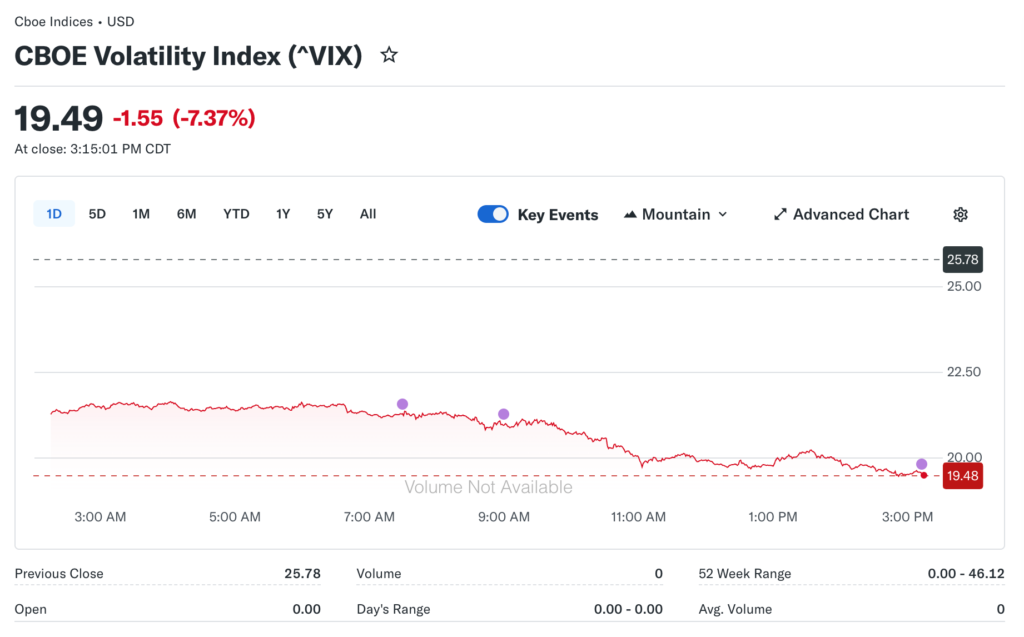
The VIX Mechanics
Options pricing embedded in the VIX calculation reflected traders’ expectations for future market turbulence. Higher premiums during a crisis meant expensive downside protection for portfolio hedging. The premium collapse created losses for hedgers but profits for premium sellers.
Contango structure in the VIX futures curve steepened as near-term volatility declined faster than longer-dated contracts. This shaped term structure benefited short volatility strategies popular with hedge funds. The carry trade of selling expensive near-term vol against cheaper deferred contracts generated returns.
The Realized Volatility Decline
Actual price movements calmed substantially as markets digested ceasefire developments and economic data releases. Standard deviation of daily returns compressed to levels typical of calm bull markets. The disconnect between realized and implied volatility provided opportunities for traders.
Intraday ranges narrowed as algorithmic trading patterns normalized from crisis disruption. High-frequency strategies that withdrew during crisis turbulence returned to provide liquidity. The improved market quality reduced execution costs and slippage for institutional orders.
The Options Market Impact
Put options purchased as downside protection during a crisis lost value rapidly through time decay. Hedgers who maintained protection through the rally faced a difficult decision about whether to hold. The losses on hedges partially offset equity gains, reducing overall portfolio performance.
Call options benefited from both upward price movement and positive gamma exposure, amplifying gains. Buyers of upside calls during trough enjoyed explosive returns from leverage. The leverage embedded in options magnified directional moves in favorable scenarios.
The Volatility Arbitrage
Dispersion trading involving selling index volatility while buying single-stock volatility generated profits when correlations declined. The crisis drove stocks to move in lockstep, but normalization reduced correlation. This spread widened, creating an opportunity for sophisticated traders.
Variance swaps, allowing pure volatility exposure without directional bias, performed well for sellers during compression. The instruments traded realized volatility directly without stock price exposure. Sophisticated hedge funds employed these tools for volatility views separate from market direction.
The Structured Products
Auto-callables and barrier notes benefited from declining volatility and rising equity prices simultaneously. These products paid coupons provided markets stayed within defined ranges throughout observation periods. The stable environment maximized returns for structured note holders investing capital.
Buffer products providing downside protection up to a threshold participate in upside beyond certain levels. Lower volatility improved the economics of the buffer structure for issuers and investors. Issuers could offer better participation rates when implied vol is compressed.
The Dealer Hedging
Market makers adjusting hedges as volatility collapsed created mechanical buying pressure supporting the equity rally. Reduced gamma exposure meant less dynamic hedging required for risk management. The unwinding of short stock hedges contributed to rally momentum.
Correlation books at banks managing multi-asset derivatives benefited from normalized relationships returning. Crisis dislocations in typical correlations created mark-to-market pain for structured books. Return to normal patterns allowed profits on mean reversion trades.
The Volatility Regime Change
The transition from a high to a low volatility environment happened rapidly rather than gradually over time. Markets typically move between regimes in jumps rather than smooth progressions. Traders who missed timing faced whipsaw losses from rapid regime shifts.
Mean reversion in volatility suggested current low levels are unlikely to persist indefinitely based on history. Historical analysis showed VIX rarely stayed below 12 for extended periods. The question centered on the catalyst for the next volatility spike whenever it materialized.
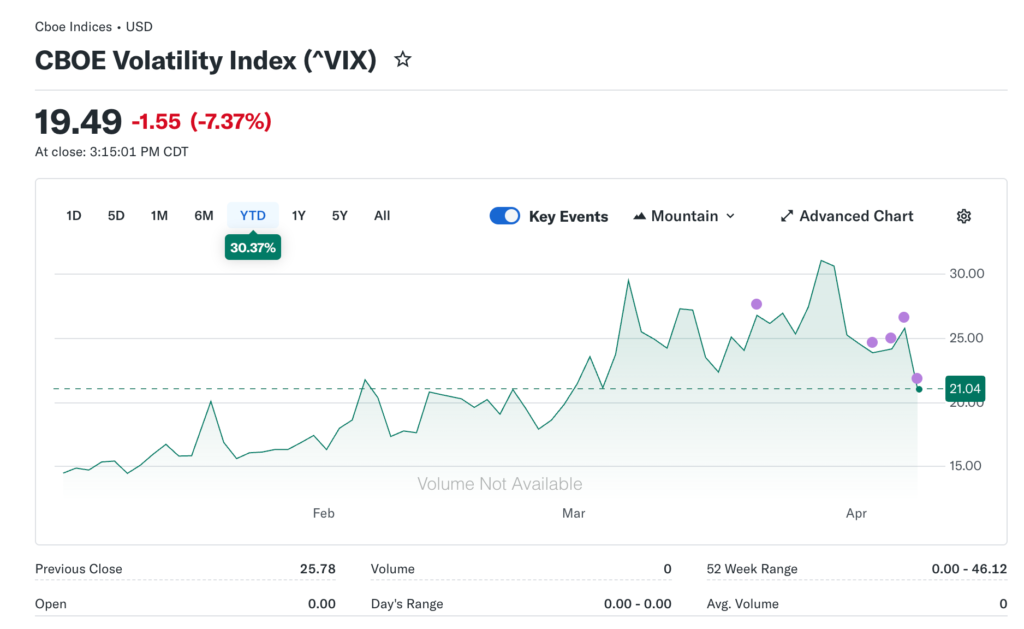
The Cross-Asset Volatility
Bond market volatility, measured by the MOVE index, also declined as Treasury yields stabilized. Fixed income derivatives pricing moderated alongside equity vol, showing synchronized behavior. The synchronized compression across asset classes reflected broad risk-on sentiment.
Currency volatility in FX options markets fell as the dollar stabilized following sharp moves. Carry trades that struggled during turbulence performed better in calm conditions. Emerging market currencies particularly benefited from a reduced volatility environment.
The Volatility Outlook
Upcoming catalysts, including weekend Pakistan talks and Friday CPI data, could reignite volatility quickly. Markets priced in favorable outcomes but retained vulnerability to disappointments. The calm environment reflected optimism, potentially proven misplaced.
Seasonal patterns suggested spring and summer typically showed lower volatility than fall months. Historical tendency favored current compression continuing through the coming months. But geopolitical wildcards overrode seasonal norms during exceptional periods like the current environment.


